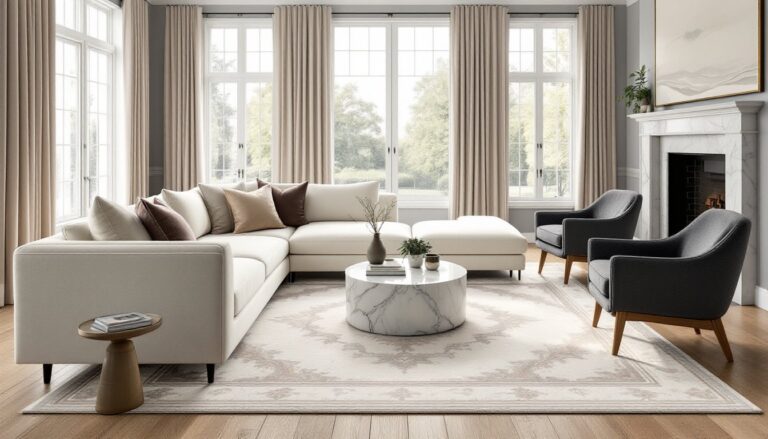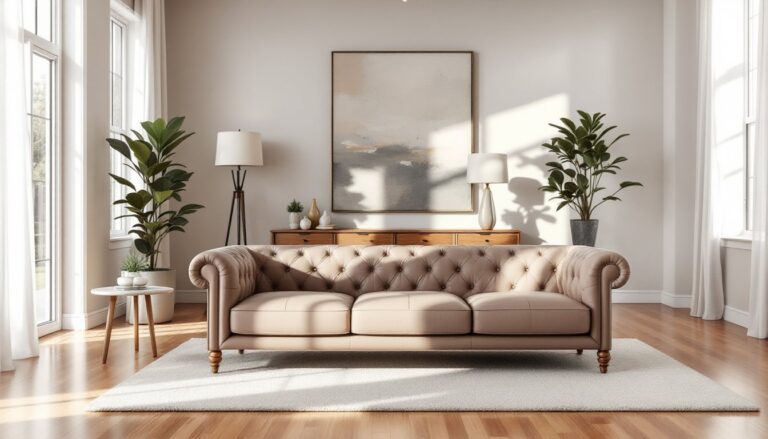
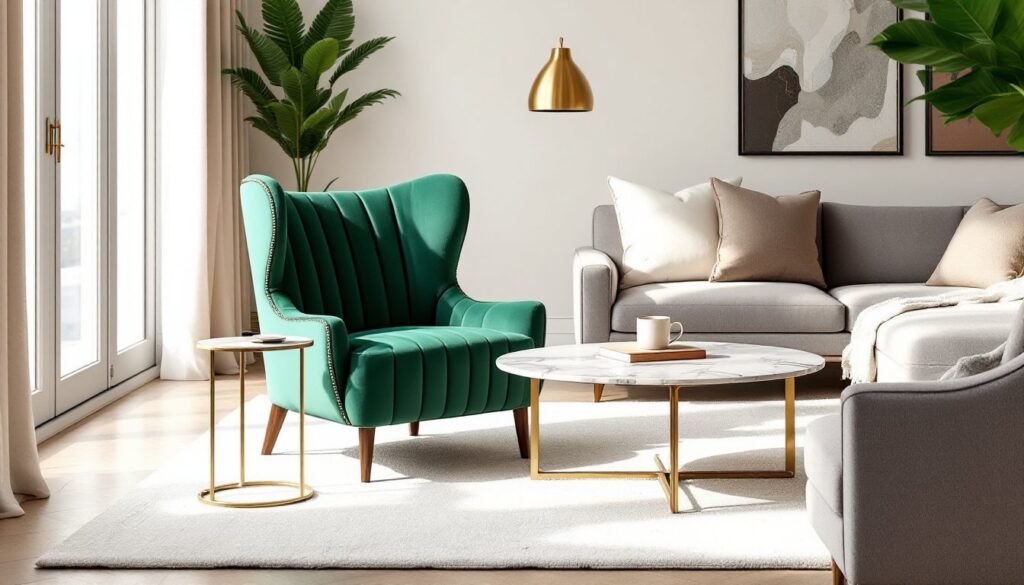
A single chair can redefine an entire room. The right luxury seating piece doesn’t just fill space, it anchors the room, sets the tone, and becomes the spot everyone fights over during movie night. Whether you’re furnishing a newly renovated living area or upgrading that tired hand-me-down recliner, understanding what separates luxury chairs from mass-market options helps you invest wisely. This guide breaks down styles, materials, and practical selection criteria so you can choose a chair that delivers both comfort and lasting value.
Table of Contents
ToggleKey Takeaways
- Luxury chairs for living room are defined by superior frame construction (kiln-dried hardwood with mortise-and-tenon joints), high-quality upholstery (top-grain leather or fabrics rated 50,000+ double rubs), and expert craftsmanship rather than price alone.
- Select from distinct styles—statement accent chairs, ergonomic lounge chairs with chaise or swivel options, and sculptural pieces—based on your room’s function and existing décor.
- Measure carefully before purchasing: account for footprint, seat height (17–21 inches), seat depth (20–24 inches), and arm height to ensure comfort and traffic flow.
- Invest in performance fabrics or full-grain leather with protective finishes if you have kids or pets; evaluate durability with Wyzenbeek ratings (30,000+ for high-traffic areas) and meaningful warranties of 10+ years.
- Layer textures and define zones by pairing luxury chairs with complementary lighting, scaled side tables, and coordinating rugs to create a cohesive living room design.
- Test chairs in-person for at least five minutes, confirm generous return policies, and maintain investment with professional cleaning every 12–18 months to preserve appearance and extend lifespan.
What Defines a Luxury Living Room Chair?
Luxury isn’t just a price tag, it’s a combination of superior materials, expert craftsmanship, and timeless design. A luxury chair typically features hardwood frames (often kiln-dried oak, walnut, or ash) rather than particleboard or softwood. Joinery methods matter: look for mortise-and-tenon joints, corner blocks, and double-doweled construction instead of staples or glue alone.
Upholstery sets luxury pieces apart. Top-tier chairs use top-grain or full-grain leather, performance fabrics rated for 50,000+ double rubs (Wyzenbeek testing), or natural linens and velvets with tight, even weaves. Cushion cores often combine high-density foam (2.0+ lb density) with down wrapping or Dacron batting for shape retention and comfort that lasts years, not months.
Attention to detail also defines luxury. Hand-tied eight-way coil springs provide superior support compared to sinuous (zigzag) springs. Visible elements, nailhead trim, welt cording, turned legs, are applied with precision. Many luxury manufacturers offer customizable finishes and fabrics, a service rarely available with off-the-shelf options.
Finally, luxury chairs often carry warranties of 10 years or more on frames and springs, reflecting confidence in durability. If a chair doesn’t come with detailed construction specs or a meaningful warranty, it’s probably trading on aesthetics alone.
Top Luxury Chair Styles to Transform Your Living Room
Accent Chairs That Make a Statement
Accent chairs serve as visual anchors and conversation starters. Classic silhouettes include the wingback chair (recognizable by its tall back and side “wings” originally designed to block drafts), the barrel chair (rounded back that wraps around the sitter), and the slipper chair (armless, low-profile seating ideal for tight spaces).
For bold interiors, consider a channel-tufted chair in jewel-toned velvet, emerald, sapphire, or deep burgundy. The vertical channels create shadow lines that add dimension. In more traditional spaces, a modern luxury home often features leather club chairs with brass nailhead trim or turned mahogany legs.
Mid-century modern styles remain popular in 2026. The Eames lounge chair silhouette, molded plywood shell with leather cushions, fits seamlessly into contemporary settings. Scandinavian-inspired designs emphasize clean lines, tapered legs (often in oiled oak or teak), and neutral upholstery in wool or linen blends.
Don’t overlook sculptural accent chairs that blur the line between furniture and art. Organic shapes, asymmetrical backs, and mixed materials (like a walnut frame with bouclé upholstery) make powerful statements without overwhelming a room.
Lounge Chairs for Ultimate Comfort
Lounge chairs prioritize ergonomics and relaxation. The defining feature: a reclined seat angle (typically 100–110 degrees) and generous proportions. Unlike accent chairs, which emphasize aesthetics, lounge chairs are built for extended sitting, reading, napping, or binge-watching.
The chaise lounge offers full-body support with an elongated seat that accommodates legs. Modern interpretations use channeled memory foam or spring-down cushioning for adaptive comfort. Look for models with adjustable headrests or reclining mechanisms if flexibility matters.
Swivel lounge chairs combine movement with comfort. A concealed ball-bearing swivel base (preferably metal, not plastic) allows 360-degree rotation. Pair this with deep seat depth (24–26 inches) and lumbar-supportive cushioning, and you’ve got a chair equally suited to conversation and solo relaxation.
For traditional tastes, the Chesterfield chair, deeply button-tufted leather, rolled arms, low back, delivers old-world elegance. Modern Chesterfields often scale down proportions and offer fabric options beyond leather.
Consider a rocking lounge chair if you want soothing motion without mechanical parts. High-end versions use laminated bentwood rockers that glide smoothly on hardwood or low-pile rugs. Add a matching ottoman with a removable tray top, and you’ve created a dedicated relaxation zone.
How to Choose the Perfect Luxury Chair for Your Space
Start with measurements. This isn’t negotiable. Measure the footprint where the chair will sit, width, depth, and clearance for traffic flow. A luxury chair is useless if it blocks a doorway or forces guests to sidestep around it. Standard accent chairs range from 28–36 inches wide: lounge chairs often hit 32–40 inches. Don’t forget arm height: if the chair tucks under a side table, measure from floor to table underside.
Seat height and depth determine comfort. Standard seat height is 17–19 inches, but taller individuals may prefer 19–21 inches for easier standing. Seat depth (front edge to back) typically runs 20–24 inches. Deeper seats suit lounging: shallower seats work better for upright conversation.
Assess your room’s function. A formal living room that hosts guests benefits from paired accent chairs flanking a fireplace or opposite a sofa. A media room or reading nook calls for a lounge chair with a supportive headrest and ottoman. Open-plan spaces often use a luxury modern mansion approach, statement chairs that define zones without walls.
Match, or intentionally contrast, existing furniture. A cohesive look repeats materials or silhouettes: if your sofa has track arms and chrome legs, choose chairs with similar modern details. For eclectic interiors, contrast works: pair a sleek leather sofa with a plush velvet chair in a complementary color.
Test before you buy. Even luxury brands vary in comfort. Sit for at least five minutes. Check armrest height (elbows should rest naturally), back support (lumbar curve should align with your lower back), and seat firmness. If ordering online, confirm the return policy covers shipping both ways.
Factor in durability. Homes with kids or pets need performance fabrics (Crypton, Sunbrella, or similar) that resist stains and moisture. Leather develops a patina over time, some love it, others don’t. If you’re particular about pristine appearance, choose aniline-dyed leather treated with a protective finish or opt for high-performance polyester blends that mimic natural fibers.
Materials and Craftsmanship: What to Look For
Frame construction is the skeleton. Flip the chair over (or ask for specs). Look for kiln-dried hardwood, oak, maple, ash, or beech. Kiln drying reduces moisture content to 6–8%, minimizing warping and cracking. Avoid frames described only as “hardwood” without species: it’s often mixed or lower-grade lumber.
Joint quality determines longevity. Mortise-and-tenon joints (a projection fits into a matching cavity) secured with wood glue and dowels are gold standard. Double-doweled joints offer additional reinforcement at stress points (where arms meet the seat frame, for example). Corner blocks, triangular braces glued and screwed into corners, add rigidity. Stapled or nailed joints will loosen over time.
Spring systems dictate support. Eight-way hand-tied springs, coils individually tied with twine in eight directions, provide even weight distribution and superior durability. Upholstered chairs showcasing this method often highlight it in product descriptions because it’s labor-intensive. Sinuous (zigzag) springs cost less and work fine for lighter use, but they sag faster under heavy or frequent use.
Cushion fill affects both comfort and shape retention. High-density polyurethane foam (2.0+ lb/ft³) resists compression. Luxury chairs often layer foam densities: firmer foam at the core, softer foam at the surface, wrapped in Dacron or down for a plush feel. Pure down cushions feel luxurious but require frequent fluffing: down-blend (50/50 down and feather) balances comfort and maintenance.
Fabric and leather grades vary widely. For fabric, check the Wyzenbeek rating: 15,000 double rubs is light residential: 30,000+ suits high-traffic areas. Martindale testing (European standard) is another metric, 40,000+ cycles is durable. Full-grain leather retains the hide’s natural surface: it’s the most durable and develops character. Top-grain leather is sanded and refinished for uniformity: it’s more stain-resistant but less breathable. Corrected-grain or bonded leather uses lower-quality hides or scraps, acceptable in budget furniture, not luxury.
Finishes and details reveal craftsmanship. Hand-applied nailhead trim should be evenly spaced with no visible glue. Welt cording (piping along seams) should lie flat without puckering. Exposed wood, legs, arms, frames, should have smooth, even staining or lacquering with no drips or rough patches. Removable cushion covers with hidden zippers indicate thoughtful design: you can clean or replace covers without reupholstering the entire chair.
Styling Tips: Integrating Luxury Chairs Into Your Living Room Design
Create visual balance. A single oversized lounge chair can anchor a corner, but pair smaller accent chairs for symmetry flanking a fireplace or console table. If your sofa dominates with dark upholstery, balance it with a chair in a lighter shade or contrasting texture, smooth leather against nubby linen, for instance.
Layer textures and materials. A luxury estate often mixes velvet, leather, wood, and metal within one room for depth. Pair a tufted velvet chair with a sleek metal side table and a jute rug. The variety keeps the eye moving without creating chaos.
Use chairs to define zones. In open-plan spaces, a pair of chairs facing a sofa creates a conversation zone. A single lounge chair angled toward a window with a floor lamp and ottoman establishes a reading nook. Rugs help: place a chair partially on a rug to tie it into a seating group, or fully on a smaller rug to mark it as a standalone retreat.
Anchor with lighting and accessories. A luxury chair deserves a worthy companion. Position a floor lamp or arched lamp behind or beside the chair for task lighting. Add a side table scaled to arm height (within 2 inches) for drinks and books. A small accent pillow in a contrasting color or pattern personalizes without clutter, one pillow, maybe two: more than that overwhelms.
Consider sightlines and flow. A statement chair often works best where it’s visible from the room’s main entry, it becomes an immediate focal point. Ensure clearance: 30–36 inches between furniture pieces allows comfortable passage. If the chair swivels, leave enough space for full rotation without hitting walls or tables.
Refresh periodically. Luxury doesn’t mean static. Swap throw pillows seasonally, linen in summer, wool or faux fur in winter. Rotate chairs if you have multiples to even out wear. Professional cleaning every 12–18 months (for fabric) or conditioning (for leather) maintains appearance and extends lifespan. According to insights from Architectural Digest, high-end interiors evolve with subtle updates rather than complete overhauls.
Draw inspiration intentionally. Browse luxury homes pictures to see how designers position chairs in real settings, not just showroom vignettes. Note scale relationships: how chair size relates to sofa size, ceiling height, and room proportions. Translate those ratios to your own space. Design resources from Design Milk showcase contemporary chair placements that balance form and function, offering practical ideas beyond aspirational photography.
Don’t rush the decision. A luxury chair is a multi-year, often multi-decade, investment. Live with fabric swatches under different lighting. Revisit showrooms or online galleries. The right chair elevates daily life, turning a functional room into a space that genuinely feels like home.