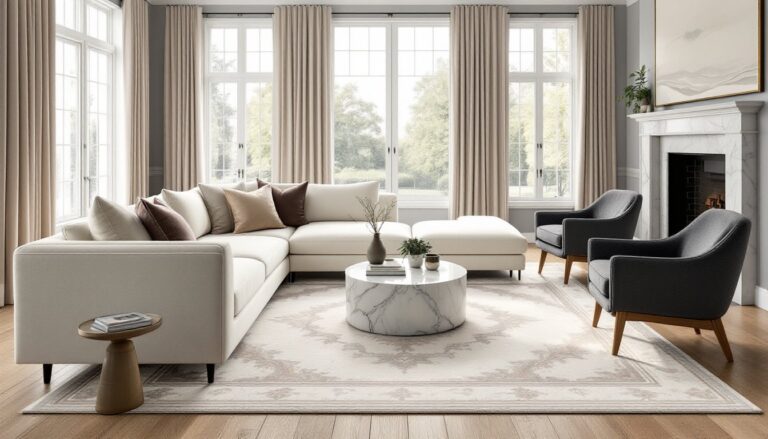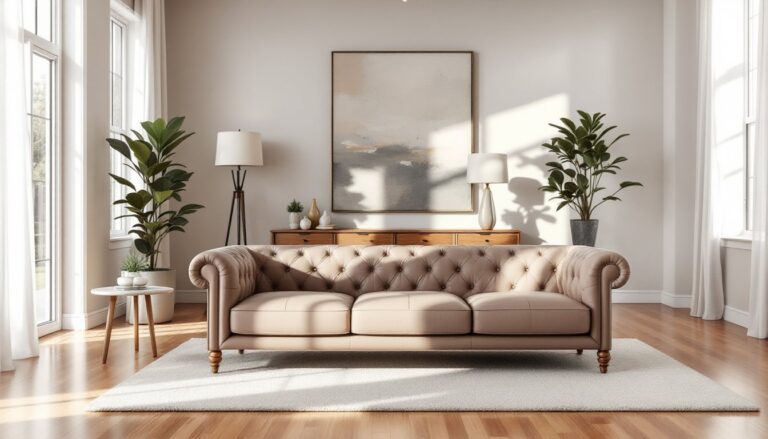
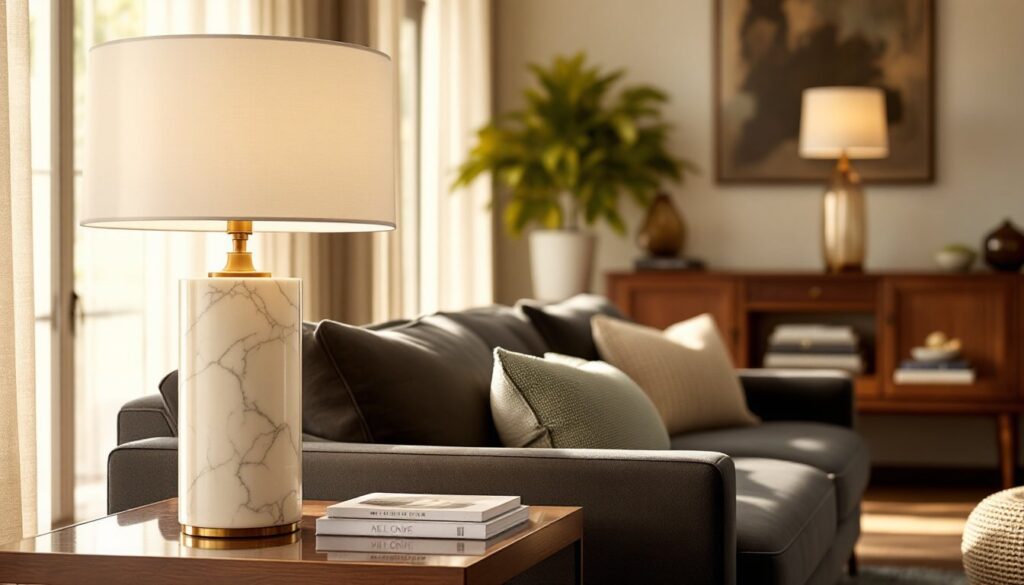
A luxury table lamp isn’t just a light source, it’s a statement piece that anchors a room’s aesthetic while delivering functional illumination. In living rooms where first impressions matter and layered lighting makes the difference between flat and inviting, the right table lamp transforms an ordinary space into something worth lingering in. Whether positioned on an end table flanking a sofa or atop a console behind seating, these fixtures blend artistry with engineering, offering ambient glow and visual weight that overhead lighting simply can’t replicate. This guide walks through what separates a luxury lamp from a mass-market option, how to choose one that fits a specific space, and where to place it for maximum impact.
Table of Contents
ToggleKey Takeaways
- Luxury table lamps for living rooms blend sculptural artistry with layered lighting design, transforming spaces by creating ambient depth that overhead fixtures alone cannot achieve.
- Premium construction distinguishes luxury lamps through solid brass fittings, hand-blown glass bases, natural fabric shades, and features like three-way switches or dimmable sockets that mass-market options skip.
- Proper scaling—where the lamp height equals 58 to 64 percent of the table height—and eye-level shade alignment when seated ensure both functional illumination and visual balance.
- Material coordination matters: match metallic finishes to existing hardware (brushed nickel, brass, bronze) and layer textures between the lamp base, shade, and surrounding furniture for cohesive design.
- Strategic placement of luxury table lamps on end tables, consoles, or accent pieces, combined with intentional cord management and styling, maximizes both functional utility and aesthetic impact.
- Quality luxury table lamps starting around $300 represent long-term investments that deliver durability, customizable lighting control, and timeless design value beyond cheaper alternatives.
Why Luxury Table Lamps Transform Your Living Room
Luxury table lamps do three things simultaneously: they provide task or ambient lighting, serve as sculptural decor, and signal quality through materials and construction. Unlike builder-grade fixtures with hollow bases and stamped metal hardware, high-end lamps use solid brass fittings, hand-turned ceramic or stone bases, and silk or linen shades that diffuse light evenly without hotspots.
In living rooms, table lamps create layered lighting, a design principle that combines overhead, task, and accent sources to eliminate harsh shadows and add depth. A pair of matching lamps on side tables balances symmetry in traditional layouts, while a single bold lamp on a console or credenza introduces asymmetry in modern schemes. The vertical element also draws the eye upward, making standard 8-foot ceilings feel taller.
From a practical standpoint, luxury lamps often include three-way switches (50/100/150-watt equivalent in LED terms) or dimmer-compatible sockets, giving control over ambiance. Cheaper models skip these details, leaving users stuck with a single brightness level that’s either too dim for reading or too bright for evening conversation. Quality fixtures also use UL-listed wiring and heat-resistant sockets, reducing fire risk and ensuring longevity, these aren’t items to replace every few years.
Key Features That Define a Luxury Table Lamp
Not every expensive lamp qualifies as luxury. The distinction lies in specific design and construction choices that separate mass production from considered craftsmanship.
Premium Materials and Craftsmanship
Base construction is the first tell. Luxury lamps use materials like solid brass, hand-blown glass, carved marble, turned wood, or porcelain. A marble base should weigh enough to stabilize the lamp without tipping, expect 8 to 15 pounds for a standard 24- to 28-inch lamp. Brass hardware should feel substantial, with threaded components that tighten smoothly rather than strip after a few adjustments. Hand-blown glass bases often show slight irregularities or color gradations: uniformity suggests molded glass, which is cheaper but less distinctive.
Shade quality matters as much as the base. Premium shades use natural fabrics, linen, silk, or cotton, often with a white or off-white liner to maximize light output and prevent fabric color from tinting the glow. The frame should be stitched or glued cleanly to the fabric, with no visible staples or puckering. Hard-back shades (fabric over a rigid frame) hold their shape better than soft-back (fabric over a wire frame), though soft-back offers a more relaxed silhouette.
Electrical components in luxury lamps include solid brass or ceramic sockets rated for higher wattages, braided or cloth-wrapped cords instead of plastic, and weighted bases with felt or cork padding to protect furniture. Three-way sockets add versatility, and some high-end models integrate USB ports or wireless charging pads into the base, useful but not essential unless the lamp sits on a nightstand or work surface.
Finishing details like hand-applied patinas, hand-painted accents, or custom glazing signal artisan involvement. A lamp with a hand-rubbed bronze finish will develop a subtle variation in tone: factory-applied finishes look uniform under close inspection.
Top Luxury Table Lamp Styles for Modern Living Rooms
Style choice depends on the room’s architecture, existing furniture, and whether the goal is cohesion or contrast.
Minimalist/contemporary lamps feature clean lines, monochromatic palettes, and geometric bases, think cylindrical ceramic, brushed nickel stems, or matte black metal. These work in mid-century modern, Scandinavian, or industrial spaces where ornamentation competes with simplicity. Shades tend to be drum or rectangular, often in white linen or translucent paper.
Traditional/transitional lamps use turned wood, ceramic with hand-painted motifs, or urn-shaped bases in blues, greens, or warm neutrals. These suit classic interiors with crown molding, wainscoting, or upholstered furniture. Empire or bell-shaped shades in silk or linen add formality. Transitional lamps borrow from both, simple silhouettes with subtle detailing like brushed gold accents or tapered bases.
Sculptural/art lamps double as statement pieces: abstract forms, organic shapes inspired by nature, or mixed-material designs combining wood and metal or glass and stone. These anchor luxury modern homes where each element contributes to a curated aesthetic. They often cost more because they’re produced in limited runs or made to order.
Metallic finishes (brass, antique bronze, polished nickel) add warmth and reflect light, making them ideal for rooms with darker walls or heavy textiles. Crystal or glass lamps refract light, creating ambient sparkle without the weight of a chandelier. Marble lamps introduce natural veining and cool-toned sophistication, pairing well with neutral sofas and metal coffee tables.
How to Choose the Perfect Luxury Table Lamp for Your Space
Start with scale and proportion. The general rule: the lamp (base plus shade) should measure 58 to 64 percent of the height of the table it sits on, and the bottom of the shade should align roughly with eye level when seated. For a standard 24-inch side table, that translates to a 24- to 28-inch lamp. Taller console tables (30 to 36 inches) can handle 30- to 34-inch lamps.
Shade diameter should be narrower than the table’s width or depth to avoid visual overhang. A 16- to 18-inch round table calls for a 12- to 14-inch shade: a rectangular console can accommodate larger oval or rectangular shades up to 18 inches wide.
Consider light output and bulb type. Most luxury lamps use standard E26 medium-base sockets compatible with LED bulbs. For ambient lighting, aim for 800 to 1,100 lumens (roughly 60 to 75 watts incandescent equivalent) with a warm color temperature (2700K to 3000K). Three-way bulbs offer flexibility: 600/1,200/1,600 lumens work well for reading or task lighting. Dimmable LEDs paired with a plug-in dimmer give even more control.
Match finish and material to existing fixtures and furniture. If the room has brushed nickel cabinet hardware or light fixtures, a brushed nickel lamp base creates cohesion. Mixing metals works, brass with black iron, for example, but keep the ratio intentional: one dominant metal, one accent. Wood or ceramic bases add texture without committing to a metal palette.
Budget realistically. Quality starts around $300 for handmade ceramic or turned wood bases: designer lamps from established makers (Visual Comfort, Arteriors, Ralph Lauren Home) run $500 to $1,500. Custom or limited-edition pieces exceed that. Factor in bulb cost (quality dimmable LEDs run $10 to $20 each) and potential shade replacements if the fabric fades over time.
Placement and Styling Tips for Maximum Impact
End tables flanking a sofa are the classic setup. Lamps should match in height and style for symmetry, though bases can vary slightly if shades and finishes align. Position them so the bottom of the shade sits at shoulder height when seated, around 40 inches from the floor, to minimize glare while reading or conversing.
A console table behind a sofa or against a wall offers flexibility. A single large lamp (28 to 34 inches) works as a focal point, especially if the base has sculptural presence. Pair it with a small stack of design books, a tray, or a low vase to avoid a sparse look. If the console is long (60+ inches), two lamps spaced evenly create balance, but avoid centering them on the exact ends, move them in 6 to 12 inches.
Accent tables or plant stands in corners benefit from lamps that cast light upward and outward, filling dead zones and softening sharp angles. Uplighting draws attention to ceiling details or architectural features: downlighting creates pools of warm glow for reading nooks. Some interior design guides recommend placing lamps at different heights to add visual rhythm, one at 26 inches, another at 32 inches, rather than matching everything.
Avoid these common mistakes:
- Centering a lamp on a wide console without flanking decor (it looks stranded)
- Using a lamp too short for the table (it disappears visually)
- Skipping a dimmer or three-way bulb (limits usability)
- Placing lamps where cords dangle across walkways (trip hazard)
- Ignoring existing light sources (table lamps shouldn’t compete with bright overhead fixtures)
Cord management matters. Use cord covers or route cables behind furniture legs. Some luxury lamps include longer cords (10 feet versus the standard 6) to reach distant outlets without extension cords. If running a cord under a rug, use a flat extension cord rated for that purpose, standard round cords create lumps and wear through insulation.
Style the lamp with its surroundings. A brass lamp on a dark wood table pairs well with warm-toned artwork or textiles. Ceramic lamps with hand-painted patterns echo colors from throw pillows or rugs. Glass lamps feel lighter and work in refined luxury interiors where transparency prevents visual clutter. Layer textures: a linen shade against a velvet sofa, a marble base on a lacquered table.
Conclusion
Luxury table lamps deliver layered lighting, visual interest, and longevity that cheaper alternatives can’t match. Focus on quality materials, solid brass, natural stone, hand-blown glass, and features like three-way switches or dimmable sockets. Scale the lamp to the table and the room, match finishes to existing hardware, and place fixtures where they enhance both function and aesthetics. Done right, a luxury table lamp isn’t an expense: it’s an investment that shapes how a living room feels and functions for years.