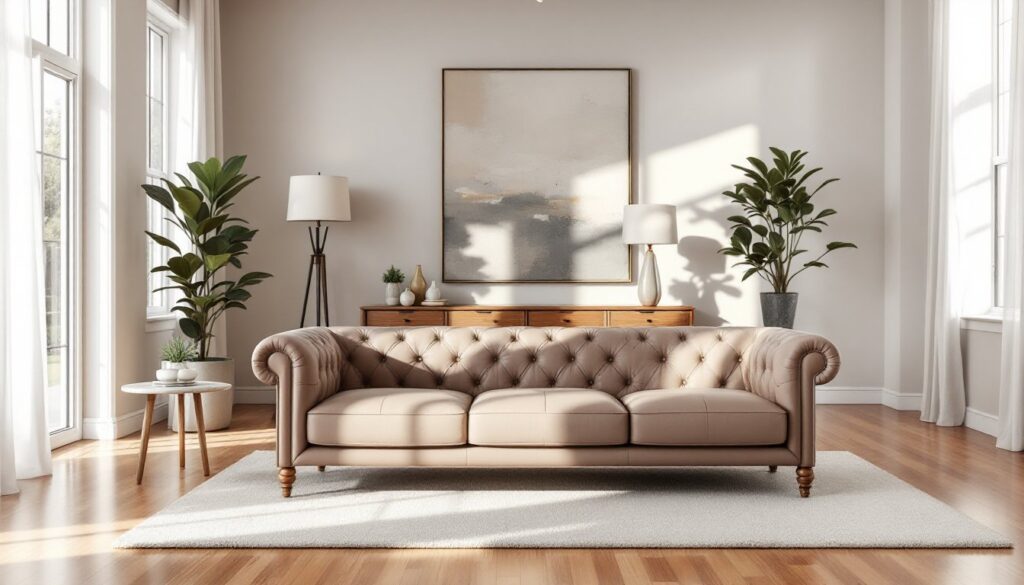
Choosing a luxury sofa isn’t the same as picking up a weekend sectional from a big-box store. These are statement pieces built with premium materials, expert craftsmanship, and structural integrity that outlasts trends. Whether furnishing a formal parlor or anchoring a great room, a well-chosen luxury sofa delivers comfort, durability, and design impact for decades, not just seasons. This guide breaks down what separates investment-grade upholstery from mass-market furniture, and how to select a piece that fits your space, lifestyle, and long-term expectations.
Table of Contents
ToggleKey Takeaways
- Luxury sofas are defined by kiln-dried hardwood frames, eight-way hand-tied coil springs, and high-resilience foam cushions (2.0+ lb/ft³) that maintain shape and comfort for decades.
- Full-grain leather and performance fabrics rated for 50,000+ double rubs offer superior durability compared to bonded leather or low-grade textiles, with proper care extending the sofa’s lifespan significantly.
- Measure your room’s longest wall and allocate two-thirds for the sofa as a focal point, confirm doorway and staircase dimensions, and test seat depth and height in person before committing to a luxury sofa purchase.
- Investment-worthy features include replaceable cushion cores, hardwood frames with corner blocks, 10+ year frame warranties, and customization options (arm styles, leg finishes, welting) that allow seamless integration into your living room design.
- Professional cleaning every 18–24 months, weekly vacuuming with soft brushes, monthly cushion rotation, and keeping the sofa away from heat sources and direct sunlight are essential to preserve a luxury sofa’s appearance and structural integrity.
- Chesterfield, mid-century modern, Lawson, and English roll-arm styles offer versatile aesthetics for luxury living rooms, with sectional configurations providing modular customization for different floor plans and lifestyle needs.
What Defines a Luxury Sofa?
Luxury sofas are distinguished by kiln-dried hardwood frames, typically maple, oak, or beech, joined with mortise-and-tenon or doweled construction, not staples or glue blocks. These frames support eight-way hand-tied coil springs, which distribute weight evenly and maintain their shape under decades of use. Budget sofas use sinuous (zigzag) springs or webbing that sag within a few years.
Upholstery density matters. High-end cushions use 2.0+ lb/ft³ high-resilience foam or down-wrapped cores that recover quickly after compression. Top-grain or full-grain leather, performance fabrics rated for 50,000+ double rubs (Martindale or Wyzenbeek tests), and natural linens treated for stain resistance are standard.
Craftsmanship shows in the details: hand-stitched welting, aligned patterns at seams, and corner blocks screwed and glued for racking resistance. Luxury pieces often carry 10–25 year frame warranties and include replaceable cushion cores. Many manufacturers offer custom dimensions, arm styles, and leg finishes, options that mass-production lines can’t accommodate. If a sofa ships fully assembled (not flat-pack) and weighs 200+ pounds for a standard three-seater, it’s likely built to last.
Top Luxury Sofa Styles for Modern Living Rooms
Chesterfield sofas feature deep button tufting, rolled arms, and nailhead trim, classic English design that works in both traditional and eclectic interiors. Modern iterations pair the silhouette with performance velvet or Italian leather for updated appeal.
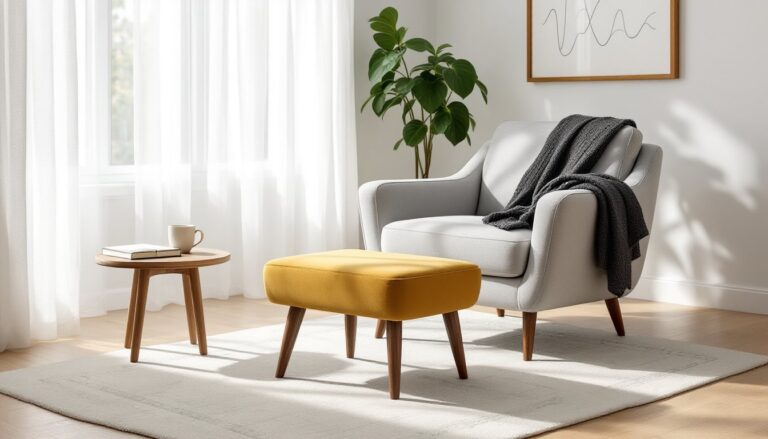
Mid-century modern designs emphasize clean lines, tapered walnut or teak legs, and low-profile frames. These suit open-concept layouts and pair well with the minimalist aesthetic often seen in contemporary luxury homes. Look for pieces with tight-back cushions and channel tufting for a tailored look.
Lawson sofas offer squared arms, loose back cushions, and versatile proportions. They’re workhorses for family rooms where comfort trumps formality. High-end Lawson styles use bench-seat construction (one continuous cushion) for a streamlined appearance.
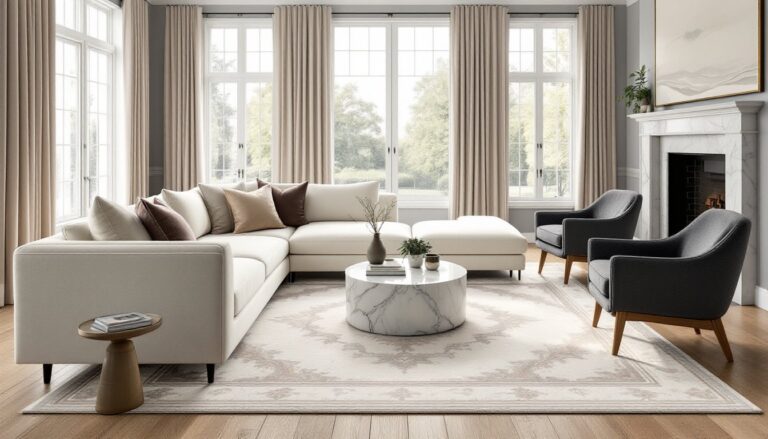
Sectional configurations in luxury lines allow modular customization: chaise lounges, corner wedges, and armless segments that adapt to floor plans. Premium sectionals use concealed metal brackets instead of plastic clips, ensuring tight seams over time.
English roll-arm designs balance formality with livability. The rounded arms are lower than Chesterfield styles, making them easier to drape a throw or rest an arm. These often appear in high-end estates where traditional architecture calls for refined furnishings.
Choosing the Perfect Fabric and Material
Full-grain leather is the highest grade, untouched top layer that develops patina over decades. It’s breathable, ages beautifully, and resists tearing. Top-grain leather (lightly sanded) offers more uniform color but sacrifices some durability. Bonded or corrected-grain leather is reconstituted scrap: avoid it in luxury-tier purchases.
Performance fabrics engineered by companies like Crypton or Sunbrella blend polyester and acrylic with stain-repellent finishes. They’re ideal for homes with kids or pets and are now available in textures that rival natural fibers. Expect 30,000–100,000 double rubs for abrasion resistance: anything below 15,000 won’t hold up to daily use.
Natural linens and wools deliver texture and breathability but require professional cleaning. Belgian linen softens with age: untreated, it wrinkles and stains easily. Wool blends (often with nylon for durability) resist pilling and shed dirt naturally.
Velvet has made a comeback in luxury spaces. Mohair velvet is more resilient than cotton or synthetic blends and less prone to crushing. Budget an extra 15–20% for yardage if choosing patterned fabric, luxury upholsterers match repeats precisely, which increases waste.
Designers often recommend neutrals (charcoal, taupe, greige) for investment pieces, reserving bold color for accent pillows or throws. Fabric selection impacts not just aesthetics but longevity: a poorly chosen textile can compromise an otherwise exceptional frame.
Sizing Your Luxury Sofa for Optimal Comfort
Measure your room’s longest wall and allocate two-thirds of that length to the sofa if it’s the focal point. In a 16-foot room, a 96–108-inch sectional balances scale without overwhelming the space. Leave at least 30–36 inches of clearance for walkways: tighter passages create bottlenecks.
Seat depth ranges from 20 inches (formal, upright posture) to 24+ inches (lounge-friendly). Test both. Shorter individuals often find deep seats uncomfortable without lumbar pillows: taller users may feel cramped on shallow frames. Custom orders allow you to specify depth in one-inch increments.
Seat height typically runs 17–19 inches from floor to cushion top. Lower profiles suit mid-century or modern aesthetics but can be difficult for elderly users to exit. Higher seats ease standing but may look boxy in rooms with low ceilings.
Doorways and staircases are non-negotiable. Measure door frames (both width and diagonal clearance), hallway turns, and stairwell dimensions before ordering. Many luxury sofas ship in multiple pieces or feature removable legs and backs. Confirm disassembly options with the manufacturer, returns on custom upholstery are rarely accepted.
In open-concept layouts, the sofa often defines zones. Float it 12–18 inches off the wall and anchor with an area rug that extends 12–24 inches beyond all edges. This creates visual boundaries without physical partitions.
Investment-Worthy Features to Look For
Eight-way hand-tied springs are the gold standard. Each coil is knotted to its neighbors in eight directions, creating a support web that resists sagging. Sinuous springs are faster to install and adequate for budget pieces, but they lack the longevity of tied coils.
Replaceable cushion cores extend a sofa’s lifespan dramatically. Down-blend cushions compress over time: manufacturers that offer re-fluffing or core replacement (often for a fee) allow you to refresh the piece without reupholstering.
Hardwood frames with corner blocks prevent racking, the twisting motion that loosens joints. Corner blocks should be both screwed and glued. Avoid frames described as “kiln-dried hardwood and engineered wood”: that’s code for partial particleboard or plywood construction.
Scotchgard or similar fabric protection applied during manufacturing penetrates fibers more effectively than aftermarket sprays. If ordering untreated fabric, schedule professional treatment within the first week. According to insights from luxury furniture experts, proper protection dramatically reduces long-term maintenance costs.
Customization options include arm style (track, English roll, tuxedo), leg finish (brass ferrules, turned wood, acrylic), nail-head trim, contrast welting, and skirt vs. exposed legs. These aren’t cosmetic luxuries, they allow the piece to integrate seamlessly with existing architecture and decor.
Warranties should cover the frame for 10+ years, springs for 5+ years, and cushions for 2+ years. Lifetime warranties on frames are common among American and European makers. Anything less suggests the manufacturer doesn’t expect the piece to last.
Caring for Your Luxury Sofa to Ensure Longevity
Vacuum upholstery weekly using a soft brush attachment. This prevents dust and grit from abrading fibers and keeps allergens in check. For tufted pieces, use a crevice tool to clear debris from seams and buttons.
Rotate and flip cushions monthly (if reversible) to distribute wear evenly. Down-blend cushions benefit from daily fluffing to redistribute fill. High-resilience foam cores don’t require fluffing but should still be rotated.
Blot spills immediately with a clean, white cloth, never rub, which drives liquid deeper into fibers. For performance fabrics, mild soap and water usually suffice. Leather requires pH-balanced cleaners: saddle soap or household detergents strip protective oils. Condition leather every 6–12 months with a product recommended by the manufacturer.
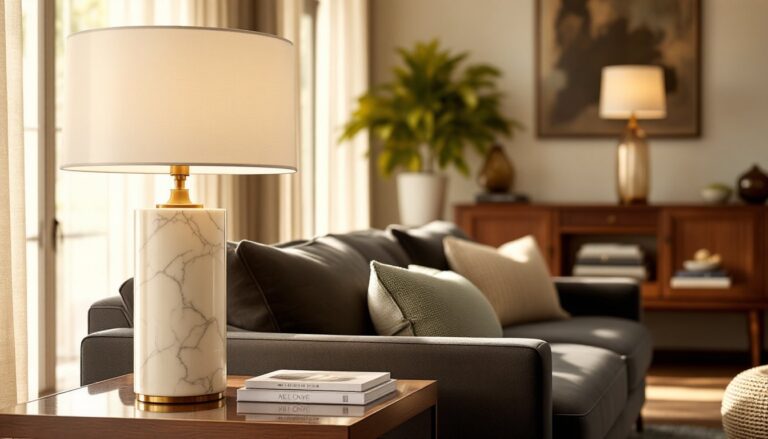
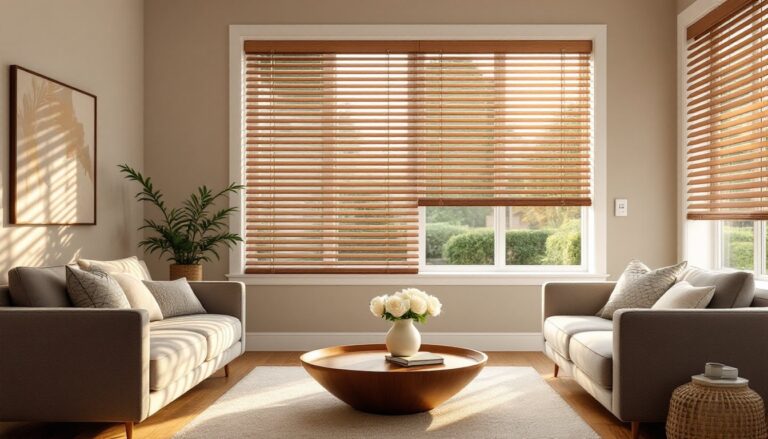
Keep sofas at least 12 inches from heat sources (radiators, fireplaces, forced-air vents). Direct heat dries leather and can yellow or fade fabric. UV exposure is equally damaging: use window treatments or UV-filtering film if the sofa sits in direct sunlight.
Professional cleaning every 18–24 months maintains appearance and hygiene. Choose a cleaner certified by the Institute of Inspection, Cleaning and Restoration Certification (IICRC) and specify your fabric type, steam cleaning can shrink natural fibers or damage non-colorfast dyes.
Pets accelerate wear. If animals share the sofa, invest in a washable slipcover or protective throw. Trim pet nails regularly to prevent snags. Some luxury manufacturers offer pet-friendly fabrics with tighter weaves that resist claw damage.
Conclusion
A luxury sofa isn’t an impulse buy, it’s a long-term commitment that shapes daily comfort and home aesthetics for years. Prioritize structural integrity, material quality, and fit over fleeting trends. Measure carefully, test cushion firmness in person when possible, and don’t skimp on fabric protection or professional maintenance. Whether outfitting a modern mansion or upgrading a well-loved living room, the right piece delivers value far beyond its price tag.