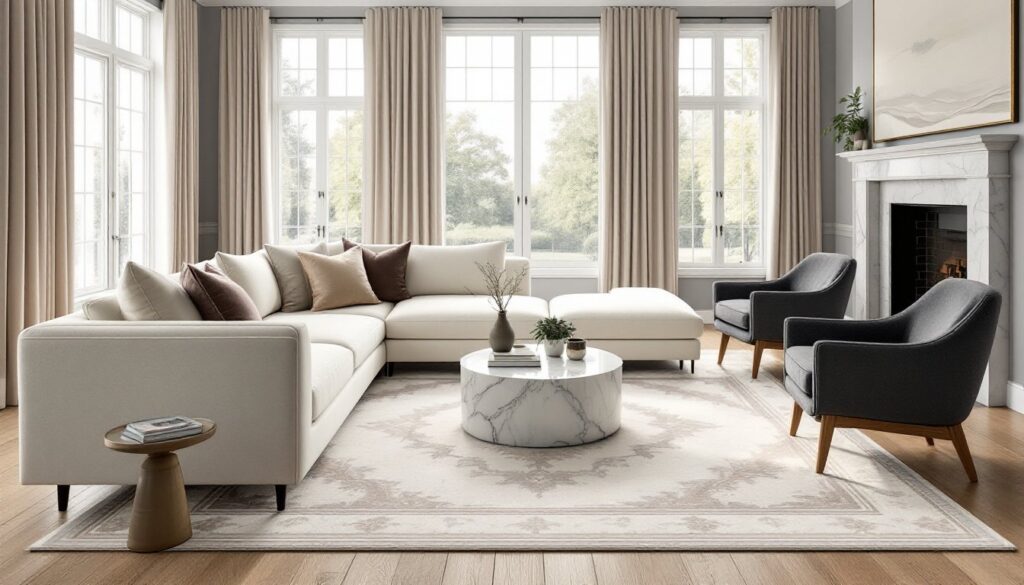
Stepping onto a luxury carpet transforms a living room from a basic gathering space into an indulgent retreat. The right carpet doesn’t just cushion your feet, it anchors furniture, absorbs sound, and signals quality the moment someone walks through the door. Unlike budget flooring that wears thin in a few years, premium carpet stands up to traffic while maintaining its plush feel and rich appearance. This guide walks through the materials, styles, sizing, and maintenance strategies that separate true luxury carpets from lookalikes, helping homeowners make informed choices for spaces that blend comfort with lasting elegance.
Table of Contents
ToggleKey Takeaways
- A luxury living room carpet requires high pile density (80+ ounces per square yard) and premium backing systems to deliver durability and plush comfort that outlasts budget alternatives.
- Wool remains the gold standard material for luxury carpets, offering natural stain resistance, durability, and a lifespan of 20–30 years with proper care, making it worth the $50–$150 per square yard investment.
- Choose between cut pile for a classic hotel-like feel or loop pile for durability and stain resistance, and consider cut-and-loop styles to add texture while disguising wear patterns.
- Proper sizing and placement matter: 8×10 or 9×12-foot area rugs suit most living rooms, and maintaining 12–18 inches of exposed flooring frames the space for maximum visual impact.
- Protect your investment with professional cleaning every 12–18 months, UV-filtering window treatments to prevent fading, and documentation plus insurance for hand-knotted pieces valued over $5,000.
What Defines a Luxury Living Room Carpet?
Luxury isn’t just about price tags, it’s about density, materials, and construction methods that deliver superior performance. A true luxury carpet starts with a high pile density, typically 80 ounces per square yard or more, which translates to a thicker, more resilient surface that bounces back after foot traffic. Compare that to builder-grade carpet at 40-50 ounces, and the difference is clear underfoot.
Knot count matters for hand-knotted rugs: look for 120 knots per square inch or higher for intricate patterns and durability. Machine-made luxury carpets use tufted or woven construction with tight loop or cut-pile weaves that resist crushing and matting. Premium backing systems, often jute or high-grade latex, add stability and prevent stretching or buckling over time.
Finish quality is another telltale sign. Luxury carpets feature hand-serged edges, custom border options, and colorfast dyes that won’t fade under sunlight streaming through south-facing windows. The visual depth comes from multi-tonal yarns or carved pile heights that create texture and movement, elevating the carpet beyond flat, single-color options.
Premium Materials That Elevate Your Space
Material choice dictates how a carpet feels, wears, and ages. Luxury living rooms in high-end homes demand fibers that deliver on both aesthetics and longevity.
Wool: The Timeless Luxury Choice
100% wool remains the gold standard for luxury carpet. New Zealand and Tibetan wool varieties offer natural stain resistance thanks to lanolin content, while the crimped fiber structure traps air for insulation and sound dampening. Wool resists crushing better than synthetics, and it naturally regulates humidity, critical in climates with seasonal swings.
Expect to pay $50-$150 per square yard for quality wool broadloom, with hand-knotted wool area rugs starting around $80-$200 per square foot depending on origin and knot density. Wool does require professional cleaning every 12-18 months to maintain its loft, but it can last 20-30 years with proper care. It’s also naturally flame-resistant, meeting most residential fire codes without chemical treatments.
One downside: wool can fade in direct sunlight. Install UV-filtering window treatments if the carpet sits in a room with large west- or south-facing glass.
Silk and Silk Blends for Ultimate Sophistication
Silk delivers unmatched sheen and softness, making it the top choice for formal living rooms with light traffic. Pure silk carpets are delicate, reserve them for spaces where shoes rarely tread and pets don’t roam. The fiber’s natural luster catches light and shifts color depending on viewing angle, creating a dynamic, jewel-like appearance.
More practical for most households: silk-wool blends (typically 20-40% silk). These combine silk’s visual drama with wool’s durability, offering a middle ground that works in occupied living rooms. Silk blends run $100-$300 per square yard for broadloom and significantly higher for hand-knotted pieces.
Silk requires gentle, pH-neutral cleaning agents and shouldn’t be placed in rooms with moisture exposure or heavy sunlight. Many designers recommend silk accents, like a 5×8 area rug under a coffee table, rather than wall-to-wall installation, balancing luxury with livability.
Choosing the Right Carpet Style for Your Luxury Living Room
Style choice affects both aesthetics and function. The wrong pile type can trap pet hair, show footprints, or clash with furniture profiles.
Cut pile (plush or saxony) delivers the classic “luxury hotel” feel with dense, upright fibers that offer softness underfoot. It works well in formal living rooms but shows vacuum tracks and footprints, which some homeowners find distracting. For high-traffic living rooms, textured cut pile with varying fiber heights hides marks better while maintaining a refined look.
Loop pile (level loop or patterned loop) offers excellent durability and stain resistance, though it feels firmer than cut pile. Berber-style loop carpets in wool or nylon suit contemporary or transitional spaces, especially those that flow into dining areas or kitchens where spills are more likely.
Cut-and-loop (also called pattern carpet) combines both techniques to create sculptured textures or subtle geometric patterns. This style adds visual interest without requiring bold colors or prints, making it a versatile option for rooms with neutral palettes and statement furniture. The varied pile heights also disguise wear patterns over time.
For open-concept modern luxury homes, consider how carpet transitions to adjacent flooring. Luxury metal or wood transition strips (not cheap plastic) maintain the high-end aesthetic at thresholds. If the living room opens to hardwood or tile, choose a carpet color that either complements or deliberately contrasts, muddy mid-tones that “sort of” match rarely look intentional.
Pattern vs. solid also matters. Large-scale patterns (medallions, florals, damask) anchor a room and hide minor stains, but they require careful furniture placement to avoid visual clutter. Solid or subtly variegated carpets offer more flexibility for rotating furniture layouts and work better with patterned upholstery or bold artwork.
How to Select the Perfect Size and Placement
Measuring mistakes are expensive with luxury carpet. Always account for actual room dimensions after baseboards and door clearances, and add 3-6 inches for professional installation trimming if going wall-to-wall.
For wall-to-wall installation, broadloom carpet (typically sold in 12-foot or 15-foot widths) gets seamed at transitions or in very large rooms. Seam placement should run parallel to the main sight line, perpendicular to entry doors or toward focal points like fireplaces, to minimize visibility. Professional installers use heat-bonded tape and weighted rollers: seam quality separates luxury installs from budget jobs.
Area rugs offer flexibility and easier maintenance. Standard sizing rules for living rooms:
- 5×8 or 6×9 feet: Works under a coffee table with front furniture legs off the rug. Suitable for compact living rooms (10×12 feet or smaller).
- 8×10 or 9×12 feet: Accommodates all front furniture legs (sofa, chairs) on the rug, with back legs off. Ideal for 12×15 to 14×18-foot living rooms.
- 10×14 feet or larger: Fits all furniture legs on the rug, creating a cohesive “room within a room.” Best for 16×20-foot spaces or open-concept areas.
Leave 12-18 inches of exposed flooring between the rug edge and walls to frame the space. In luxury estates with expansive rooms, oversized custom rugs (12×16 or larger) can be commissioned from specialty manufacturers, though lead times run 8-16 weeks and costs climb steeply.
Rug pads are non-negotiable for area rugs. Premium felt-and-rubber pads (not cheap foam) prevent slipping, add cushioning, and protect hardwood or tile underneath. Trim the pad 1-2 inches smaller than the rug perimeter so it doesn’t peek out at the edges.
Maintenance and Care Tips for Luxury Carpets
Luxury carpet requires proactive care, not just crisis cleaning when stains happen. Skipping maintenance accelerates wear and voids some manufacturer warranties.
Vacuum weekly using a machine with adjustable height settings and a beater bar that can be disabled for delicate fibers like silk or fine wool. Over-aggressive beater bars pull fibers and damage hand-knotted construction. For high-pile or shag carpets, use suction-only mode to avoid tangling.
Rotate area rugs every 6-12 months to even out wear and sun exposure. This simple step extends lifespan significantly, especially in rooms with strong directional light. Wall-to-wall carpet can’t be rotated, so use furniture pads under heavy pieces and reposition occasionally to prevent permanent crushing.
Professional cleaning should happen every 12-18 months for wool, more frequently (every 6-12 months) for silk blends or light-colored carpets in active households. Choose certified technicians experienced with luxury fibers, hot water extraction (steam cleaning) works for wool, but silk requires low-moisture or dry-cleaning methods. Always request pH-neutral, residue-free cleaning agents: harsh chemicals strip natural oils and cause premature aging.
Spot-clean immediately using blotting (not rubbing) with a clean white cloth. For wool, club soda or a wool-safe spot cleaner handles most spills. For silk, consult the manufacturer or a professional before applying anything, DIY spot treatments can cause permanent water rings or color bleeding. Interior design resources like MyDomaine often feature rug care guides tailored to specific fiber types.
Protect from sunlight with UV-filtering window films or cellular shades that block 95%+ of UV rays. Fading is irreversible, and it devalues hand-knotted or custom carpets that can represent multi-thousand-dollar investments.
Address odors promptly. Wool absorbs moisture and odors, so spills from pets or food need enzymatic cleaners designed for natural fibers. Avoid baking soda or vinegar on luxury carpet, residues can attract dirt or alter dye chemistry. For persistent odors, professional extraction is the safest route.
Finally, insure high-value pieces. Hand-knotted rugs valued at $5,000+ should be documented with photos, receipts, and appraisals, then added to homeowner’s insurance as scheduled items. Standard policies often cap coverage for rugs at $1,500-$2,500.
By selecting the right materials and styles, sizing carpets thoughtfully, and committing to regular care, homeowners can enjoy luxury living room carpets that deliver comfort and elegance for decades. Whether outfitting a cozy luxury rustic home or a sprawling modern mansion, the right carpet grounds the space and elevates every gathering.