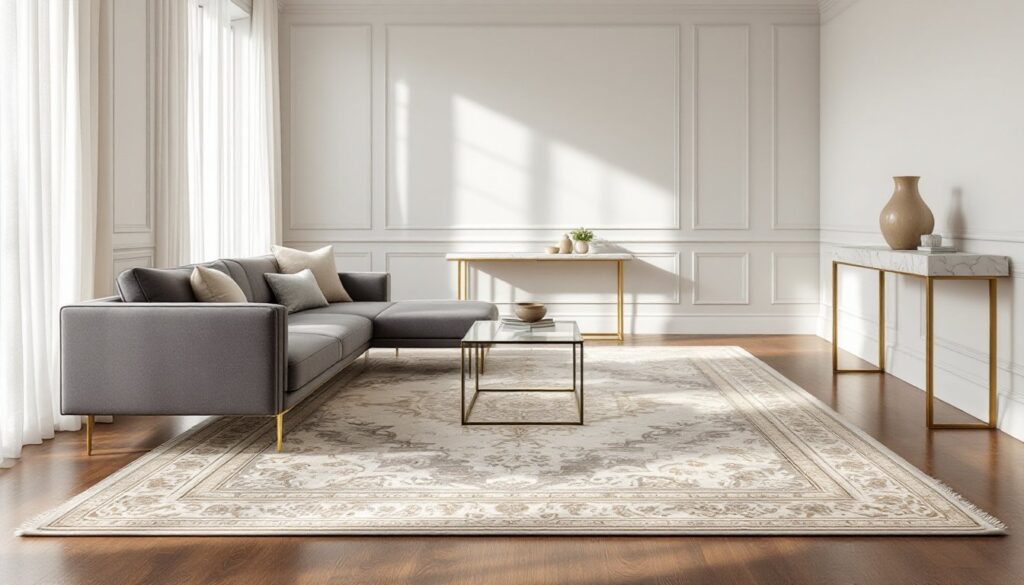
A luxury rug isn’t just a floor covering, it’s the anchor that pulls an entire room together. The right piece transforms cold hardwood or tile into a warm, layered space that feels intentional and refined. Whether you’re working with a contemporary layout in a modern luxury home or adding texture to a minimalist design, choosing the right rug requires understanding materials, construction, and placement. This guide walks through what separates a high-end rug from big-box alternatives and how to select, place, and maintain an investment piece that lasts decades.
Table of Contents
ToggleKey Takeaways
- Luxury living room rugs are defined by hand-knotted or hand-tufted construction, with quality materials like silk-wool blends, New Zealand wool, and high knot density that ensures durability for decades.
- Proper rug sizing is critical: extend at least 18 inches beyond sofa legs, aim for 8×10 or 9×12 rugs in standard living rooms, and maintain 12–18 inches of bare floor between the rug edge and walls for balanced proportions.
- Silk-wool blends offer the best balance for high-traffic living spaces, combining wool’s durability and stain resistance with silk’s luster, while pure silk or viscose alternatives lack the longevity needed for daily use.
- Rotate luxury living room rugs every six months and vacuum weekly with a suction-only head to distribute wear evenly and prevent fiber damage from beater bars.
- Professional IICRC-certified cleaning every 12–24 months, immediate blotting of spills, and proper storage are essential to maintaining your investment and preventing permanent damage.
- Budget $200–$500 annually for maintenance and repairs on high-end pieces, as professional restoration of loose fringe, unraveling edges, or worn backing costs far less than replacement.
What Makes a Rug Truly Luxurious?
Luxury rugs are defined by three core factors: material quality, construction method, and knot count or weave density.
Hand-knotted rugs, particularly Persian, Turkish, or Tibetan styles, represent the gold standard. Artisans tie individual knots onto a loom, creating dense, durable piles that can exceed 300 knots per square inch. These rugs take months or even years to complete, which explains their price tags. Machine-made rugs can’t replicate this texture or longevity, even with advanced looms.
Hand-tufted rugs offer a middle ground. A craftsperson uses a tufting gun to punch yarn through a fabric backing, then applies latex and a secondary backing for stability. They’re faster to produce than hand-knotted pieces but still deliver excellent texture and customization. Expect a quality hand-tufted rug to last 15–20 years with proper care.
Flatweave rugs (kilims, dhurries) skip the pile entirely, interlacing warp and weft threads for a thin, reversible textile. They work well in high-traffic areas or under dining tables where chair legs need to glide smoothly.
Finally, consider origin and certification. Rugs with GoodWeave or RugMark labels guarantee fair labor practices. Many luxury estates prioritize ethically sourced textiles as part of their overall design philosophy.
Top Materials for High-End Living Room Rugs
Silk and Wool Blends for Ultimate Elegance
Pure silk rugs deliver unmatched sheen and color depth, but they’re delicate, best suited for low-traffic zones or as wall hangings. A silk-wool blend (typically 20–30% silk, 70–80% wool) strikes a better balance for living rooms. The wool provides durability and stain resistance, while silk adds luster and softness underfoot.
Look for New Zealand wool or Himalayan wool in premium rugs. New Zealand wool has long, fine fibers that resist pilling and hold dye evenly. Himalayan wool, hand-spun at high altitudes, offers a slightly coarser texture with excellent resilience. Both types naturally repel moisture and dirt, wool fibers have a waxy coating (lanolin) that makes spills bead up if you blot them quickly.
Avoid viscose or rayon marketed as “art silk.” These plant-based cellulose fibers shine like silk but lack durability. They water-spot easily, crush under furniture, and shed heavily. If a rug feels silky but costs under $50 per square foot, it’s likely viscose, not true silk.
Silk-wool rugs require professional cleaning every 18–24 months. Vacuum weekly with a suction-only head (no beater bar) to prevent fiber damage. Rotate the rug every six months to even out wear and sun exposure.
Natural Fibers: Jute, Sisal, and Seagrass
Natural fiber rugs bring organic texture to luxury rustic homes and coastal-inspired interiors. Jute is the softest of the three, with a golden-brown hue and slight sheen. It works well in formal living rooms when you want a neutral base that won’t compete with upholstery or art.
Sisal comes from agave plants and feels coarser underfoot. It’s exceptionally durable, commercial spaces often use sisal runners in hallways. The tight weave resists stains and hides dirt, making it practical for homes with pets. But, sisal rugs can be scratchy: pair them with a softer area rug or use them in spaces where people wear shoes.
Seagrass is the most moisture-resistant natural fiber. It’s harvested from paddies, dried, and spun into a smooth, almost waxy yarn. Seagrass rugs handle humidity well, so they’re ideal for sunrooms or beach houses. The trade-off is limited color options, seagrass doesn’t absorb dye, so you’re stuck with natural greens and browns.
All three fibers shrink and stain when wet, so avoid using them in basements, bathrooms, or near entryways where snow and rain track in. Clean spills immediately with a dry cloth, never saturate these rugs with water or steam cleaners. Vacuum regularly to dislodge embedded dirt before it cuts the fibers.
How to Choose the Perfect Size and Placement
Rug size makes or breaks a room’s proportions. The most common mistake is buying too small, a 5×7 rug floating in the middle of a 12×14 living room looks like an afterthought.
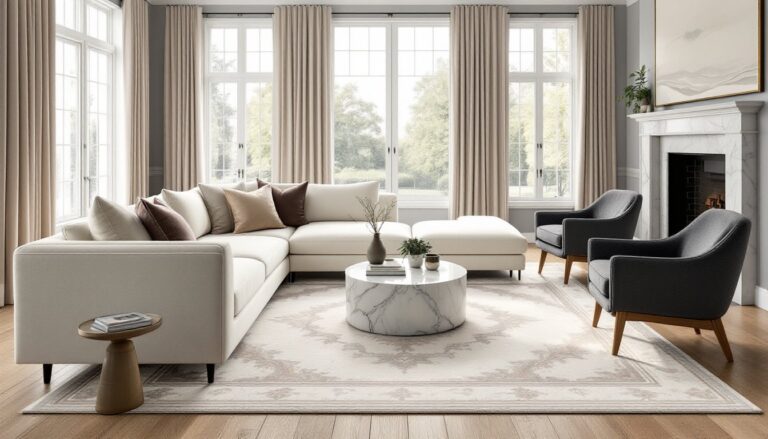
For seating areas, the rug should extend at least 18 inches beyond the front legs of sofas and chairs. This creates a cohesive “zone” and keeps the space from feeling disjointed. In a standard living room with a sofa and two chairs, an 8×10 or 9×12 rug usually works. If you have a sectional, consider a 10×14 to anchor the entire piece.
All furniture legs should sit on the rug, or all legs should sit off, mixing the two rarely works. The exception: in very large rooms with multiple seating groups, you can float a smaller rug under a coffee table with only front legs on the rug, but this requires careful planning.
Leave 12–18 inches of bare floor between the rug edge and walls. This “breathing room” prevents the rug from looking wall-to-wall and highlights architectural details like baseboards or herringbone flooring common in high-end homes.
Under dining tables, add 24–30 inches on all sides of the table dimensions. This ensures chairs remain on the rug when pulled out. For a 6×4 table, you’d need a 10×8 rug minimum. Flatweave or low-pile rugs work best here, thick piles tilt chair legs and make it harder to slide seating in and out.
In open-plan spaces, use rugs to define zones. A large rug under the sofa and coffee table separates the living area from an adjacent dining or workspace. Stick to similar color palettes or complementary patterns to maintain flow.
Rug pads are non-negotiable. They prevent slipping, add cushion, and protect both the rug and the floor. Use a felt-and-rubber pad on hardwood (not all-rubber, which can discolor finishes) and a non-slip mesh pad on tile or stone. Trim the pad 1 inch smaller than the rug on all sides so it doesn’t peek out.
Caring for Your Luxury Rug Investment
Proper maintenance extends a luxury rug’s life from decades to generations. Start with routine vacuuming, once a week for low-traffic areas, twice for high-traffic zones. Use a suction-only setting or a vacuum with adjustable height. Beater bars can snag and pull hand-knotted fibers, especially on silk or delicate wool.
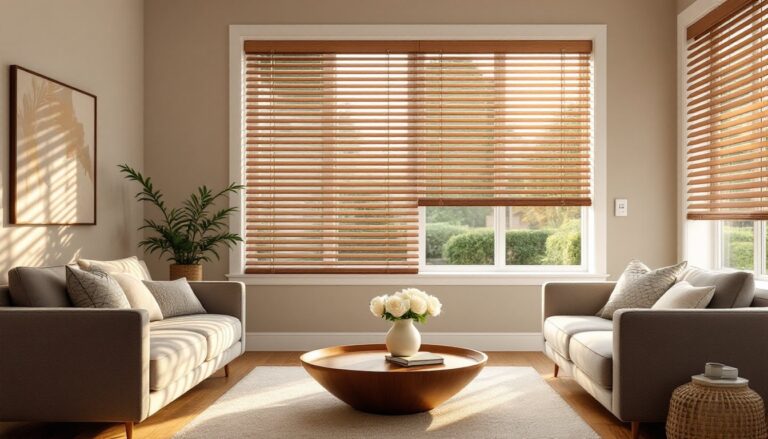
Rotate the rug 180 degrees every six months to distribute wear and sun exposure evenly. UV rays fade natural dyes, particularly reds and blues. Use window treatments or UV-blocking film in rooms with direct sunlight.
Blot spills immediately with a clean, dry cloth. Work from the outside in to prevent spreading. Never scrub, this pushes liquid deeper into the pile and distorts fibers. For solid messes (pet accidents, food), scrape up excess with a dull knife, then blot. Avoid over-the-counter rug cleaners: many contain optical brighteners or harsh detergents that strip natural oils from wool.
Professional cleaning is essential every 12–24 months, depending on traffic and pets. Look for a cleaner certified by the Institute of Inspection, Cleaning and Restoration Certification (IICRC) who specializes in hand-knotted or natural fiber rugs. They’ll use a dusting machine to remove embedded grit (which cuts fibers like sandpaper), then hand-wash the rug with pH-neutral solutions. The process usually takes 2–3 weeks: avoid anyone promising same-day turnaround.
Store rugs properly if you rotate them seasonally. Roll them, never fold, with the pile facing inward. Wrap in breathable cotton or muslin (not plastic, which traps moisture and invites mold). Store in a cool, dry location off the ground. Sprinkle moth repellent crystals (not mothballs, which reek) in the wrap if storing for more than a few months.
Address damage early. Loose fringe, unraveling edges, or moth holes worsen quickly. A qualified rug restorer can reweave sections, re-secure fringe, and repair backing. Costs vary widely based on damage severity, but repairs almost always cost less than replacement.
Designers working on luxury modern mansions often recommend keeping a “rug budget” for periodic maintenance, factor in $200–$500 annually for cleaning and minor repairs on a high-end piece.
Conclusion
Selecting a luxury rug requires balancing aesthetics, durability, and budget. Focus on proven materials, proper sizing, and consistent care. A well-chosen rug grounds your design and improves with age, developing a patina that mass-produced pieces never achieve.