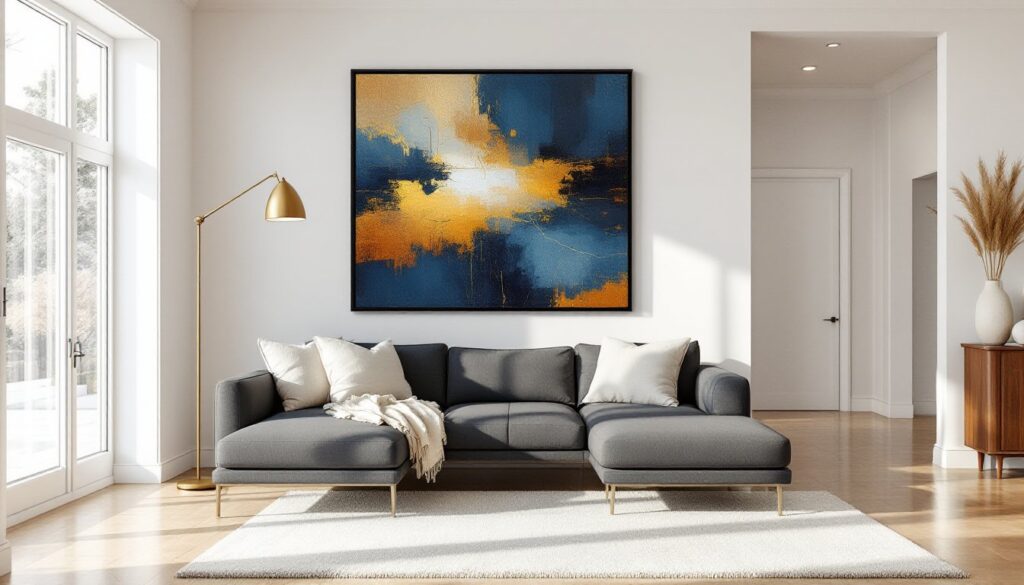
Choosing the right wall art can make or break a living room. It’s not just about filling blank space, luxury wall art sets the tone, anchors furniture arrangements, and tells visitors exactly what kind of space they’ve walked into. Unlike mass-produced prints, luxury pieces bring genuine craftsmanship, whether through original paintings, handcrafted sculptures, or limited-edition works. The right selection elevates a room from “nicely furnished” to “unforgettable,” and in 2026, homeowners are moving away from generic décor toward statement pieces that reflect personal taste and investment-grade quality.
Table of Contents
ToggleKey Takeaways
- Luxury wall art for living rooms serves as a visual anchor that establishes mood and sophistication while holding investment value unlike mass-produced décor.
- Proper sizing is critical—art should occupy roughly two-thirds to three-quarters the width of furniture it hangs above, with oversized pieces recommended for rooms with 10-foot ceilings or higher.
- Original paintings and limited-edition signed pieces are preferred over cheap prints; expect to invest $800–$5,000 for quality work from reputable galleries, plus 20–30% additional costs for framing and installation.
- Installation requires precise planning using a stud finder and level, with pieces over 25 pounds needing two points of contact into separate studs and professional installers recommended for works valued over $5,000.
- Lighting, color palette, and style coherence dramatically affect how luxury wall art reads in a room—neutral spaces benefit from bold colors, while north-facing rooms suit warmer tones.
- Test before committing by using painter’s tape to outline dimensions or paper templates on your wall, and avoid hanging art in high-humidity areas or direct sunlight to prevent warping and fading.
Why Luxury Wall Art Is the Key to Elevating Your Living Room
Luxury wall art functions as the visual anchor in any living room. While furniture provides comfort and function, art establishes mood, scale, and sophistication.
A single large-scale piece, say, a 72″ × 48″ canvas, can transform an otherwise plain wall into a focal point that draws the eye and balances sectional sofas or entertainment centers. Smaller works get lost in large rooms, making proportional sizing critical. For spaces with 10-foot ceilings or higher, consider oversized works or vertical installations that fill the height without crowding.
Luxury pieces also hold value differently than décor-grade prints. Original paintings, signed limited editions, and handcrafted sculptures often appreciate over time, especially works by emerging or established artists. They’re not just decoration, they’re assets. Collectors looking for high-end residential designs often prioritize art that complements architectural features like coffered ceilings, fireplaces, or statement lighting.
Beyond aesthetics, luxury art signals intentionality. It shows a homeowner invests in quality and curation rather than quick fixes. That distinction matters when hosting guests or staging a home for resale. Art becomes a conversation starter, especially pieces with visible texture, unusual materials, or compelling backstories.
Popular Types of Luxury Wall Art for Modern Living Rooms
Original Paintings and Limited Edition Prints
Original oil or acrylic paintings remain the gold standard for luxury wall art. Unlike digital prints, originals carry visible brushstrokes, texture, and the artist’s hand. Expect to invest anywhere from $1,500 to $25,000+ depending on the artist’s reputation, size, and medium. Authentication certificates and provenance records matter, especially for resale.
Limited edition giclée prints offer a more accessible entry point while maintaining collectibility. True limited editions are numbered (e.g., 25/100) and signed by the artist, often printed on archival-quality canvas or fine art paper. Prints on cheap poster stock don’t qualify, look for UV-resistant inks and acid-free substrates that won’t yellow over time.
Abstract works remain dominant in 2026, particularly pieces with metallic accents, organic shapes, or muted earth tones that pair well with contemporary furniture. Representational art, portraits, landscapes, still lifes, adds traditional elegance but requires careful pairing with room style. A classical oil portrait clashes in a minimalist space but shines in rooms with crown molding and traditional millwork.
Framing matters as much as the artwork itself. Museum-quality frames with UV-protective glass prevent fading and add polish. Budget $200–$800 for custom framing on large pieces. Skip the bargain frames, warping and discoloration ruin an otherwise premium piece.
Sculptural Wall Art and 3D Installations
Flat art isn’t the only option. Sculptural wall art, metal, wood, ceramic, or mixed media, adds depth and shadow play that changes throughout the day as natural light shifts. These pieces work especially well on feature walls opposite windows or skylights.
Metal wall sculptures in brass, copper, or blackened steel bring industrial elegance. Look for hand-welded pieces rather than mass-produced stamped metal. Weight becomes a factor: sculptures over 20 pounds require blocking (horizontal wood backing anchored to studs) or toggle bolts rated for the load. Drywall anchors alone won’t cut it.
Wood installations, think reclaimed barn wood arranged in geometric patterns or carved relief panels, add warmth and texture. Ensure the wood is kiln-dried and sealed to prevent warping, especially in humid climates. Beetle-kill pine and spalted maple offer unique grain patterns but need proper finishing to prevent insect activity or mold.
Layered or 3D canvas art uses stacked panels or raised elements to create dimension. These pieces photograph beautifully and add visual interest without overwhelming a room. Many contemporary interior layouts incorporate these as conversation-starters above mantels or in entryway sightlines.
Installation requires planning. Use a laser level to ensure alignment, especially for multi-panel installations. For heavy pieces, locate studs with a stud finder and use #8 or #10 wood screws at least 2.5″ long driven into solid framing. Picture-hanging wire and standard hooks rarely provide adequate support for sculptural work.
How to Choose the Perfect Luxury Wall Art for Your Living Room
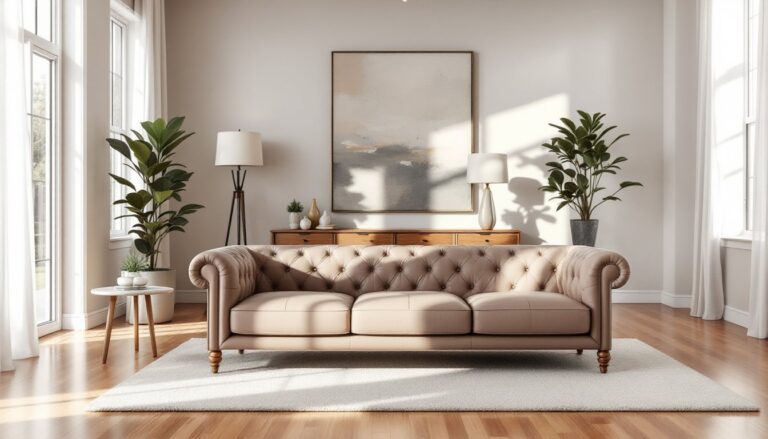
Start with room measurements and proportions. The classic rule: art should occupy roughly two-thirds to three-quarters the width of the furniture it hangs above. For a 90″ sofa, aim for a piece (or gallery grouping) spanning 60–68″ wide. Measure twice, undersized art looks like an afterthought.
Consider your existing color palette. Luxury art doesn’t need to match the sofa exactly, but it should complement or contrast intentionally. A neutral room (grays, whites, taupes) benefits from bold color in the artwork, think deep blues, burnt oranges, or jewel tones. Conversely, if your furniture already includes strong colors or patterns, choose art with more subdued tones to avoid visual chaos.
Lighting dramatically affects how art reads in a room. Rooms with abundant natural light can handle darker, more saturated pieces. North-facing rooms with cooler light benefit from warmer tones (reds, golds, warm whites). Consider installing picture lights or track lighting with 3000K–4000K LED bulbs to highlight texture and prevent washout. Avoid direct halogen or incandescent bulbs, they generate heat that can damage delicate media over time.
Style coherence matters. A mid-century modern living room pairs naturally with abstract expressionism or geometric prints, while traditional spaces lean toward realism, classical portraiture, or ornate frames. Don’t force it, a baroque gilded frame in a Scandinavian minimalist room feels jarring, no matter how expensive the piece.
Test before committing. Many galleries and online platforms offer return policies or at-home trials. Use painter’s tape to outline the piece’s dimensions on your wall, or create a paper template. Live with the mockup for a few days. You’ll quickly see if the scale works or if the spot feels awkward.
Budget realistically. Luxury doesn’t always mean six figures, but cutting corners shows. Expect to spend $800–$5,000 for quality pieces from reputable galleries or emerging artists. Higher-end works by recognized names start around $10,000 and climb quickly. Factor in framing, delivery, and installation, these easily add 20–30% to the sticker price.
Placement and Installation Tips for Maximum Impact
Hang art at eye level as a baseline rule, specifically, the center of the piece should sit 57–60 inches from the floor, which aligns with average gallery standards. Adjust slightly higher in rooms with tall ceilings or if most viewing happens while standing. For art above a sofa, leave 6–12 inches between the furniture top and the bottom of the frame. Closer creates a cramped look: farther disconnects the piece from the furniture grouping.
Use a stud finder and level for every installation. Mark stud locations lightly with pencil. For pieces under 25 pounds, a single screw into a stud suffices. Heavier works require two points of contact, preferably into separate studs 16″ or 24″ apart (standard framing intervals). If studs don’t align with your desired placement, use heavy-duty toggle bolts or molly bolts rated for the weight. Always check the weight rating, most standard picture hangers max out around 10–15 pounds.
Gallery walls require more planning but pay dividends visually. Lay pieces on the floor first to experiment with arrangement. Maintain 2–4 inches between frames for breathing room. Use uniform spacing for a formal look or varied spacing for a casual vibe. Cut paper templates for each piece, tape them to the wall, and step back to evaluate before driving any holes.
Securing valuable art goes beyond basic hanging. Anti-theft hardware, including security screws or wall mounts with locking mechanisms, adds protection in high-traffic homes. For earthquake-prone regions, use museum putty or seismic-rated hangers that prevent art from shifting or falling during tremors.
Avoid hanging luxury art in high-humidity areas (near fireplaces, above radiators, in uninsulated exterior walls). Canvas expands and contracts with moisture, causing warping or cracking in oil paint. Similarly, direct sunlight fades pigments over time, use UV-filtering window film or rotate art seasonally if unavoidable.
Wiring and hardware deserve attention. For framed pieces, use braided picture wire (not sawtooth hangers) rated well above the actual weight. Attach D-rings one-third down from the top of the frame back, not at the midpoint. This positions the wire at the proper height when hung and prevents the frame from tilting forward.
For professional results, hire an art installer for pieces valued over $5,000 or weighing more than 50 pounds. They carry insurance, use proper blocking techniques, and understand load distribution for plaster, drywall, or masonry walls. Costs run $75–$200 per piece but avoid costly damage from DIY miscalculations.
Conclusion
Luxury wall art transforms living rooms from functional spaces into personal galleries that reflect taste, investment, and attention to detail. Whether choosing original paintings, limited editions, or sculptural installations, prioritize quality materials, proper sizing, and secure installation. Don’t rush the process, living with templates, testing light conditions, and consulting galleries ensures the final selection enhances the room for years. Start with one statement piece and build from there.