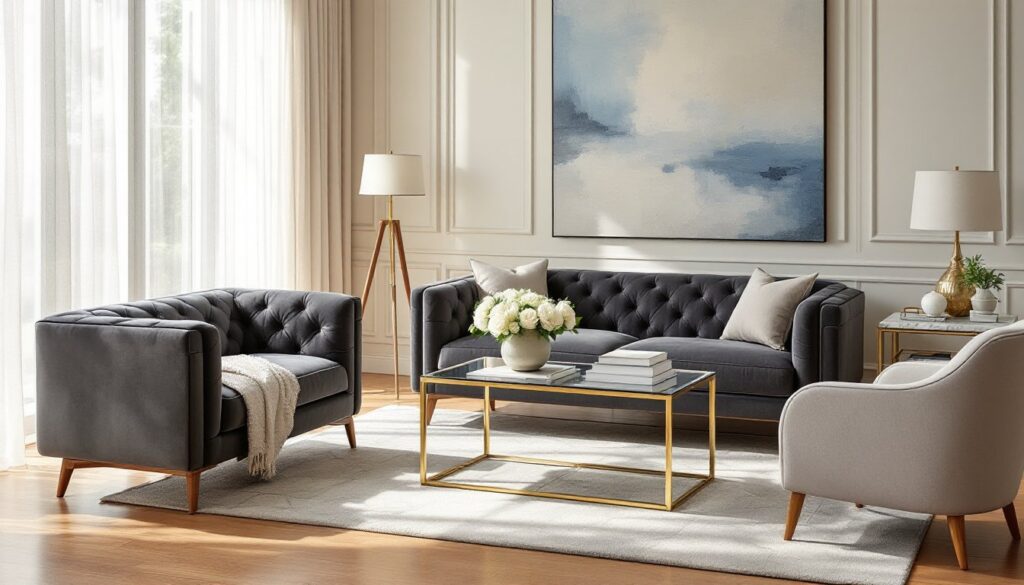
Shopping for a luxury couch isn’t like picking up a futon at a box store. You’re making a decision that’ll anchor your living room for years, maybe decades, and the stakes are high. A truly luxurious sofa balances exceptional craftsmanship, materials that age gracefully, and a design that elevates the entire space. But with price tags that can rival used cars, understanding what separates a premium piece from an overpriced showroom novelty is essential. This guide walks through the defining characteristics of luxury couches, popular styles that suit modern homes, sizing strategies, and maintenance practices that protect your investment.
Table of Contents
ToggleKey Takeaways
- Luxury couches for living rooms are defined by hardwood frames, eight-way hand-tied springs, and premium upholstery materials rather than price tag alone, ensuring durability for decades.
- Down-wrapped high-density foam cushions and top-grain or full-grain leather offer superior comfort and longevity compared to cheaper alternatives that flatten or crack within years.
- Chesterfield, mid-century modern, sectional, and Lawson sofas each suit different room styles and lifestyles—test seat depth (21–24 inches) and height (17–19 inches) before committing to ensure comfort.
- Proper sizing and measurement are critical; use the 2:3 rule (couch length should be two-thirds of wall length) and always verify doorway and hallway clearances before delivery.
- Weekly vacuuming, monthly cushion rotation, immediate spill response, and professional cleaning every 12–18 months protect your investment and keep luxury couches looking and performing like new.
- Neutral color palettes and texture layering with throws and pillows prevent your luxury couch from looking dated while protecting high-end upholstery from wear.
What Defines a Luxury Couch?
Luxury isn’t just about the price tag. It’s about construction quality, materials, and longevity. A premium couch starts with a kiln-dried hardwood frame, typically maple, oak, or beech, joined with mortise-and-tenon joinery or corner blocks and dowels. Avoid anything built with particleboard or stapled joints: those won’t survive a decade of daily use.
The suspension system matters more than most buyers realize. Eight-way hand-tied springs remain the gold standard, offering even support and a lifespan measured in generations. Sinuous (S-shaped) springs can work in modern designs, but they’re a step down in both durability and comfort. Cheap couches use webbing or thin gauge wire, skip those entirely.
Upholstery quality separates the mediocre from the exceptional. Top-grain or full-grain leather develops a rich patina over time, while bonded leather (leather scraps glued to fabric) cracks and peels within a few years. For fabric, look for tightly woven natural fibers like linen, wool, or cotton blends with a Martindale rub count above 25,000 for high-traffic areas. Performance fabrics treated with stain-resistant finishes (like Crypton or Sunbrella) offer durability without sacrificing aesthetics, though purists prefer untreated natural materials that can be professionally cleaned.
Premium Materials That Make the Difference
Cushion fill determines how your couch feels after five years, not five days. Down-wrapped high-density foam (1.8–2.0 density rating) offers the best of both worlds: the plushness of feathers with support that doesn’t collapse. Pure down requires constant fluffing and loses shape quickly. Cheap polyester fiberfill flattens within months.
For leather, aniline or semi-aniline finishes preserve the hide’s natural grain and breathability, though they’re more susceptible to staining. Pigmented (protected) leather adds a topcoat for durability but sacrifices some of that lived-in character. Nubuck and suede look stunning but demand professional care.
Many high-end homes feature custom upholstery from Italian or Belgian mills, where thread count and weave density exceed mass-market standards. Expect to see selvage edges, hand-finished details, and fabric patterns that align perfectly across seams, hallmarks of artisan workmanship that justify premium pricing.
Top Luxury Couch Styles for Modern Living Rooms
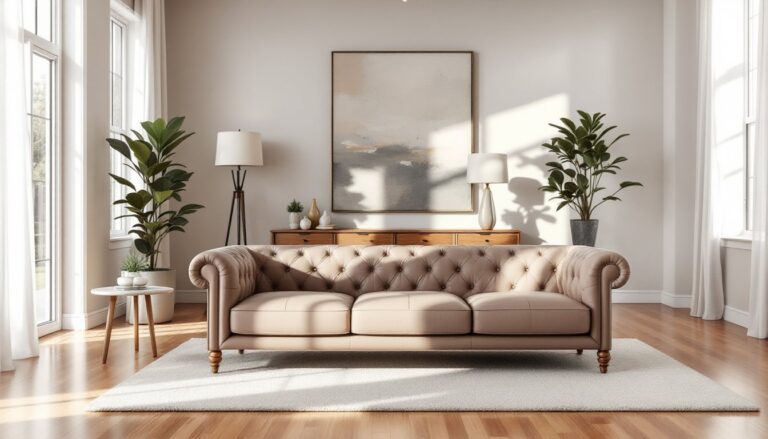
Chesterfield sofas remain iconic for good reason. Deep button tufting, rolled arms, and nailhead trim create a commanding presence in both traditional and transitional spaces. Authentic versions use hand-tied springs and top-grain leather, though quality velvet upholstery has made a strong comeback. They work best in rooms with high ceilings and substantial square footage, Chesterfields in small spaces can overwhelm.
Mid-century modern designs like the classic tuxedo sofa or streamlined Scandinavian silhouettes fit seamlessly into contemporary homes. Clean lines, tapered legs (usually walnut or teak), and low-profile backs make rooms feel larger. These styles often use channel tufting instead of button tufting, and many feature removable cushions for easier maintenance. Look for pieces with solid wood legs that run through the frame, not screwed-on plastic.
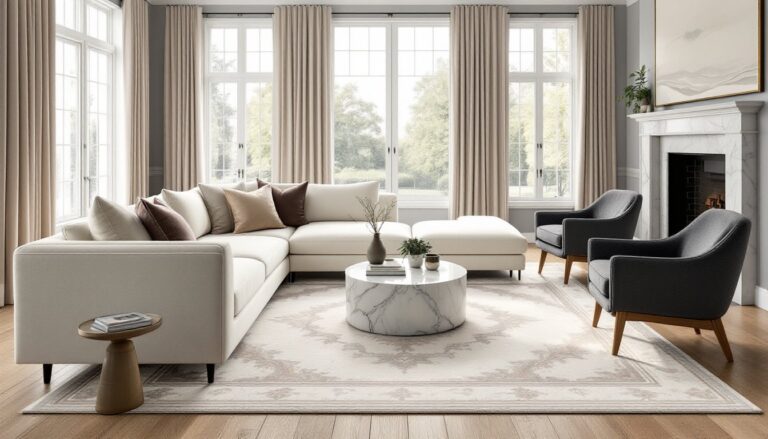
Sectionals offer flexibility but require careful planning. L-shaped configurations anchor open-concept spaces, while U-shaped layouts create defined conversation zones. Modular sectionals with rearrangeable components adapt to future moves or room reconfigurations. Luxury versions feature reinforced corner joints and uniform cushion density across all modules, cheaper sectionals often have weaker corners and inconsistent seating firmness.
Lawson sofas deliver timeless versatility. Their rolled arms sit lower than the back cushions, and loose seat and back cushions allow for easy cleaning and rotation. This style suits both formal and casual settings, and expert upholsterers can customize arm height, cushion firmness, and skirt details to match specific needs. Many designers specify Lawson frames for clients who value adaptability over trendiness.
Designers working on modern luxury homes increasingly specify curved or kidney-shaped sofas that soften angular architecture. These statement pieces require skilled upholstery work, curved frames are harder to build and upholster than straight-lined designs, which drives up cost but creates visual interest that linear sofas can’t match.
How to Choose the Right Luxury Couch for Your Space
Start by evaluating how you actually use your living room. A couch that looks stunning in a showroom can be a disaster if it doesn’t fit your lifestyle. If you host regularly, prioritize durable upholstery and deeper seats (22–24 inches) that accommodate varied body types comfortably. If your living room is primarily for show, you can opt for firmer seating and delicate fabrics.
Consider the room’s sight lines. A couch back that’s visible from the entryway or kitchen should look finished, exposed wood frames, clean upholstery seams, and coordinated fabric or leather. Rooms where the couch sits against a wall allow more flexibility in back panel finishing.
Color and pattern decisions have long-term consequences. Neutral tones (grays, taupes, creams, navy) offer flexibility as decor trends shift. Bold colors or large-scale patterns date quickly unless you’re prepared to reupholster. That said, quality upholstery work can transform a frame, so don’t rule out a structurally sound piece just because the current fabric isn’t ideal.
According to interior design insights from Homedit, texture layering, mixing leather with linen throws, velvet pillows, or woven blankets, adds visual depth without committing to a single bold statement. This approach also protects high-end upholstery from daily wear.
Size, Scale, and Layout Considerations
Measure everything. Your couch needs to fit through doorways, stairwells, and hallways before it matters how it looks in the room. Standard interior doors are 32–36 inches wide: measure the diagonal depth of the couch (from top of back to front of seat) to ensure it’ll make the turn. Some manufacturers offer modular delivery, where arms detach from the main frame for tight spaces.
The 2:3 rule is a good starting point: your couch length should be roughly two-thirds the length of the wall it’s placed against. A 90-inch sofa works well on a 135-inch wall. Going too large makes the room feel cramped: too small makes the couch look like an afterthought.
Clearance distances matter for both aesthetics and function. Leave 14–18 inches between the couch and coffee table for comfortable legroom. Allow 30–36 inches of walkway space behind or around the couch for traffic flow. In smaller rooms, apartment-scale sofas (typically 72–84 inches) prevent overcrowding without sacrificing quality. Many luxury manufacturers offer scaled-down versions of their flagship designs.
Test the seat height and depth before buying. Standard seat height runs 17–19 inches, but taller or shorter individuals may need adjustments. Seat depth (front edge to back cushion) between 21–24 inches accommodates most users: deeper seats look luxurious but can leave shorter people’s feet dangling uncomfortably.
Properties featured in luxury estates often incorporate dual seating zones, a formal living room with a showpiece sofa and a casual family room with a more forgiving sectional. This approach lets homeowners invest in one statement piece without compromising everyday comfort.
Caring for Your Investment: Maintenance Tips for Luxury Couches
Regular maintenance extends a luxury couch’s lifespan from years to decades. Vacuum upholstery weekly using an upholstery attachment to remove dust and debris that abrades fibers. Rotate and flip cushions monthly to distribute wear evenly, this simple habit prevents sagging and keeps fill from compressing unevenly.
Immediate spill response is critical. Blot (don’t rub) liquids with a clean, undyed cloth, working from the outside in to prevent spreading. Avoid over-wetting fabric, which can damage fill or promote mildew. For leather, wipe spills immediately and treat with a pH-balanced leather cleaner every 6–12 months. Condition leather twice yearly in dry climates: once a year in humid areas.
Understand your fabric’s cleaning codes before attempting any treatment:
- W: Water-based cleaner safe
- S: Solvent-based cleaner only (dry-clean)
- WS: Either water or solvent works
- X: Vacuum only, professional cleaning required
For high-investment pieces, budget for professional cleaning every 12–18 months. Technicians with experience in luxury upholstery use pH-neutral solutions and low-moisture techniques that protect delicate fibers. Never use steam cleaners on silk, velvet, or untreated natural fabrics, the heat and moisture can cause irreversible damage.
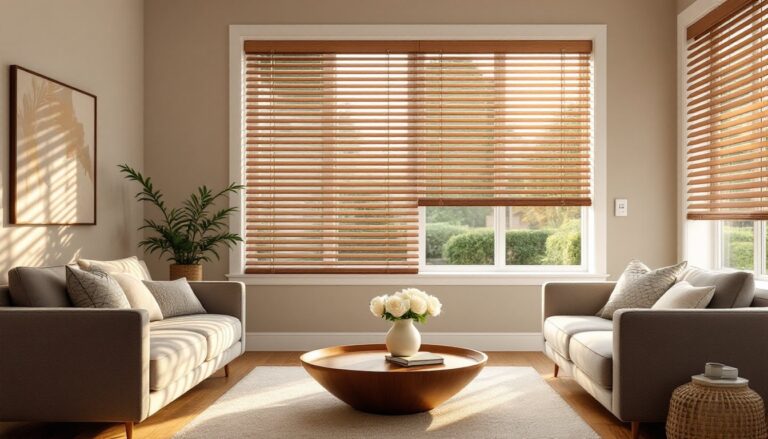
Sunlight protection prevents fading. Direct UV exposure bleaches fabric and dries out leather, causing cracks. Use window treatments during peak sun hours or apply UV-filtering film to windows. Rotate the couch annually if possible to distribute sun exposure.
Expert guides like those on ELLE Decor’s luxury couch roundup emphasize that proper care preserves not just appearance but structural integrity, frame joints stay tight, springs maintain tension, and upholstery resists premature wear.
For homes with pets, consider washable slipcovers for everyday use, removing them when entertaining. Nail caps for cats and regular grooming reduce fabric snags. Leather resists pet damage better than most fabrics, though sharp claws can still scratch. Luxury modern houses often designate pet-free zones or use durable performance fabrics in high-traffic areas.
Storage considerations matter during moves or seasonal home closures. Wrap upholstery in breathable cotton covers, never plastic, which traps moisture and promotes mold. Store in climate-controlled spaces: extreme temperature swings damage frames and cushion fill. Disassemble modular pieces to reduce stress on joints during transport.
Conclusion
A luxury couch is a long-term investment that shapes how a living room functions and feels. Prioritize structural quality, hardwood frames, hand-tied springs, and high-density cushions, over trendy design details that’ll look dated in five years. Measure carefully, test in person when possible, and don’t skip professional delivery and setup. With proper care, a well-built luxury sofa can outlast cheaper replacements by decades, eventually costing less per year of use while delivering superior comfort and style.