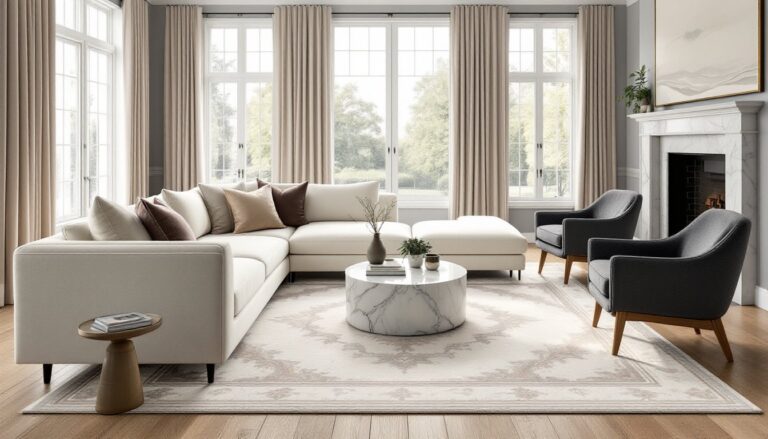
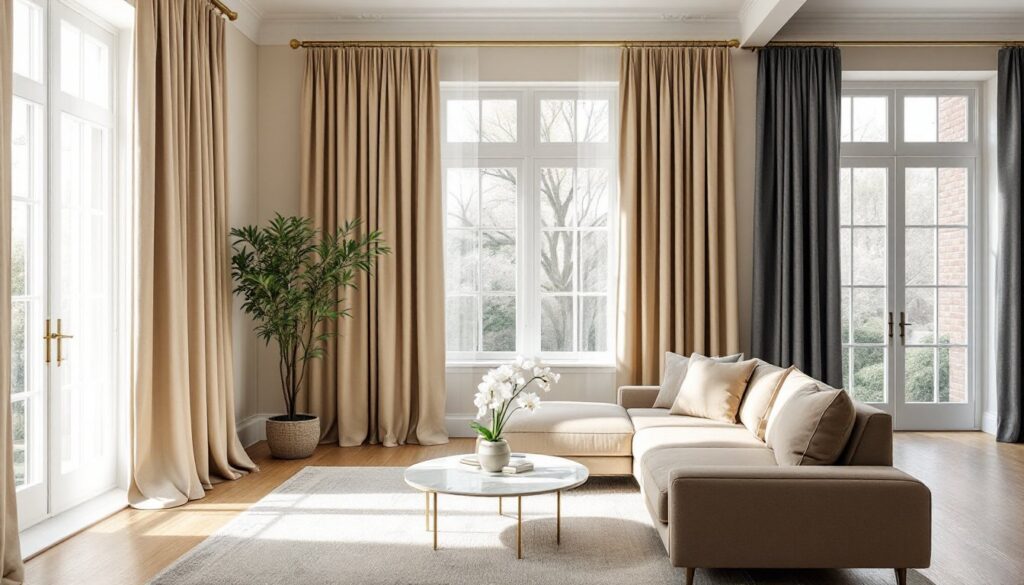
A living room isn’t just furniture and paint, it’s the sum of its details. And few details make as much visual impact as curtains. Luxury curtains elevate a space from “finished” to “magazine-worthy,” controlling light, adding texture, and anchoring the room’s color palette. They’re not just window dressing: they’re soft architecture. Whether renovating a formal sitting room or refreshing a family gathering space, understanding what separates a luxury curtain from a basic panel, and how to choose, install, and maintain them, can make the difference between a room that feels expensive and one that actually looks it.
Table of Contents
ToggleKey Takeaways
- Luxury curtains are defined by fabric weight (8–12+ ounces per yard), full lining or interlining, and quality construction details like hand-stitched hems—not price alone.
- Premium fabrics such as silk blends, European linen, velvet, and wool offer superior drape and durability, while polyester blends marketed as ‘faux silk’ lack the quality and performance of true luxury curtains.
- Proper hanging requires 2–2.5 times fabric fullness, hardware mounted 4–6 inches above the window frame, and rods extended 8–12 inches beyond each side to maximize light and create a polished appearance.
- Color choice dramatically impacts mood and function: neutrals allow art and furniture to stand out, while jewel tones and dark panels work best in spacious rooms with ample natural light.
- Maintenance of luxury curtains includes weekly vacuuming, professional dry cleaning every 12–24 months, and immediate blotting of stains to preserve fabric integrity and extend lifespan.
- Luxury living room curtains serve as soft architecture that controls light, adds texture, and anchors your room’s color palette, making them one of the highest-impact design investments in the space.
What Makes Curtains “Luxury” and Why They Matter
Luxury curtains aren’t defined by price alone. They’re distinguished by fabric weight, construction quality, and finish details that commodity panels skip.
First, weight. Premium curtains use fabrics that measure 8–12 ounces per square yard or more. That heft makes them drape naturally without rippling or sagging, and it gives them better light-blocking and insulation properties. Hold a luxury panel in your hand, it should feel substantial, not flimsy.
Construction matters just as much. Look for fully lined or interlined panels. Lining protects the face fabric from UV degradation and adds body. Interlining (a layer of flannel or cotton batting between face fabric and lining) creates that signature puddled, sculptural drape you see in high-end interiors. Cheap curtains skip both and show it.
Finish details include weighted corners, hand-stitched hems, and covered header tape instead of exposed grommets or plastic clips. These touches aren’t cosmetic, they improve hang, longevity, and appearance.
Why does this matter in a living room? Because curtains occupy a huge vertical plane. They’re among the first things visitors notice. Skimpy, wrinkled panels cheapen even a well-furnished room. Conversely, well-made curtains punch above their weight, lending polish and warmth that paint and furniture alone can’t deliver.
Premium Fabrics That Define Luxury Curtains
Fabric choice drives performance and aesthetics. Here’s what to look for, and what to avoid.
Silk and Silk Blends
100% silk taffeta, dupioni, or shantung delivers unmatched luster and drape. The catch? Pure silk fades quickly in direct sun and requires professional cleaning. Silk-linen blends (typically 60/40 or 50/50) offer similar beauty with better durability. Expect to pay $80–$200 per yard for quality silk fabric.
Linen
European linen (Belgian or Irish) has a crisp, textured hand and natural wrinkle that reads as relaxed elegance. It’s more UV-stable than silk and less formal. Linen softens with age, which some homeowners love and others don’t. It’s also prone to shrinkage, buy pre-washed or order panels 4–6 inches longer than your finished length to allow for take-up after the first cleaning.
Velvet
Cotton velvet or silk velvet adds drama and superior light control. Velvet’s pile scatters light, giving walls and furniture a soft glow. It’s heavy (often 12+ ounces per yard), so it requires robust hardware. Crushed or panne velvets are easier to maintain than cut pile, which shows watermarks and handling marks.
Wool and Wool Blends
Wool curtains are uncommon but exceptional for insulation and sound dampening. Wool resists wrinkles, holds dye beautifully, and has natural flame resistance. Blends with cashmere or mohair add softness without sacrificing structure. Wool works best in traditional or transitional interiors where texture trumps sheen.
What to Avoid
Polyester blends marketed as “faux silk” rarely fool the eye. They lack drape, attract static, and pill over time. If budget is tight, invest in high-quality cotton sateen instead, it’s honest, wears well, and takes dye richly.
Choosing the Perfect Luxury Curtain Style for Your Living Room
Style encompasses heading type, length, and fullness. Get these wrong and even the best fabric falls flat.
Heading Styles
- Pinch pleat (French pleat): The classic. Three-finger pleats create controlled, elegant folds. Requires traverse rods or rings with clips. Works in traditional and formal settings.
- Inverted pleat: Pleats face inward for a cleaner front. Popular in contemporary spaces.
- Ripplefold (wave fold): Pleats travel on a track system to create soft, S-curved waves. Delivers a modern, gallery-like appearance but requires specific hardware (like Ripplefold or S-Fold track systems).
- Rod pocket with back tabs: Hides the rod for a seamless look. Panels don’t slide easily, so best for stationary (decorative) curtains.
Length
Floor-to-ceiling panels visually heighten a room. Mount hardware 4–6 inches above the window frame and extend rods 8–12 inches beyond each side to maximize light when panels are open.
Length options:
- Floating (½ inch above floor): Clean, modern, easier to vacuum under.
- Kissing (just touching): Classic and safe.
- Puddle (2–4 inches on floor): Ultra-formal and dramatic. High maintenance, dust and pet hair collect in folds. Not recommended if you have kids or animals.
For many luxury modern homes, floating or kissing length strikes the right balance between elegance and livability.
Fullness
Curtains should be 2–2.5 times the width of the area they cover. A 10-foot-wide window needs 20–25 feet of fabric (total across both panels) to achieve proper fullness. Skimping here is the fastest way to make expensive fabric look cheap.
Color and Pattern Selection for Maximum Impact
Color and pattern anchor or disrupt a room. Choose deliberately.
Neutrals and Solids
Ivory, linen white, greige, charcoal, and soft taupe are workhorses. They allow furniture and art to lead while adding texture and warmth. Neutrals also photograph well, important if resale or showcasing is on your radar.
In spaces with bold upholstery or busy rugs, solids prevent visual overload. Designer window treatment ideas often lean heavily on texture over pattern for this reason.
Jewel Tones and Saturated Hues
Emerald, sapphire, deep plum, or burnt amber can be stunning in large living rooms with high ceilings and ample natural light. Dark curtains absorb light, so they work best where you have multiple windows or significant square footage. In a smaller room, dark panels can feel heavy unless balanced with light walls and flooring.
Patterns
- Damask, brocade, or jacquard: Tone-on-tone patterns add dimension without color contrast. These work in traditional and transitional spaces.
- Stripes: Vertical stripes elongate: horizontal stripes widen. Use them to manipulate perceived proportions.
- Florals and botanicals: Large-scale prints feel fresh and modern: small-scale ditsy prints read cottage or dated. Choose wisely.
- Geometric: Clean, contemporary, pairs well with mid-century or Scandinavian aesthetics.
When mixing patterns in a room, vary the scale and keep the color family consistent. A large floral curtain, medium geometric rug, and small stripe pillow can coexist if they share a palette.
Undertones Matter
Bring fabric swatches home and view them in the room at different times of day. Morning light skews cool: late afternoon skews warm. A “warm white” curtain can look yellow in northern light. A “cool gray” can read blue. Test before committing to $500–$2,000 worth of custom panels.
Installation Tips for a Professional, Polished Look
Even the most expensive curtains look amateurish if hung poorly. Here’s how to avoid that.
Hardware Selection
Rods should be proportional to panel weight. For heavy velvet or interlined curtains, use 1.5-inch diameter or larger solid metal rods (not hollow). Decorative finials add 4–6 inches per side, account for that when measuring.
For a clean, modern look, opt for ceiling-mounted tracks (like those used in luxury estates) that hide completely behind the header.
Brackets must hit studs or use heavy-duty anchors rated for the combined weight of rod and fabric. A fully dressed 10-foot window in velvet can weigh 15–20 pounds. Drywall anchors alone won’t hold long-term.
Measuring and Mounting
- Determine rod placement. For standard 8-foot ceilings, mount 4–6 inches above the trim. For 10-foot or higher ceilings, you can go higher, just keep proportions balanced.
- Measure width. Extend brackets 8–12 inches beyond the window frame on each side. This lets panels stack off the glass when open, maximizing light.
- Measure length. Measure from the rod (or track) to your desired endpoint (floor or just above). Add seam allowances if hemming custom fabric.
- Level the rod. Use a 4-foot level and mark bracket holes with a pencil. Even a 1-degree tilt is visible over an 8-foot span.
Hanging Panels
- Iron or steam panels before hanging. Wrinkles from packaging don’t always fall out on their own.
- Slide rings or clips onto the rod before mounting it, easier than wrestling with a mounted rod.
- For pinch-pleat curtains, insert drapery hooks into the pleats and hang from rings or a traverse rod track.
- Step back and check that hems are level. Floors aren’t always flat: adjust individual panel lengths if needed.
Safety note: When working overhead, use a sturdy step ladder (not a chair). Wear safety glasses if drilling into ceilings, dust and debris fall directly into your eyes.
Caring for Your Luxury Curtains to Maintain Their Beauty
Luxury fabrics require more attention than off-the-rack polyester. Skip maintenance and you’ll shorten their lifespan by years.
Regular Maintenance
- Vacuum weekly with an upholstery brush attachment. Start at the top and work down to avoid stretching fabric.
- Shake out dust every few weeks. Take panels outside and give them a firm snap, this dislodges dust that vacuuming misses.
- Rotate panels if one side faces direct sun. UV fading is cumulative and irreversible.
Deep Cleaning
Most luxury curtains are dry-clean only. Silk, velvet, and interlined panels can’t tolerate water without shrinking, losing shape, or color bleeding.
- Schedule professional cleaning every 12–24 months, depending on exposure to cooking odors, smoke, or pets.
- If panels are 100% linen or cotton with no interlining, some can be gently hand-washed in cold water with pH-neutral detergent. Lay flat to dry, never wring or tumble. Press while slightly damp using a pressing cloth to avoid shine marks.
Stain Treatment
For spot cleaning:
- Blot (don’t rub) immediately with a clean, dry cloth.
- Test any cleaner on an inconspicuous seam or hem first.
- Use distilled water and a tiny amount of mild detergent. Tap water minerals can leave rings.
- Blot again with a damp cloth to remove soap, then blot dry.
If a stain persists or spreads, stop. DIY attempts on silk or wool can make things worse. Take the panel to a cleaner who specializes in drapery.
Storage
If storing curtains seasonally or during renovations:
- Clean first. Stains set over time, and moths are attracted to food particles and body oils.
- Roll, don’t fold. Folding creates permanent creases in some fabrics.
- Store in a breathable cotton bag (not plastic, which traps moisture). Add cedar blocks or lavender sachets to deter moths.
Conclusion
Luxury curtains do more than cover windows, they shape how a living room feels and functions. The right fabric, style, and installation transform light, add acoustic softening, and tie together disparate design elements. Whether gravitating toward the sculptural drape of silk, the casual elegance of linen, or the enveloping warmth of velvet, the investment pays off in daily comfort and long-term durability. Treat them like the architectural feature they are: measure carefully, hang properly, and maintain consistently. The result is a living room that doesn’t just look polished, it feels intentional.