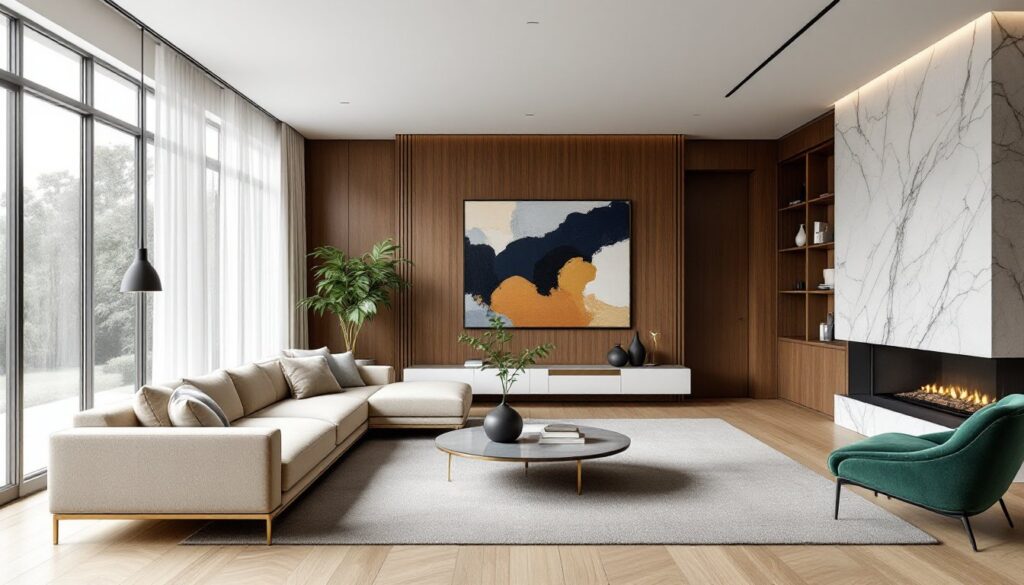
Creating a luxury modern living room isn’t about emptying your wallet on designer labels, it’s about intentional choices that elevate everyday living. Think clean lines, high-impact materials, and a layout that actually works for how you live. Whether you’re renovating a dated space or starting from scratch, the modern luxury aesthetic balances visual drama with livable comfort. This guide breaks down the essential elements, from statement furniture to lighting layers, so you can build a space that feels both elevated and authentic, no interior designer required.
Table of Contents
ToggleKey Takeaways
- A luxury modern living room prioritizes intentional design choices—clean lines, high-quality materials, and curated contrast—over expensive brand names.
- Essential elements like wide-plank hardwood flooring, large area rugs, and layered lighting systems create the visual sophistication that defines modern luxury spaces.
- Statement furniture pieces such as investment sofas and sculptural accent chairs anchor the room, with proper scaling and spacing crucial to avoiding a cramped or empty feeling.
- Natural materials like marble, walnut wood, and performance upholstery fabrics deliver both aesthetic impact and practical durability for modern living rooms.
- Strategic neutral color palettes with texture layering—combining smooth, matte, glossy, and nubby surfaces—add richness without overwhelming the space.
- Functional layout planning with clear traffic flow, conversation-friendly seating arrangements, and integrated storage keeps luxury modern spaces both beautiful and livable.
What Defines a Luxury Modern Living Room?
Luxury modern design strips away the ornate detailing of traditional styles in favor of restrained sophistication. It’s defined by clean architectural lines, uncluttered surfaces, and a focus on quality over quantity. Every piece in the room should earn its place, either through function, visual impact, or both.
The modern part means embracing current materials and technologies. That includes large-format porcelain tile, engineered quartz surfaces, and integrated smart home features that don’t scream “tech.” Luxury enters through craftsmanship: hand-finished wood, stone with natural variation, metals with actual weight to them.
Scale plays a huge role. Oversized art, floor-to-ceiling windows, and furniture with substantial proportions create the visual breathing room that reads as high-end. If your living room ceiling is standard 8-foot height, you can still achieve this by keeping window treatments simple, choosing low-profile furniture, and using vertical elements like tall bookcases or linear pendant lights to draw the eye upward.
Avoid the trap of matching everything. Luxury modern spaces thrive on curated contrast, pairing a sleek glass coffee table with a textured bouclé sofa, or balancing cool marble with warm walnut veneer.
Essential Design Elements for Modern Luxury
Certain elements repeatedly show up in elevated modern spaces because they deliver both visual and practical impact. Start with architectural features: coffered ceilings, wall paneling (shiplap is out: vertical slat walls or fluted panels are in for 2026), and built-in shelving that looks custom even if it’s IKEA with a skilled install.
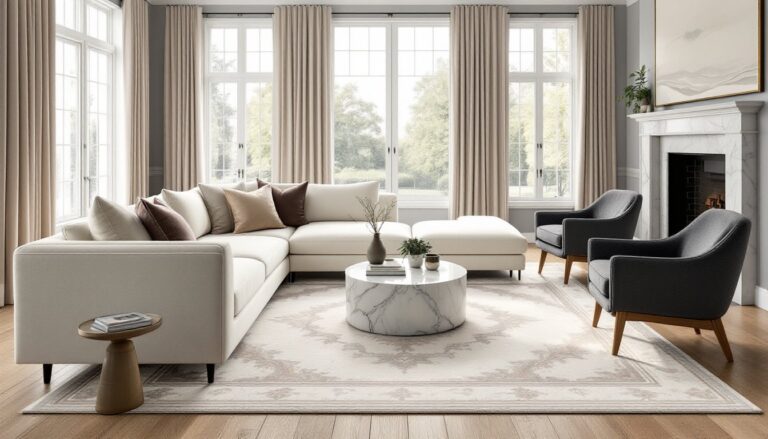
Flooring sets the foundation, literally. Wide-plank hardwood (7-inch planks or wider) in lighter oak or walnut tones creates a contemporary canvas. If you’re working with existing flooring, large-area rugs in natural fibers like wool, jute, or silk blends can redefine the space. Aim for rugs large enough that all front furniture legs rest on them: undersized rugs kill the luxury vibe faster than anything.
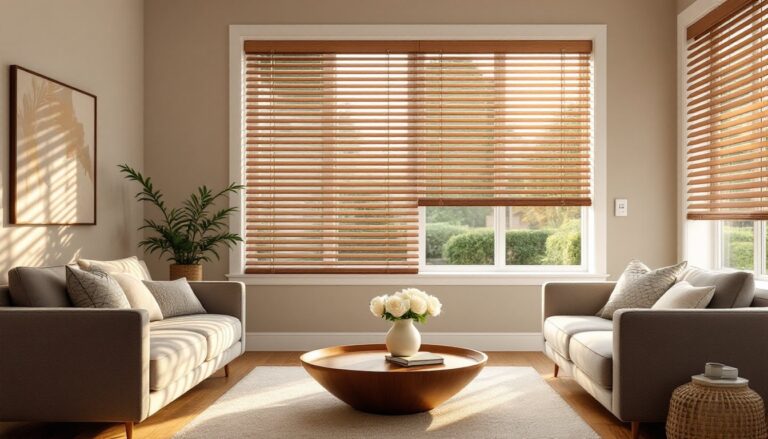
Windows and natural light are non-negotiable. If you can’t add windows, maximize what you have. Swap heavy drapes for sheer linen panels or motorized roller shades in neutral tones. According to recent 2026 living room design trends, personalized, expressive spaces are taking over, which means your window treatments should complement your aesthetic, not default to builder-grade mini blinds.
High-End Materials and Finishes
Natural stone remains the gold standard for luxury accents. A marble or quartzite fireplace surround, a travertine accent wall, or even a stone coffee table base adds instant gravitas. Be aware: real stone requires sealing and maintenance. Honed finishes (matte) show fewer water spots than polished and feel more modern.
Metal accents in brushed brass, aged bronze, or matte black bring warmth and definition. Think drawer pulls, light fixture frames, or metal-framed mirrors. Avoid the builder-grade chrome or shiny nickel that dominated the 2000s.
Wood with visible grain adds organic texture. Look for book-matched veneer panels, live-edge accent pieces, or cerused oak (wire-brushed and filled with contrasting wax). When selecting wood tones, consider the room’s natural light, cooler northern light pairs well with warmer woods like walnut, while bright southern exposure can handle cooler ash or bleached oak.
Upholstery fabrics in performance materials now rival traditional luxury textiles. High-end options like Crypton, Sunbrella’s indoor collections, or leather treated with stain-resistant finishes mean you don’t sacrifice livability for looks. If you have kids or pets, this isn’t optional.
Statement Furniture Pieces That Command Attention
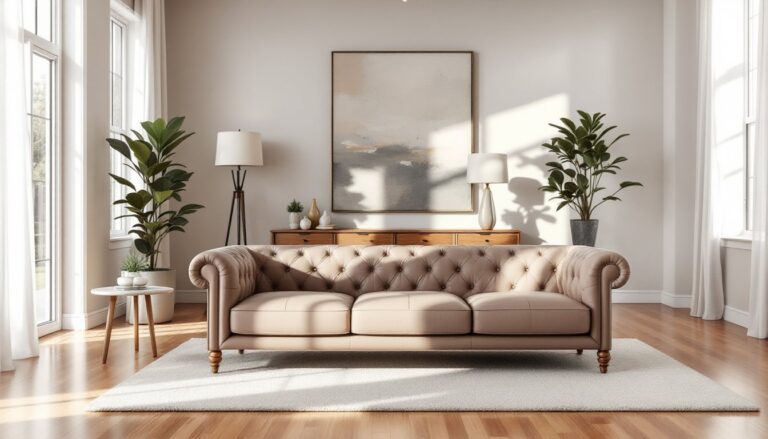
In a modern luxury living room, one or two investment pieces set the tone. The sofa is the obvious starting point, expect to spend $2,000–$8,000+ depending on size, fabric, and frame quality (solid hardwood frames outlast engineered wood). Modular sectionals offer flexibility and that low-slung, contemporary profile, while a classic Chesterfield in leather brings unexpected texture contrast.
Scale your seating to your room. An 8×10-foot living area can’t handle a 120-inch sectional, you’ll feel trapped. Conversely, small-scale apartment furniture looks lost in a 16×20-foot space. Measure twice, order once. Most returns on large upholstery cost 15–20% restocking fees.
Coffee tables should anchor the seating area without blocking pathways. For modern furniture selections, consider mixed materials: a brass base with thick glass top, or concrete paired with blackened steel. Height matters, 14 to 18 inches works for most standard sofas (seat height around 18 inches).
Accent chairs in sculptural shapes or bold fabrics provide visual punctuation. A single statement lounge chair in bouclé, velvet, or top-grain leather can outperform a matched pair of generic club chairs. If you’re DIY-reupholstering an estate-sale find, budget 3–5 yards of fabric for a typical armchair and don’t skip the high-density foam upgrade.
Built-ins or floating credenzas along one wall offer storage without the bulk of traditional entertainment centers. If you’re installing wall-mounted cabinets yourself, locate studs with a quality stud finder (not a phone app, those are wildly inconsistent) and use appropriate wall anchors rated for the load. Hollow-core drywall won’t support a 100-pound credenza: hit studs or use toggle bolts rated for at least 50 lbs each.
Lighting Design: Layering Ambiance and Sophistication
Luxury lighting isn’t one overhead fixture, it’s a layered system of ambient, task, and accent sources on separate controls (ideally dimmers). Start with your ambient layer: recessed LED cans (4-inch or 6-inch) spaced roughly 4–6 feet apart, or a modern flush-mount fixture with high CRI (Color Rendering Index above 90) to accurately show fabric and finish colors.
Statement chandeliers or pendant clusters serve as functional art. Over a seating area, hang fixtures so the bottom sits 30–36 inches above the coffee table or at least 7 feet from the floor for walkways. Go oversized, a fixture that’s too small reads as cheap. For a 12×14-foot room, you can comfortably handle a chandelier 24–30 inches in diameter.
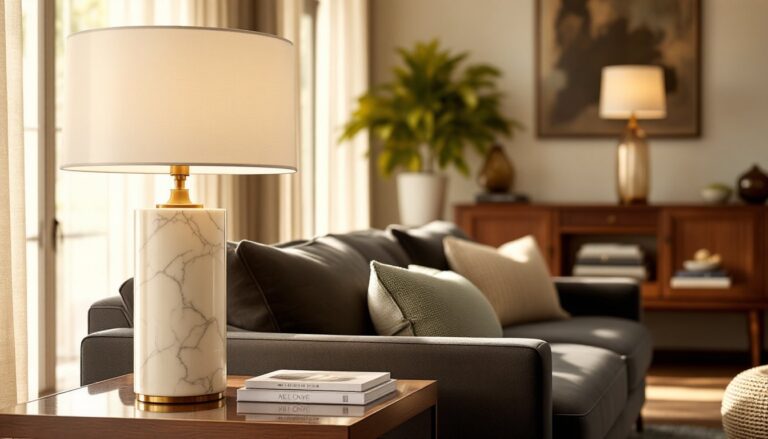
Floor and table lamps add warmth and flexibility. Arched floor lamps bring light exactly where you need it for reading without taking up table space. Choose lamps with three-way switches or compatible smart bulbs so you can adjust brightness for different times of day.
Accent lighting, picture lights on artwork, LED strip lighting in shelving, or uplights behind plants, creates depth and drama after dark. For smart home integration, programmable systems like Lutron Caséta or Philips Hue let you set scenes (“Movie,” “Entertaining,” “Reading”) without touching a switch. If you’re installing new fixtures, consult NEC (National Electrical Code) guidelines and pull permits for hardwired changes, especially if you’re adding circuits. Most jurisdictions require a licensed electrician for anything beyond swapping a fixture on an existing box.
Safety note: Always shut off power at the breaker before any electrical work, verify with a non-contact voltage tester, and never overload a circuit. Standard 15-amp circuits handle up to 1,800 watts: calculate your total load before plugging in multiple high-wattage lamps.
Color Palettes and Textures for Timeless Elegance
Modern luxury palettes lean neutral with strategic pops of depth. Think warm whites, greiges, taupes, and soft grays as your base, Benjamin Moore’s Swiss Coffee, Sherwin-Williams’ Accessible Beige, or Farrow & Ball’s Cornforth White are solid starting points. One gallon of quality paint covers roughly 350–400 square feet with one coat: plan on two coats for even coverage, especially over darker existing colors.
Introduce richness through accent colors in textiles and art: deep emerald, navy, burnt sienna, or charcoal. These show up in throw pillows, area rugs, or a single accent wall (though accent walls are losing favor, consider a full room in a sophisticated mid-tone instead).
Texture is where luxury lives. Layer smooth, matte, glossy, and nubby surfaces: a velvet sofa against linen drapes, a shaggy wool rug under a lacquered side table, grasscloth wallpaper beside a polished plaster fireplace. Mixing textures keeps monochrome schemes from feeling flat.
For those exploring small-space luxury, lighter palettes with high contrast (like white walls with black window frames) visually expand square footage. Darker walls can work in smaller rooms if you commit fully and balance with ample lighting, half-measures just make the space feel dim.
Material transparency adds another layer: glass, lucite, or open metalwork furniture lets light pass through, reducing visual weight. A glass console table or acrylic coffee table keeps sightlines open, helpful in tighter layouts.
Bringing It All Together: Layout and Flow
A luxury space isn’t just beautiful, it functions effortlessly. Start with traffic flow: you should be able to walk through the room without squeezing between furniture or detouring around the coffee table. Maintain at least 30–36 inches of clearance for primary pathways.
Arrange seating to encourage conversation. The ideal setup places sofas and chairs in a U-shape or facing arrangement, 8–10 feet apart. Closer feels crowded: farther kills the intimacy. If your room is long and narrow, create two zones, a seating area at one end and a reading nook or workspace at the other.
Anchor the space with your largest rug and build out from there. Furniture floating in the middle of a room (away from walls) often looks more intentional and high-end than everything shoved against the perimeter. Leave 6–12 inches between furniture backs and walls when you can.
Many modern luxury homes incorporate open-concept layouts, which means your living room likely shares space with dining or kitchen areas. Use area rugs, furniture arrangement, or a half-wall (pony wall) to define zones without blocking sightlines.
Integrate functional storage so the room stays uncluttered. Built-in cabinets, ottomans with hidden storage, or a credenza for media equipment keep surfaces clear. Clutter kills luxury faster than any design choice.
Final reality check: If a layout looks good on paper but feels awkward in person, trust your gut. Live with furniture arrangements for a few days before committing to permanent installations like wall-mounted shelving or hardwired sconces. Painter’s tape on the floor to mark furniture footprints helps you visualize before the delivery truck arrives.
For design inspiration tailored to real homes, resources like Home Bunch and Domino showcase achievable luxury across various budgets and square footages. Adapt ideas to your space rather than replicating them wholesale, that’s how you get a room that feels authentically yours, not a showroom copy.