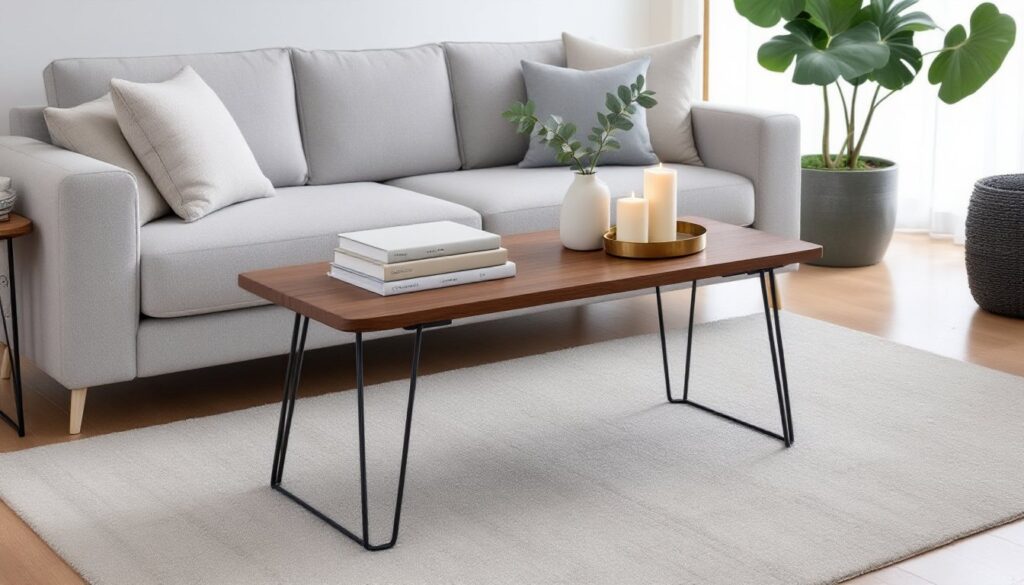
Finding the right coffee table for a tight living room can feel like solving a puzzle. Too big and it dominates the space. Too small and it looks lost. A well-chosen small coffee table strikes that balance, offering function without crowding the floor plan. Whether working with an apartment layout, a cozy den, or just trying to keep sightlines open, compact coffee tables deliver practicality without sacrificing style. This guide walks through the key considerations, from dimensions and materials to styling tricks that make a small table work harder.
Table of Contents
ToggleKey Takeaways
- Small coffee tables (36–42 inches) are ideal for modern living rooms under 200 square feet, maximizing floor space and traffic flow without visual clutter.
- Choose the right height (16–18 inches), leg clearance, and storage features—such as shelves, drawers, or lift-tops—to maximize functionality in compact spaces.
- Measure 14–18 inches from your sofa’s edge and select a table spanning about two-thirds the sofa’s length for balanced proportions.
- Natural wood provides durability and warmth, while glass and metal options create visual lightness; stone and marble add luxury, though at the cost of added weight.
- Style your small coffee table with the rule of three, layered heights, trays for organization, and negative space to keep the room feeling open and intentional.
- Round and oval small coffee tables reduce sharp corners and feel less imposing in tight spaces compared to rectangular designs.
Why Small Coffee Tables Are Perfect for Modern Living Rooms
Modern living spaces trend smaller, especially in urban areas where square footage comes at a premium. A small coffee table, typically 36 to 42 inches in length or diameter, fits proportionally in rooms under 200 square feet without blocking traffic flow.
These compact tables also support flexible furniture arrangements. Sectionals, loveseats, and modular seating configurations often leave less room for oversized centerpieces. A smaller footprint allows homeowners to shift furniture seasonally or for gatherings without wrestling a heavy table out of the way.
Another practical advantage: easier cleaning and maintenance. Vacuuming under a lightweight table takes seconds. Moving it to mop or rearrange is a one-person job, not a project.
Small coffee tables also work well in multi-purpose rooms. A living room that doubles as a home office or play area benefits from furniture that doesn’t monopolize floor space. When the room needs to serve different functions throughout the day, a compact table adapts without compromise.
Essential Features to Look for in a Small Coffee Table
Height matters more than most people realize. Standard coffee table height runs 16 to 18 inches, roughly level with sofa seat cushions. Go lower and reaching for a drink becomes awkward. Go higher and the table visually cuts the room in half.
Storage turns a small table into a multitasker. Look for models with lower shelves, drawers, or lift-top mechanisms. A shelf underneath holds remotes, magazines, or coasters, keeping the top surface clear. Drawer-equipped tables hide clutter without adding visual bulk. Lift-top designs create a workspace or dining surface that tucks away when not in use.
Leg clearance affects both function and aesthetics. Tables with four corner legs or a pedestal base allow feet to slide underneath when sitting close. Sled-style bases or wide aprons can block toe space, making the seating area feel cramped.
Weight and mobility impact daily use. A table that’s too light tips easily, especially with kids or pets around. Too heavy and rearranging becomes a chore. Solid wood or stone tops add stability: metal or engineered wood keeps things manageable. Some designs include casters or glides, making repositioning effortless.
Edge profile deserves attention in tight quarters. Rounded or beveled edges reduce the chance of bruised shins. Sharp corners on a small table positioned in a traffic path become a daily hazard, especially in households with young children.
Top Styles and Materials for Compact Coffee Tables
Material choice affects durability, maintenance, and how the table fits the room’s aesthetic. Each option carries trade-offs worth considering before purchase.
Wood and Natural Materials
Solid wood tables, oak, walnut, maple, or teak, bring warmth and longevity. A well-built hardwood table can last decades with minimal care. Look for joinery like mortise-and-tenon or dovetails rather than stapled particleboard. Real wood does require occasional conditioning to prevent drying or cracking, especially in low-humidity climates.
Engineered wood (MDF or plywood core with veneer) costs less and resists warping better than solid lumber. Quality veneers can be difficult to distinguish from solid wood at a glance. The downside: engineered tops can’t be sanded and refinished if damaged.
Rattan, wicker, or bamboo tables suit coastal or bohemian interiors. These materials are lightweight and add texture, though they’re less durable under heavy use. They work best in low-traffic homes or as secondary tables.
Glass and Metal Options
Tempered glass tops create visual lightness, helpful in small rooms where a solid surface might feel heavy. Tempered glass is about five times stronger than standard glass and shatters into pebble-like pieces if broken, reducing injury risk. The trade-off: fingerprints and smudges show quickly. Plan on wiping down glass tops daily in active households.
Metal frames, steel, aluminum, or powder-coated iron, pair well with industrial, modern, or mid-century designs. Metal legs take up less visual space than chunky wood bases. Check welds and joints for quality: cheap metal tables can wobble or develop squeaks. Powder coating protects against rust and scratches better than bare or painted finishes.
Marble or stone tops deliver luxury and heft. A small marble-topped table adds a high-end touch without the cost of a full-size piece. Stone is nearly indestructible but requires sealing to prevent stains from coffee, wine, or acidic foods. Stone tables also weigh considerably more, expect to need help moving them.
How to Measure and Choose the Right Size
Start by measuring the seating area, not the entire room. A coffee table should sit roughly 14 to 18 inches from the front edge of the sofa or chairs. Closer than 14 inches and legroom disappears. Farther than 18 inches and reaching the table becomes a stretch.
Next, consider table length relative to seating. A good rule: the table should span about two-thirds the length of the sofa. For a 72-inch sofa, a table around 48 inches long looks balanced. Smaller sofas or loveseats (60 inches or less) pair well with tables in the 36- to 42-inch range.
Shape impacts flow and proportion. Rectangular tables fit traditional seating arrangements and offer more surface area for their footprint. Round or oval tables suit tight spaces better, no sharp corners to navigate, and they often feel less imposing. Square tables work in symmetrical layouts or with sectionals that form an L-shape.
For homes following modern furniture arrangements, scale matters as much as measurements. A bulky table with thick legs and a heavy apron can look oversized even if the dimensions technically fit. Conversely, a slender-legged table with a slim profile may work in a space that “should” require something larger.
Traffic patterns deserve a walk-through test. After positioning the table, walk around the room as you normally would. Can you move between furniture without turning sideways? If the table forces detours or awkward angles, it’s too big, even if the tape measure says otherwise.
Finally, account for additional furniture in the room. Side tables, ottomans, or floor lamps compete for the same real estate. A room packed with accent pieces benefits from a smaller coffee table that doesn’t add to the visual clutter.
Styling Tips to Maximize Your Small Coffee Table
A small surface area means every item on the table should earn its spot. Start with the rule of three: group objects in odd numbers for visual interest. A small stack of books, a candle, and a plant create balance without crowding.
Layering heights adds dimension. Use books or a decorative box to elevate smaller objects. This keeps the eye moving and prevents the tabletop from looking flat. Avoid placing everything at the same level.
Trays are essential for corralling small items. A tray holds remotes, coasters, or a couple of candles while keeping the look organized. Trays also make it easy to clear the table when extra surface space is needed, just lift and move.
Leave negative space. A cluttered coffee table in a small room amplifies the cramped feeling. Aim to keep at least 30 to 40 percent of the surface clear. This breathing room makes the whole room feel larger.
Many small space strategies emphasize dual-purpose decor. A decorative bowl can hold keys or remotes. A stack of oversized art books doubles as a laptop stand. Choose items that look good and solve a problem.
Seasonal swaps keep the table from looking stale. Rotate decor every few months, a bowl of shells in summer, a lantern in fall, greenery in spring. This freshens the room without requiring new furniture.
For rooms that need flexibility, consider nesting tables as an alternative. Two or three tables that stack together take up the footprint of a single small table but can separate for entertaining or extra surface area. They’re especially useful in multi-purpose rooms.
Finally, consider the view from above. The coffee table is often one of the first things visible when entering a room. Step back and look at the whole vignette, sofa, rug, table, and decor, as a composition. Adjust until it feels balanced. Following contemporary design principles can help refine the overall aesthetic without overcomplicating the setup.
A small coffee table isn’t a compromise, it’s a smart choice for modern living. With the right dimensions, materials, and styling, a compact table anchors a room, adds function, and opens up floor space. Measure carefully, choose quality over size, and style with intention. The result is a living room that feels open, organized, and ready for real life.