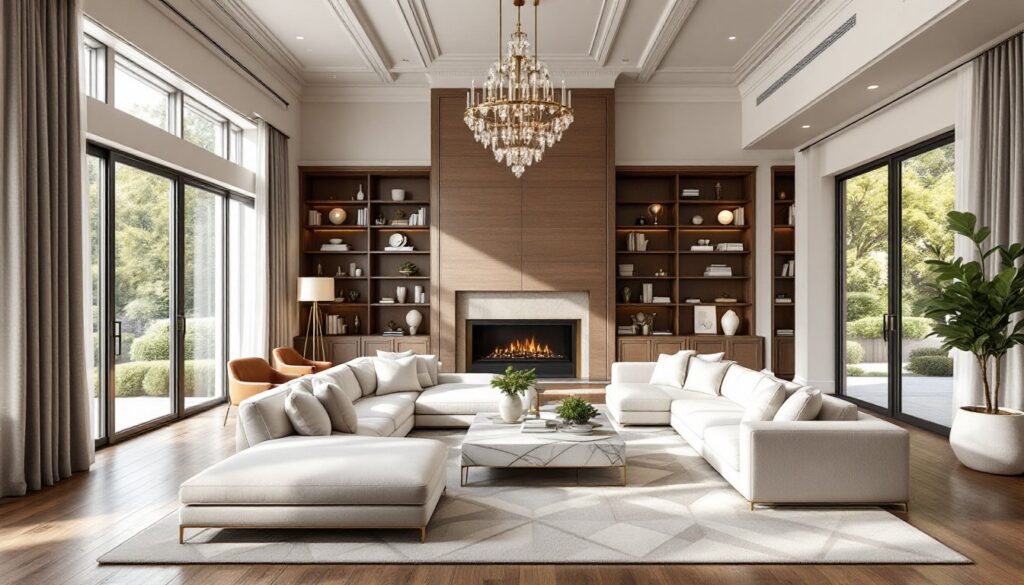
Designing a luxury mansion living room isn’t about stuffing expensive furniture into a big space and calling it done. It’s about creating a cohesive, high-end environment that balances architectural drama with livability. Whether you’re renovating an existing estate or building from the ground up, understanding what separates a truly luxurious living room from a merely large one will save you from costly missteps. This guide walks through the structural, material, and design choices that define mansion-grade living spaces, no fluff, just the features and finishes that matter.
Table of Contents
ToggleKey Takeaways
- A true luxury mansion living room is defined by ceiling height (12–20+ feet), architectural integrity, and premium materials rather than size alone, with structural features like coffered ceilings and solid hardwood millwork that can’t be easily added later.
- Functional zoning in luxury mansion living rooms requires planning for multiple areas—primary seating, secondary conversation zones, and display areas—each with separate lighting and traffic flow designed during the framing stage.
- Premium materials including 3/4-inch solid hardwood flooring in wide planks, Venetian plaster finishes, thermally broken windows, and natural stone tile ($15–$50+ per square foot) create the high-end finishes that separate luxury from standard construction.
- Lighting in luxury living spaces demands layered design with ambient, task, and accent sources on separate dimmers; a single chandelier cannot adequately illuminate a 1,000-square-foot room or larger.
- Furniture should be scaled to proportions with oversized sectionals (10–14 feet), kiln-dried hardwood frames, and eight-way hand-tied springs ($3,000–$15,000+), while neutral base color palettes with layered textures in metallics, woods, and fabrics maintain timeless sophistication.
What Defines a Luxury Mansion Living Room?
A luxury mansion living room is defined by scale, quality, and intentional design, not just square footage. These spaces typically start around 500 square feet and can exceed 1,500 square feet in grand estates, but size alone doesn’t create luxury. What matters is ceiling height (usually 12 to 20+ feet), architectural integrity, and the seamless integration of premium materials.
True luxury rooms incorporate structural features that can’t be easily added later: coffered ceilings, crown molding profiles of 8 inches or more, floor-to-ceiling windows with thermally broken frames, and millwork built from solid hardwoods rather than veneered MDF. The difference between high-end and standard construction shows up in details like hand-scraped hardwood floors (3/4-inch solid, not engineered), walls finished with Venetian plaster or custom paneling, and trim joints that meet at perfect 45-degree miters without caulk fills.
These rooms also demand functional zoning. A 900-square-foot living room might include a primary seating area, a secondary conversation zone, and a bar or display area, each with its own lighting plan and purpose. The layout should allow traffic flow without cutting through seating arrangements, which often means working with an interior designer or architect during the framing stage to position structural elements correctly.
Essential Design Elements for High-End Living Spaces
Architectural Features That Elevate the Space
Architectural bones make or break a luxury living room. Coffered ceilings add depth and visual interest, standard versions use 10-to-12-inch beams on a grid, but custom installations can incorporate recessed lighting, hand-carved details, or contrasting wood stains. If you’re building new or doing a gut renovation, specify this during framing: retrofitting coffered ceilings into finished spaces is expensive and often compromises structural members.
Millwork and paneling should be solid wood, not MDF with veneer. Popular choices include walnut, oak, or mahogany in both modern slab styles and traditional raised-panel designs. Budget around $80 to $200+ per linear foot installed for custom millwork, depending on wood species and complexity. Wall paneling can be full-height or wainscot-style (typically 36 to 48 inches high): full-height installations work better in rooms with ceilings above 10 feet.
Fireplaces remain a focal point in luxury living rooms. Modern linear gas fireplaces (often 5 to 8 feet wide) suit contemporary estates, while traditional wood-burning units with custom stone or marble surrounds anchor classic designs. If you’re adding a fireplace, verify local building codes, most jurisdictions require non-combustible hearth extensions of at least 16 inches in front and 8 inches to each side, plus proper venting per IRC Chapter 10 or NFPA 211. Hire a licensed contractor for any gas line or venting work.
Built-in shelving and cabinetry should be designed as furniture-quality pieces. Specify full-extension drawer slides rated for 100+ pounds, soft-close hinges, and interior finishes that match the exterior. Display lighting inside glass-front cabinets adds another layer of refinement.
Premium Materials and Finishes
Material selection separates luxury spaces from standard builds. For flooring, 3/4-inch solid hardwood in wide planks (7 to 12 inches) or natural stone tile (marble, limestone, travertine) are go-to choices. Engineered wood can work in areas with moisture concerns, but stick to premium grades with at least a 4mm wear layer. For stone, expect $15 to $50+ per square foot installed, depending on type, finish, and pattern complexity.
Wall finishes should go beyond paint. Venetian plaster creates a subtle, hand-troweled texture: Grasscloth or silk wallcoverings add warmth: and large-format porcelain panels (up to 5 by 10 feet) can mimic marble or concrete without the weight. If painting, use low-VOC, high-hide paints with at least a satin finish, flat paints show imperfections in high-traffic areas. Premium paints typically cover 350 to 400 square feet per gallon on smooth surfaces.
Trim and molding should be proportional to room height. For a 14-foot ceiling, baseboards of 8 to 12 inches and crown molding of similar scale keep the room balanced. Paint-grade MDF works for painted finishes, but stain-grade rooms require solid wood profiles. Many modern luxury home designs use minimalist reveals or shadow gaps instead of traditional molding, this requires precise drywall finishing, since there’s no trim to hide imperfections.
Windows deserve special attention. Thermally broken aluminum or clad wood frames are standard in luxury builds, with low-E glass and argon fills for insulation. Floor-to-ceiling installations often require structural headers sized by an engineer, especially in load-bearing walls. Don’t skip this step, undersized headers can cause cracking and long-term settling.
Furniture Selection for Luxury Living Rooms
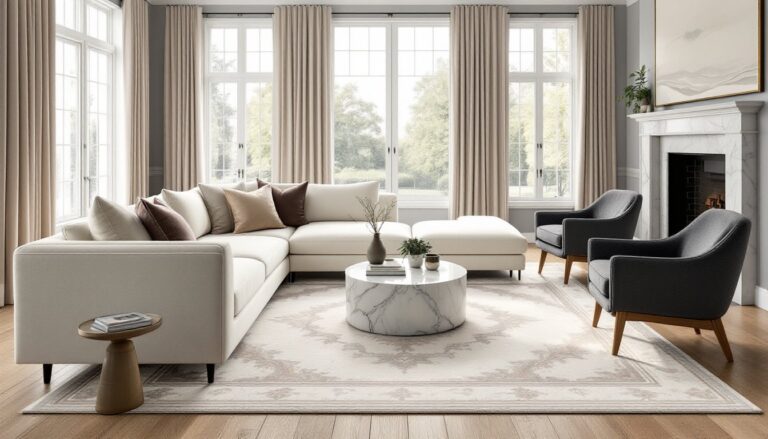
Furniture in a mansion-scale living room must suit the proportions of the space. Oversized sectionals (10 to 14 feet long) or multiple seating groups prevent the room from feeling empty. Look for frames built from kiln-dried hardwood (not particleboard or softwood), eight-way hand-tied springs, and high-density foam (1.8+ density rating). Budget $3,000 to $15,000+ for a quality sectional, depending on size, fabric, and construction.
Coffee tables and consoles should be substantial, a 60-to-72-inch coffee table works in a large seating area, and materials like solid wood, marble, or metal with a hand-applied patina hold up better than veneered pieces. Avoid glass tops in homes with kids or pets unless you’re prepared for constant cleaning.
Custom built-in seating along windows or in alcoves maximizes space and adds architectural interest. Specify plywood substrate (not MDF) for moisture resistance, and use upholstery-grade foam with a minimum 2-inch thickness. Window seats should be sized at 17 to 19 inches high for comfortable seating.
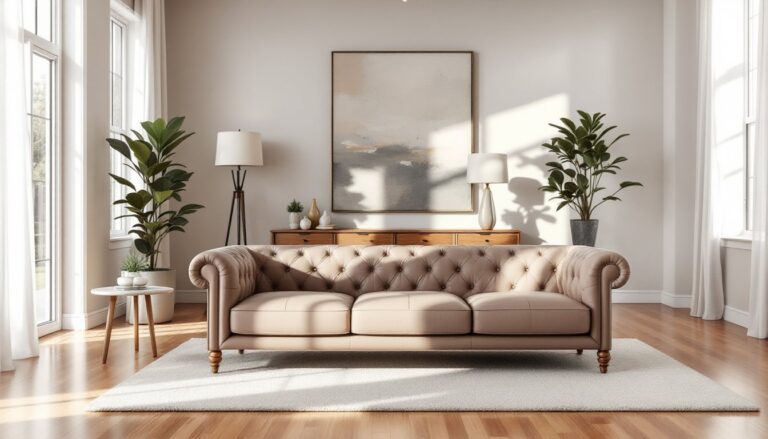
Choosing between modern and traditional furniture often depends on the home’s architecture. Contemporary estates with clean lines and open plans suit low-profile, streamlined pieces, while homes with detailed millwork and classic proportions call for traditional silhouettes with turned legs and tufted upholstery. Mixing styles can work, but it requires a skilled eye, when in doubt, consult a designer.
If you’re furnishing a luxury family homes living room, prioritize durable, cleanable fabrics like performance velvets or crypton-treated textiles. These handle spills and wear better than untreated silks or linens without sacrificing visual appeal.
Lighting Strategies That Create Ambiance
Lighting in a luxury living room requires layering: ambient (general), task, and accent sources on separate circuits with dimming capability. A single chandelier won’t cut it in a 1,000-square-foot room.
Ambient lighting comes from recessed cans, cove lighting, or oversized fixtures. For recessed lights, use 5-or-6-inch IC-rated housings with LED trims (3000K color temperature for warm white). Space them 4 to 6 feet apart and at least 3 feet from walls to avoid shadows. Wire them on dimmers, Lutron or Leviton dimmers handle LED loads without flickering if you match the dimmer type to bulb specs.
Chandeliers and pendants should be scaled to the room. For a dining height of 9 feet, a chandelier can be 36 to 48 inches in diameter: for higher ceilings, add 3 inches of diameter per additional foot of ceiling height. Hang the fixture so the bottom is 7 to 7.5 feet above the floor in open areas, or 30 to 36 inches above a table surface.
Accent lighting highlights art, architectural features, or built-ins. Use adjustable track heads or picture lights with beam angles between 15 and 40 degrees depending on the subject size. LED strips hidden in crown molding or behind panels create indirect washes of light, pair with aluminum channels and diffusers to avoid visible hot spots.
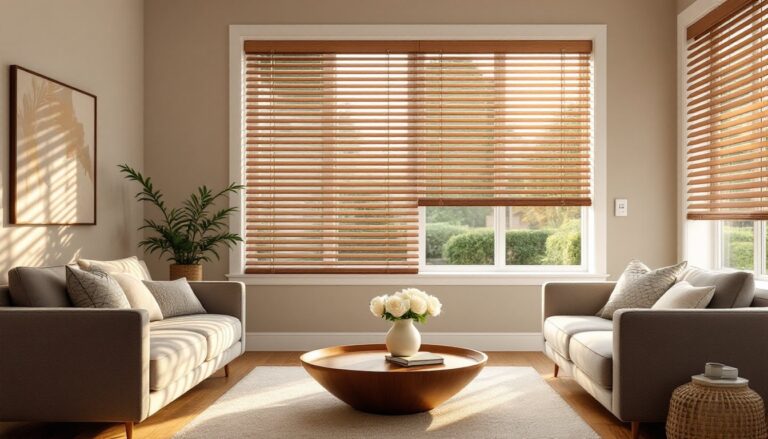
Natural light control is equally important. Motorized shades or drapery allow precise control and work with home automation systems. Sheer layers filter daylight without blocking views, while blackout linings provide privacy. Mount hardware inside the window frame for a clean look, or above and beyond the frame to maximize glass exposure. Many designers now specify luxury home photography early in the process to capture spaces at optimal lighting conditions.
All lighting work involving new circuits or junction boxes requires a licensed electrician and must meet NEC standards (National Electrical Code). DIYers can swap fixtures on existing boxes, but running new wire or installing recessed cans in insulated ceilings is best left to pros.
Color Palettes and Textures for Sophisticated Interiors
Luxury living rooms often employ neutral base palettes with layered textures to add depth. Think warm whites, soft grays, taupes, and creams as wall and large-furniture colors, accented with richer tones in pillows, throws, and art. This approach keeps the space timeless and allows you to update accessories without full-scale repaints.
Monochromatic schemes in shades of gray or beige create a sophisticated, cohesive look, vary the intensity and finish (matte, satin, gloss) to prevent flatness. Accent walls in deeper hues like navy, charcoal, or forest green add drama without overwhelming the room: limit these to one wall or an architectural feature like a fireplace surround.
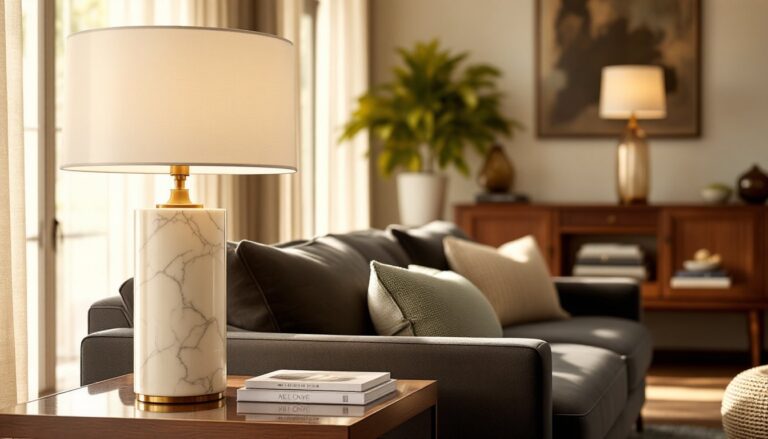
Metallic finishes (brass, bronze, brushed nickel, or matte black) should be consistent throughout hardware, lighting, and accessories. Mixing metals can work if you stick to a dominant finish (70%) and a complementary accent (30%). According to recent best living rooms of 2025, warm brass and bronze tones are trending in high-end interiors.
Texture layering is where luxury shines. Combine smooth leather or velvet upholstery with nubby wool rugs, linen drapery, and polished stone surfaces. Area rugs should be large enough that all front furniture legs rest on the rug, 9 by 12 feet or larger for most mansion living rooms. Natural fiber rugs (jute, sisal) add casual texture, while hand-knotted wool or silk rugs bring formality.
Wood tones should be intentional. Matching all wood to one species can feel flat: instead, use one dominant tone (warm oak, cool walnut) and introduce a contrasting accent in smaller doses. Avoid more than two wood tones in one sightline unless you’re aiming for an eclectic maximalist look.
For those interested in broader high-end interior trends, resources like Home Bunch provide curated examples of material pairings and color strategies used in luxury builds. Platforms showcasing luxury properties often feature living rooms that demonstrate successful color and texture integration at scale.