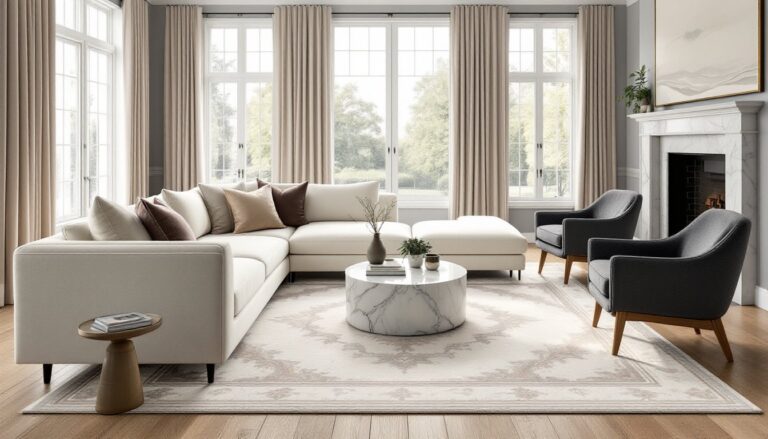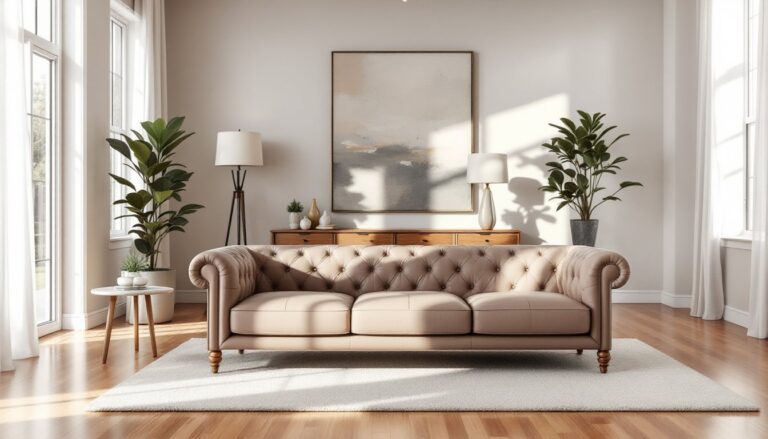
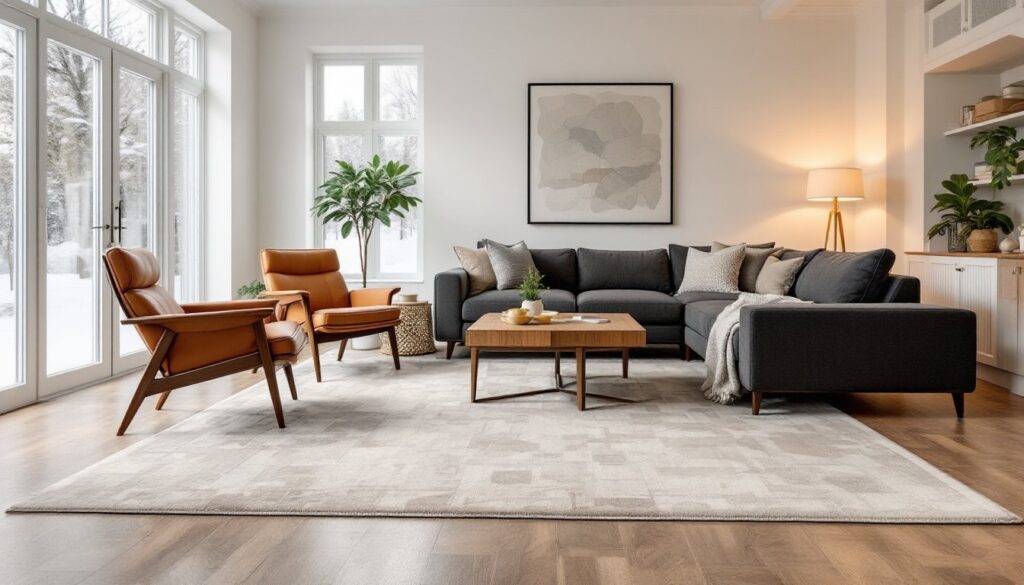
A luxury rug changes everything about a living room, not because it’s expensive, but because it grounds the entire space with intention. The right one anchors furniture, absorbs sound, adds warmth underfoot, and signals that someone cares about the room beyond just filling it. Budget rugs fade, shed, and buckle within a year or two. Luxury options last decades if treated properly, developing character rather than looking worn. This guide walks through what separates a luxury rug from a standard one, how to size it correctly, which materials hold up best, and where to place it so it actually does its job.
Table of Contents
ToggleKey Takeaways
- Luxury area rugs for living room are defined by construction quality (300+ knots per square inch), natural materials like wool and silk, and durability rather than price alone—they last 20-50 years versus 1-2 years for budget alternatives.
- Proper sizing means ensuring at least the front legs of all seating pieces rest on the rug; an 8×10 or 9×12 works for standard living rooms, while larger spaces need 10×14 or 12×15 to avoid visual disconnection.
- Wool and wool-blend rugs are the best choice for living rooms with kids or pets, offering natural stain resistance, temperature regulation, and proven longevity when vacuumed weekly and professionally cleaned every 12-18 months.
- Placement matters as much as selection—center the rug on the seating area rather than the room, pull furniture 12-18 inches from walls, and always use quality felt-rubber pads to prevent slipping and protect hardwood floors.
- Luxury area rugs with hand-knotted construction, vegetable-based dyes, and substantial weight develop character over time and can appreciate in value, making them true long-term investments rather than temporary decor.
What Makes an Area Rug ‘Luxury’?
Luxury isn’t about price alone, it’s about construction, materials, and longevity. A hand-knotted rug with 300+ knots per square inch will show finer detail and hold up longer than a machine-made piece with 100 knots per square inch. More knots mean tighter weave, which translates to durability and clarity in patterns.
Natural fibers dominate the luxury category: silk, wool, and high-grade cotton. Synthetic rugs, polypropylene, polyester, can look decent initially but compress quickly under furniture weight and don’t breathe like natural materials. They also develop static and attract dust.
Hand-knotted, hand-tufted, and flatweave construction all qualify as luxury, but hand-knotted takes the longest to produce (sometimes six months for a single 9×12 rug) and delivers the most intricate designs. Hand-tufted rugs are faster to make but still artisan-made, with loops punched through a canvas backing and then sheared or left looped. Flatweaves like kilims lack pile, making them reversible and ideal for high-traffic areas.
Dye quality matters. Vegetable-based or chrome dyes resist fading far better than chemical alternatives. Rugs dyed in small batches show subtle color variation, called abrash, which adds depth rather than looking like a factory product.
Weight is another tell. Pick up the corner of a luxury wool rug and it should feel substantial, not flimsy. A quality 9×12 wool rug often weighs between 40 and 70 pounds, depending on pile height and density.
Choosing the Perfect Size for Your Living Room
Undersizing ruins proportion. The rug should be large enough that at least the front legs of all seating pieces rest on it, couches, chairs, ottomans. This visually ties the furniture grouping together. If only the coffee table sits on the rug, the room looks disconnected.
For a standard living room with a sofa and two chairs, an 8×10 or 9×12 rug works in most layouts. Larger rooms, 14 feet wide or more, often need a 10×14 or even 12×15 to avoid the “postage stamp” effect. Measure the furniture footprint first, then add 18 to 24 inches on all sides if possible. That margin keeps the rug from looking cramped.
If the room is small or the budget is tight, go with a size that fits all furniture legs rather than a smaller rug with nothing on it. A 6×9 with legs on it beats an 8×10 floating in the middle with furniture pushed to the walls.
In open-plan homes, the rug defines the living zone. Use it to separate the seating area from the dining area or entryway. The edges of the rug act as invisible walls.
Avoid blocking doorways or having the rug run under doors. Leave at least 6 inches of clearance from door swings. Also, keep the rug at least 4 to 6 inches away from baseboards on all sides to frame the floor rather than wall-to-wall it, which can make a room feel smaller.
Top Materials for Luxury Living Room Rugs
Material choice directly affects durability, feel, and maintenance. Each fiber has trade-offs.
Silk and Viscose Rugs
Silk delivers unmatched sheen and detail. It’s the go-to for showcasing intricate Persian or traditional patterns because the fine fibers hold dye brilliantly and allow tight knotting. A pure silk rug can exceed 400 knots per square inch, making designs look almost photographic.
But silk is fragile. It stains easily, shows footprints, and doesn’t tolerate heavy furniture or high foot traffic. Use silk rugs in formal living rooms or low-traffic areas. They’re best as statement pieces rather than workhorses. Many designers recommend silk and wool blends, typically 20-30% silk, for a compromise of sheen and strength.
Viscose (also called art silk or rayon) mimics silk’s luster at a fraction of the cost. It’s plant-based and sustainable but less durable. Viscose rugs crush under furniture, water-stain permanently, and are difficult to clean. They work in bedrooms or sitting areas but not main living rooms with kids or pets. When shopping luxury modern houses, silk rugs often appear in formal parlors rather than family rooms.
Wool and Wool Blends
Wool is the workhorse of luxury rugs. New Zealand wool and Tibetan highland wool are premium grades, long fibers, natural lanolin content, and excellent resilience. Wool naturally resists staining (to a point), doesn’t show wear as quickly as synthetics, and regulates temperature, keeping floors warm in winter and cool in summer.
A quality wool rug can last 20 to 50 years with proper care. Vacuum regularly (once a week in high-traffic areas), rotate every six months to even out wear, and have it professionally cleaned every 12 to 18 months. Spot-clean spills immediately with cold water and a clean towel, heat sets stains in wool.
Wool and silk blends combine durability with luster. A typical blend is 80% wool, 20% silk. The wool provides structure, the silk adds highlights in the pattern.
Some luxury rugs use hand-spun wool, which creates slight texture variation and a more artisanal look. Machine-spun wool is more uniform but lacks that handmade character. Both are durable: it’s a style preference.
Design Styles That Define Luxury
Style should complement the room, not fight it. Luxury doesn’t mean ornate, it means intentional.
Traditional Persian and Oriental rugs remain classic choices: intricate medallions, botanical motifs, rich reds, blues, and golds. These work in spaces with wood furniture, crown molding, or classic architecture. They’re heirloom pieces. Genuine hand-knotted Persian rugs, Tabriz, Kashan, Isfahan, appreciate in value over time if maintained.
Contemporary and abstract designs suit modern interiors: bold geometrics, watercolor washes, monochromatic palettes. Designers at Architectural Digest frequently feature oversized abstract rugs in minimalist living rooms to add texture without pattern overload. These rugs often use low pile or flatweave construction.
Transitional styles bridge traditional and modern: simplified floral patterns, muted color palettes (grays, taupes, soft blues), and less ornate borders. They’re versatile and pair with both mid-century modern and traditional furniture.
Natural and textured rugs, jute, sisal, seagrass, or wool in chunky weaves, add organic warmth. They’re trending in coastal and Scandinavian interiors. Be aware that natural fiber rugs can be rough underfoot and harder to clean than wool. They’re also prone to moisture damage in humid climates.
Color choice affects perceived size and light. Light rugs make small rooms feel larger but show dirt faster. Dark rugs ground a space but can shrink it visually. Medium tones with pattern variation are the most forgiving and versatile.
Pile height changes the room’s feel. Low pile (under 0.5 inches) is sleek, modern, easier to vacuum, and works under dining tables or in high-traffic zones. Medium pile (0.5 to 0.75 inches) balances comfort and practicality. High pile or shag (over 1 inch) adds softness and sound absorption but vacuums poorly and shows furniture dents.
How to Place Your Rug for Maximum Impact
Placement is as important as size. A beautiful rug in the wrong spot wastes money.
In a standard living room, center the rug on the seating area, not the room itself. The coffee table should sit fully on the rug, with at least the front legs of the sofa and chairs also on it. If you can fit all four legs of each piece on the rug, even better, it’s the most cohesive look.
For L-shaped or sectional sofas, the rug should extend under the entire footprint of the sectional, or at minimum under the front legs of each section. A rug that only covers the middle looks like an afterthought.
Avoid floating a rug in the center of the room with all furniture pushed against the walls. That setup worked in the 1990s: it doesn’t now. Pull furniture away from the walls by 12 to 18 inches to create a conversation zone with the rug anchoring it.
If the living room doubles as a walkway to other rooms, orient the rug to define the seating area without blocking the traffic path. Use the rug to direct flow, not obstruct it.
Layering rugs, placing a smaller decorative rug over a larger neutral one, can add dimension in eclectic or boho interiors, but it’s tricky. The base rug should be flatweave or very low pile so the top rug doesn’t shift. This technique works best in luxury estates with expansive rooms where a single rug would be prohibitively expensive.
Furniture weight can dent high-pile rugs. Use furniture coasters or felt pads under sofa and chair legs to distribute weight and prevent crushing. Rotate the rug every six months so wear patterns even out.
Rug pads are non-negotiable. A quality felt and rubber pad prevents slipping, protects hardwood floors from dye transfer, and adds cushioning. The pad should be trimmed 1 inch smaller than the rug on all sides so it’s invisible. Don’t use cheap PVC pads, they yellow and stick to floors over time. Expect to spend $50 to $150 on a good pad for a 9×12 rug.
In homes featured in luxury home locations, designers often use rugs to zone open-plan spaces. One rug defines the living area, another marks the dining zone, and a runner anchors a hallway, all in coordinating but not matching styles.
Lighting affects color. Natural light shows true color: tungsten bulbs warm it: LEDs can shift it cool. Test a rug sample in your room at different times of day before committing to a full-size piece. Many high-end rug dealers offer sample swatches or allow returns within 30 days if the color doesn’t work.
If the room has bold wall color or statement furniture, choose a rug with a more neutral or tonal palette. If the walls and furniture are neutral, the rug can carry bolder pattern or color. Balance is key, don’t let every element compete. Resources like Elle Decor’s living room rug roundups show how designers layer pattern, color, and texture without overwhelming a space.
Finally, think long-term. Trends shift every few years, but a well-chosen luxury rug in a classic material and versatile design can anchor a room through multiple furniture changes. Ideas from Home Bunch emphasize investing in timeless foundations, rugs, lighting, architectural details, while rotating accessories and paint colors to refresh a space.