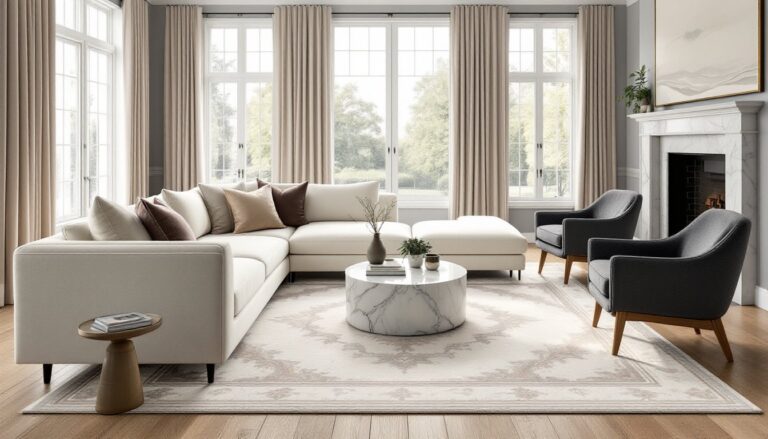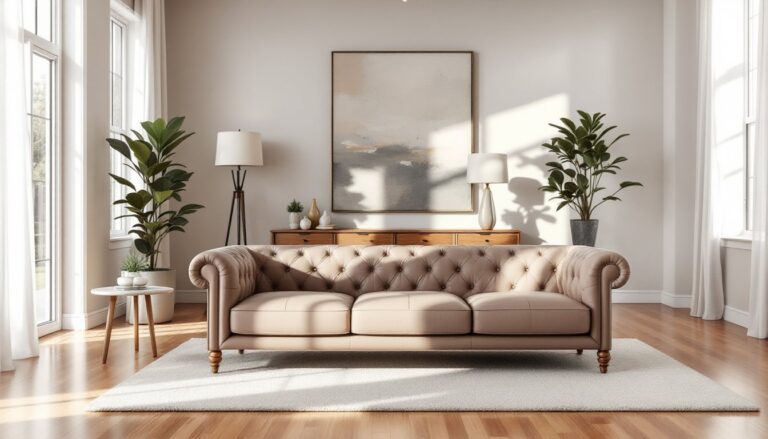

A white sofa can transform a living room from ordinary to extraordinary in a single stroke. It’s the centerpiece that anchors a luxury aesthetic while offering surprising versatility in design direction, from crisp coastal minimalism to layered, texture-rich maximalism. But making a white sofa work in a high-traffic living room requires more than good taste. You’ll need to consider fabric durability, stain resistance, and styling choices that keep the space feeling intentional rather than sterile. This guide walks through the practical decisions that make white upholstery livable and luxurious.
Table of Contents
ToggleKey Takeaways
- A luxury white sofa requires careful fabric selection—prioritize performance fabrics treated with Crypton or Nanotex, high-density foam, and hardwood frames to ensure durability and stain resistance.
- White upholstery reflects natural light and opens sightlines, making living rooms feel larger while communicating refinement, but demands proactive protection through fabric guards and removable slipcovers.
- Layer textures with throw pillows, area rugs, and blankets to transform a white sofa from stark to inviting, using odd-numbered pillow groupings and varied materials like velvet, linen, and boucle.
- Protect your white sofa investment with immediate fabric protector application, weekly vacuuming, spot-cleaning protocols, and UV-filtering window treatments to prevent yellowing over time.
- White sofas pair seamlessly with nearly any color palette—from serene monochromatic schemes to bold contrasts with navy or emerald—allowing you to experiment with seasonal decor without replacing the sofa itself.
Why Choose a White Sofa for Your Luxury Living Room
White sofas deliver visual impact that darker upholstery simply can’t match. They reflect natural light, making rooms feel larger and brighter, a principle that’s been used in high-end interiors for decades. In smaller living spaces, a white sofa opens up sightlines and prevents the heavy, closed-in feeling that can come with bulky dark furniture.
From a design standpoint, white is the ultimate neutral. It allows accent colors, artwork, and architectural details to take center stage without competing for attention. This makes it easier to change seasonal decor or experiment with bold accent pillows without needing to replace the sofa itself. The flexibility is hard to beat.
White also signals luxury in ways that other colors don’t. There’s an implied confidence in choosing a color that demands upkeep, it suggests the homeowner has the time, resources, or expertise to maintain it. That perception alone elevates the space. Many luxury modern homes incorporate white upholstery precisely because it communicates refinement and restraint.
That said, white sofas aren’t forgiving. They show dirt, spills, and wear faster than charcoal or beige alternatives. If you have young kids, pets that shed, or a habit of eating dinner on the couch, you’ll need to plan for protective measures upfront. This isn’t a dealbreaker, but it does require honest assessment before committing to the look.
Selecting the Perfect Luxury White Sofa
Not all white sofas are created equal. Construction quality matters more here than with darker upholstery, because wear patterns show up faster. Look for hardwood frames, kiln-dried oak, maple, or birch, over engineered wood or softwoods like pine. A quality frame should carry a warranty of at least 10 years.
Check the joinery. Doweled and corner-blocked joints hold up better than simple butt joints secured with staples. If you can, tilt the sofa back and inspect the underside. You want to see cross-bracing and reinforced corners, not just fabric stretched over a lightweight frame.
Cushion fill impacts both comfort and longevity. High-density foam (1.8 lbs/cu ft or higher) wrapped in down or polyester fiber offers the best balance of support and softness. Avoid low-density foam or spring-only cores, they’ll sag within a year or two. Some luxury sofas use eight-way hand-tied springs, which is the gold standard for durability but also drives up cost significantly.
Pay attention to scale. A sofa that looks elegant in a showroom can overwhelm a room with low ceilings or tight dimensions. Measure your space carefully, allow at least 18 inches between the sofa and coffee table, and 30–36 inches of clearance for walkways. If your living room is part of an open-plan layout, the sofa may need to float in the room rather than sit against a wall, which changes size requirements.
Fabric and Material Considerations
Performance fabrics have come a long way. Look for upholstery treated with Crypton, Nanotex, or Sunbrella technology, these finishes repel liquids and resist staining without sacrificing the hand-feel of natural fibers. Some manufacturers now offer performance linens and performance velvets that look indistinguishable from traditional textiles but clean up with water and mild soap.
Linen gives a relaxed, lived-in look that works well in coastal or modern farmhouse interiors, but it wrinkles easily and can pill over time. If you want that aesthetic, expect to embrace the imperfections, it’s part of the charm. Cotton twill is more durable and takes dye evenly, making it easier to maintain a crisp white appearance.
Velvet delivers undeniable luxury and depth, but requires regular maintenance. It shows handprints, pet hair, and dust more readily than flat weaves. If you go with velvet, budget time for weekly vacuuming with an upholstery attachment. Leather is an option, though white or cream leather develops a patina quickly. Some homeowners love the aged look: others find it dirty-looking. Be honest about which camp you’re in before spending five figures on a leather sectional.
Avoid 100% polyester microfiber in white. It tends to attract oils from skin contact, leaving gray smudges on armrests and seat backs that are tough to remove. Blends of polyester and natural fibers perform better. Always request fabric samples and test them at home under your actual lighting conditions, white can read as stark, creamy, or even faintly blue depending on the light.
Color Palettes That Complement White Sofas
White sofas pair well with nearly any color scheme, but some combinations feel more intentional than others. Monochromatic palettes, layering whites, ivories, and creams, create a serene, spa-like atmosphere. To keep this from feeling flat, vary textures: pair a smooth white sofa with chunky knit throws, linen curtains, and matte ceramic vases. Architectural features seen in luxury modern mansions often use this approach to let materials do the talking.
Cool neutrals like soft grays, taupes, and charcoals ground white upholstery without overwhelming it. This combination works especially well in contemporary spaces with concrete floors, metal accents, or floor-to-ceiling windows. Add warmth with wood tones, walnut side tables, oak flooring, or a live-edge coffee table, to prevent the palette from feeling sterile.
For more drama, contrast white with deep, saturated hues like navy, emerald green, or charcoal. These colors create a gallery-like backdrop that makes the white sofa pop. Use the darker tones on accent walls, area rugs, or heavy drapery. This approach is common in luxury modern houses, where bold contrasts define individual zones in open-plan layouts.
Soft pastels, blush pink, powder blue, sage green, add a feminine touch without reading as childish. These colors work best in rooms with abundant natural light, where they won’t look washed out. Keep the palette restrained: too many pastels can tip into nursery territory.
Earthy tones like terracotta, ochre, and rust bring warmth and grounding to white sofas. This palette pairs well with natural materials: rattan, jute, unglazed ceramics. It’s a go-to for modern organic or desert-inspired interiors. The key is keeping the tones muted, avoid bright oranges or saturated yellows, which can clash with the coolness of white fabric.
Styling Your White Sofa With Textures and Accessories
Texture is what separates a showroom-generic white sofa from one that feels considered and lived-in. Start with throw pillows in varied fabrics: linen, velvet, boucle, and even leather. Mix sizes, use a combination of 22-inch, 20-inch, and 18-inch pillows for visual interest. Odd numbers (three or five pillows) usually look more balanced than even groupings.
Layer in a throw blanket draped over one arm or the back. Chunky cable knits, waffle weaves, and faux fur add dimension without busy patterns. Stick to two or three textures max: more than that starts to look cluttered.
An area rug anchors the seating area and protects flooring. For white sofas, choose rugs with pattern or texture to break up the expanse of light fabric. Natural fiber rugs, jute, sisal, or seagrass, add warmth and are surprisingly durable. If you want softness underfoot, go for a low-pile wool or synthetic blend. High-pile shags collect pet hair and are harder to vacuum.
Coffee table styling matters more than you’d think. A white sofa benefits from contrast here, dark wood, black metal, or even a glass-top table with a sculptural base. Keep the surface styled simply: a stack of oversized books, a low ceramic bowl, and a single stem in a vase is plenty. Overcrowding the table competes with the sofa visually.
Lighting creates mood and highlights textures. Use a mix of ambient, task, and accent lighting. A floor lamp with a linen shade next to the sofa provides reading light without harsh overhead glare. Table lamps on side tables add symmetry. If your budget allows, consider dimmable LED strips behind the sofa to create soft backlighting in the evenings.
Don’t overlook artwork and wall decor. Large-scale pieces, think 36 x 48 inches or bigger, create a focal point above the sofa. Leave about 6–12 inches between the top of the sofa back and the bottom of the frame. For gallery walls, maintain consistent spacing (usually 2–3 inches) between frames.
Maintaining and Protecting Your White Sofa
White upholstery needs proactive protection, not just reactive cleaning. Start with a fabric protector spray applied immediately after purchase (or before the sofa enters the home). Products like Scotchgard Fabric Protector create an invisible barrier that repels liquids and makes stains easier to blot up. Reapply every 6–12 months, or after professional cleaning.
Removable, washable slipcovers are the single best investment for households with kids or pets. They allow you to toss covers in the washing machine rather than spot-treating every spill. Look for pre-shrunk fabrics and follow washing instructions carefully, most slipcovers should be washed in cold water and line-dried to prevent shrinkage.
For non-slipcover sofas, establish a weekly maintenance routine. Vacuum with an upholstery brush attachment to remove dust and debris before it gets ground into fibers. Pay extra attention to crevices where crumbs and pet hair accumulate. Rotate cushions every month to distribute wear evenly.
Spot cleaning should happen immediately. Blot spills with a clean, white cloth (colored towels can transfer dye). Work from the outside of the stain inward to prevent spreading. For water-based spills (coffee, juice), use a mixture of mild dish soap and water. For oil-based stains, sprinkle baking soda or cornstarch to absorb the oil, let it sit for 15 minutes, then vacuum and treat with a gentle upholstery cleaner.
Always test cleaning products on an inconspicuous area first, under a cushion or on the back panel. Some fabrics react poorly to common cleaners, discoloring or weakening fibers. When in doubt, call a professional upholstery cleaner. Most recommend deep cleaning white sofas every 12–18 months, even if they look clean.
Throws and decorative blankets do double-duty as both style elements and protective layers. Drape one over high-traffic areas like armrests or the seat back where body oils accumulate. This is especially useful if you’re looking through luxury homes pictures for styling inspiration but need practical solutions for everyday living.
Sunlight is a silent enemy. UV exposure causes yellowing over time, particularly in natural fibers like cotton and linen. Use window treatments, sheer curtains, roller shades, or UV-blocking film, to filter direct sunlight during peak hours. If the sofa sits directly in a sun path, consider rearranging furniture or investing in performance fabrics with built-in UV resistance.
Conclusion
A white sofa isn’t a compromise, it’s a deliberate design choice that pays off when you match fabric quality, protective measures, and thoughtful styling. The key is treating it like the investment it is: choose durable materials, maintain it regularly, and style with intention rather than impulse. Get those fundamentals right, and the payoff is a living room that feels both luxurious and livable.