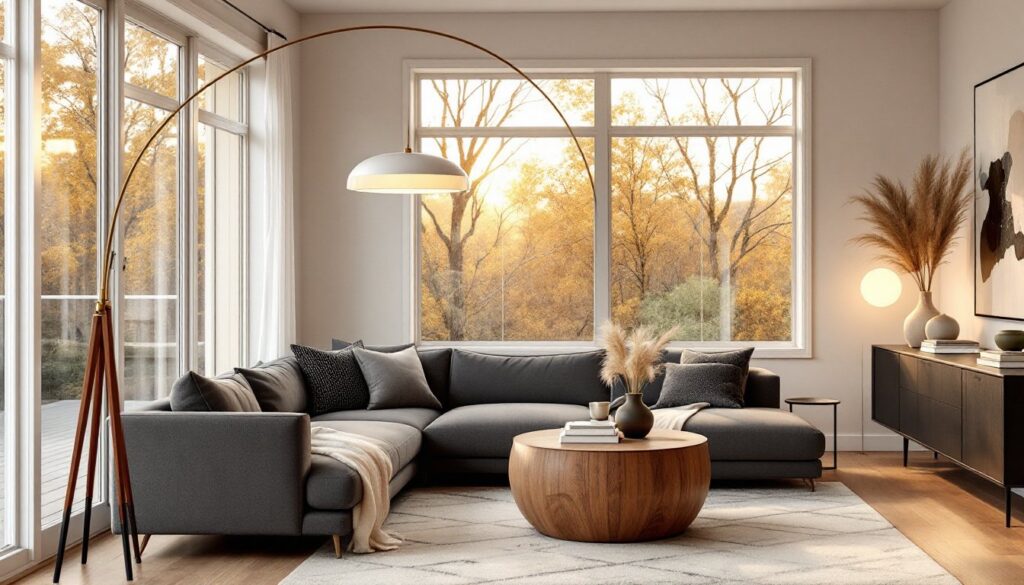
A luxury floor lamp isn’t just another light source, it’s a statement piece that anchors a room, defines zones, and adds architectural presence where overhead lighting falls flat. In living rooms, where layered lighting makes or breaks ambiance, a well-chosen floor lamp delivers both task illumination and visual weight. The difference between a standard lamp and a luxury model isn’t just price: it’s materials, craftsmanship, and design integrity that hold up under scrutiny. This guide breaks down what separates high-end floor lamps from big-box alternatives and how to select, place, and maintain one that justifies the investment.
Table of Contents
ToggleKey Takeaways
- Luxury floor lamps for living rooms stand apart through superior materials like solid brass, marble, and hand-blown glass, combined with precision craftsmanship and recognized design provenance rather than brand markup alone.
- Arc lamps, tripod designs, and sculptural models each serve distinct functions—arc lamps deliver overhead lighting without ceiling installation, while tripod and sculptural floor lamps define zones and anchor neutral or modern interiors.
- Proper sizing is critical: choose lamps no taller than 65 inches for standard 8-foot ceilings, position the light source at or just above seated eye level (60–66 inches), and ensure bases have 12–24 inches of clearance from furniture.
- Layering floor lamps with dimmers, smart plugs, and complementary light sources (table lamps, sconces) creates balanced illumination; a single lamp is rarely sufficient for ambient coverage in larger living rooms.
- Regular maintenance—weekly dusting, annual cord inspections, and professional repair for serious damage—preserves function, appearance, and resale value of luxury floor lamp investments.
- Budget-conscious buyers can find quality luxury floor lamps in the $600–$1,200 range with solid construction and licensed mid-century designs, avoiding both budget alternatives and premium collector-grade pricing.
What Makes a Floor Lamp ‘Luxury’?
Luxury in floor lamps comes down to material quality, build precision, and design provenance, not marketing hype. High-end lamps use solid brass, hand-turned walnut, marble bases, or hand-blown glass rather than stamped steel or composite resin. Welds are clean, joints are seamless, and finishes (brushed nickel, oil-rubbed bronze, powder-coated matte black) resist tarnish and wear.
Many luxury models carry UL or ETL certification and use replaceable LED modules or E26 bulb sockets that accommodate high-CRI bulbs for accurate color rendering. Dimmers are integrated smoothly, capacitive touch, rotary knobs, or remote control, rather than tacked-on inline switches that interrupt the cord.
Design often comes from recognized studios or licensed mid-century reissues (think Arco lamp reproductions or Noguchi-inspired paper shades). Provenance matters: a lamp designed by a named architect or featured in contemporary furniture showcases holds value and visual credibility. Build weight is another tell, luxury lamps feel substantial because bases are cast metal or stone, not hollow plastic.
Craftsmanship shows in details: hand-stitched linen drum shades, adjustable articulating arms with brass tension knobs, and braided fabric power cords instead of rubber zip cord. These elements resist the wear patterns that make cheaper lamps look shabby within a year.
Top Styles of Luxury Floor Lamps for Modern Living Rooms
Arc Floor Lamps
Arc lamps deliver overhead-style lighting without ceiling installation, ideal for renters or rooms where recessed cans aren’t feasible. The classic arc design uses a heavy marble or steel base (typically 15–30 lbs) to counterbalance a sweeping arm that extends 60–80 inches horizontally. This puts light directly over seating areas, reading nooks, or side tables without a floor footprint beneath the shade.
Look for adjustable height mechanisms (telescoping poles with set screws) and shades that pivot or rotate for directional control. Materials range from polished chrome with acrylic diffusers to matte black steel with dome shades in spun aluminum. The Arco lamp, originally designed by Achille Castiglioni in 1962, remains the archetype, though licensed reproductions and inspired designs abound.
Arc lamps work best in open floor plans or behind sectionals where the base tucks out of sight. They’re top-heavy by design, so place them away from high-traffic zones where pets or kids might collide with the arm. Avoid models with bases under 20 lbs unless they’re anchored to the wall, lightweight arcs tip easily.
Tripod and Sculptural Designs
Tripod lamps lean into mid-century and Scandinavian aesthetics, using three angled legs (wood or metal) to support a drum, cone, or globe shade. Solid wood tripods, walnut, oak, or teak, add warmth and texture, while powder-coated steel tripods suit industrial or minimalist interiors. Legs are typically 50–65 inches tall with adjustable rubber feet to level on uneven floors.
Sculptural floor lamps prioritize form as much as function. Expect asymmetrical bases, cantilevered arms, or geometric frameworks in brass, blackened steel, or mixed materials. Some models feature exposed Edison bulbs or integrated LED arrays that become part of the design rather than hidden behind a shade. These lamps function as focal points in luxury interiors where art and utility overlap.
Both styles suit corners, flanking sofas, or defining zones in open-concept spaces. Tripods with fabric drum shades diffuse light evenly for ambient fill, while sculptural designs with exposed bulbs or directional spots work better as accent or task lighting. Check shade diameter, oversized drums (18–22 inches) can overwhelm small rooms, while undersized shades look unbalanced on tall bases.
How to Choose the Perfect Luxury Floor Lamp for Your Living Room
Start with ceiling height and room scale. Standard 8-foot ceilings handle lamps up to 65 inches tall: taller ceilings (9–10 feet) accommodate 70–80 inch designs without crowding the visual plane. Measure from floor to bottom of the shade, aim for 60–66 inches to keep the light source at or just above seated eye level for reading, or higher (68–75 inches) for ambient wash.
Match the lamp’s footprint to available floor space. Arc lamps need 12–18 inches of clearance behind furniture for the base, while tripods occupy a circular zone roughly 20–24 inches in diameter. Sculptural designs with cantilevered arms may project 24–36 inches, so mock up the footprint with painter’s tape before committing.
Consider light output and color temperature. Living rooms benefit from 2700K–3000K (warm white) for evening relaxation, or tunable LEDs that shift from 2200K (candlelight) to 4000K (neutral daylight). Look for lamps rated 800–1500 lumens for task lighting (reading, close work) or 300–600 lumens for ambient fill. Dimmable models add flexibility, critical for layering light with table lamps, sconces, or overhead fixtures.
Style cohesion matters, but avoid overly matchy-matchy choices. A brass arc lamp complements spaces with polished finishes, while matte black tripods anchor neutral palettes. Mixed metals work if undertones align, warm brass pairs with oil-rubbed bronze, while polished nickel complements chrome or stainless.
Budget realistically. Luxury floor lamps range from $400 for well-made reproductions to $2,500+ for designer originals or limited editions. Mid-range options ($600–$1,200) often deliver solid construction and licensed designs without collector-grade pricing. Verify warranties, reputable makers offer 1–3 years on electrical components and finish integrity.
Placement Tips to Maximize Impact and Functionality
Position arc lamps to cast light over seating without the shade hovering directly in sightlines. Place the base 12–18 inches behind a sofa or chair, angling the arm forward so the shade centers over the seat. For reading, the bottom of the shade should sit 40–42 inches above the seat cushion, low enough to illuminate pages without glare.
Tripod and sculptural lamps work in corners or flanking fireplaces to fill dead zones with both light and visual interest. Avoid centering them on walls, offset placement (one-third in from the corner) feels more dynamic and prevents a staged, symmetrical look. In open floor plans, use tall lamps to define zones: a tripod behind a sectional separates the seating area from a dining space without physical barriers.
Keep bases away from high-traffic paths. A 20-lb marble base won’t budge from a nudge, but cords stretched across walkways create trip hazards. Route power cords along baseboards, securing them with adhesive cable clips or running them under area rugs (use flat extension cords rated for that purpose).
Pair floor lamps with dimmers or smart plugs for control. Proximity to outlets matters, extension cords work, but visible daisy-chained power strips undercut the luxury aesthetic. If outlets are scarce, consider hiring an electrician to add a floor receptacle (flush-mount or pop-up style) beneath the lamp’s footprint. It’s a $150–$300 upgrade that eliminates cord clutter in high-end interiors.
Layer floor lamps with other sources. A single floor lamp in a 15×20-foot living room won’t provide adequate coverage, combine it with table lamps, sconces, or recessed cans for balanced illumination. Use floor lamps for task or accent roles, not as the primary light source.
Maintaining Your Luxury Floor Lamp Investment
Dust weekly with a microfiber cloth, metal finishes and glass shades show fingerprints and grime quickly. For brass or bronze, use a non-abrasive metal polish twice a year to restore luster, wiping with the grain to avoid streaks. Lacquered brass needs only damp-cloth cleaning: polish will strip the protective coating.
Fabric drum shades collect dust in pleats and seams. Vacuum with a soft brush attachment monthly, holding the shade steady to prevent strain on the harp or finial. For deeper cleaning, spot-treat stains with a damp cloth and mild detergent, test on an inconspicuous area first. Avoid soaking fabric shades: moisture can warp frames or leave water stains.
Check electrical components annually. Tighten set screws on adjustable arms, inspect cords for fraying (especially near plugs or flex points), and verify dimmer switches operate smoothly. Replace bulbs with the correct wattage or LED equivalent, overlighting can overheat sockets and damage internal wiring. For integrated LED lamps, driver modules typically last 25,000–50,000 hours but may need professional replacement when they fail.
Stabilize bases on uneven floors with adhesive felt pads or adjustable feet. Marble and stone bases can crack if stressed by rocking: shim legs as needed to distribute weight evenly. For arc lamps, periodically retighten the counterbalance mechanism, repeated adjustments can loosen tension screws over time.
Store seasonal or rotated lamps in climate-controlled spaces. Extreme heat or humidity warps wood components and degrades adhesives. Wrap shades in acid-free tissue and support bases upright to prevent stress fractures. If a lamp was a significant investment, document it with photos and receipts for homeowner’s insurance, many policies cover high-value decor under personal property riders, but you’ll need proof of purchase and condition.
For repairs beyond bulb swaps or basic tightening, consult the manufacturer or a lighting specialist. DIY fixes on luxury lamps, rewiring, refinishing, or structural repairs, can void warranties or devalue designer pieces. Restoration shops that specialize in mid-century or high-end lighting can source original parts and match finishes correctly, preserving both function and resale value.