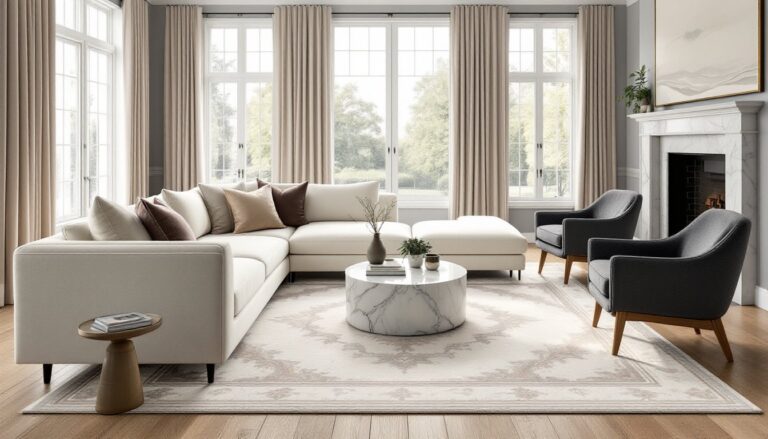
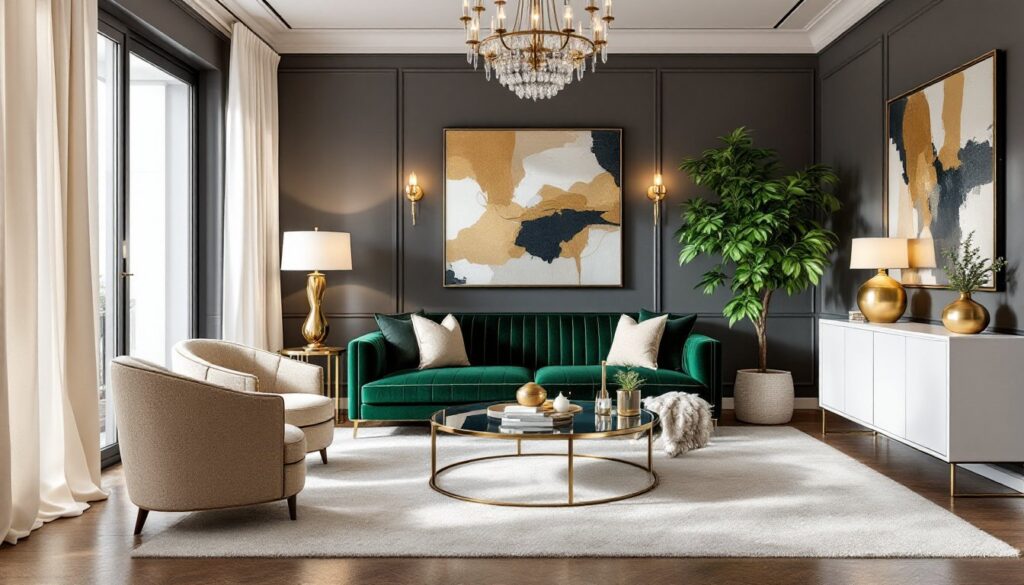
Creating a luxury glam living room isn’t about throwing money at a space, it’s about making deliberate design choices that layer texture, light, and high-impact materials into something that looks professionally styled. Think velvet upholstery, reflective surfaces, and metallic accents that catch the light just right. The glam aesthetic walks a line between opulent and overdone, and getting it right means understanding which elements to prioritize and how to balance drama with livability. Whether working with an existing footprint or planning a full renovation, the principles remain the same: quality over quantity, statement pieces over clutter, and finishes that photograph as well as they feel in person.
Table of Contents
ToggleKey Takeaways
- A luxury glam living room prioritizes reflective surfaces, rich textures, and high-contrast color schemes anchored in neutral bases with jewel-tone accents over unnecessary clutter.
- Statement furniture pieces like velvet sofas with metal legs, mirrored coffee tables, and tufted seating create visual impact and should be carefully scaled to fit standard room dimensions.
- Layered lighting from chandeliers, sconces, table lamps, and LED strips transforms ambiance and prevents flat, commercial-looking spaces that rely solely on recessed ceiling lights.
- Texture differentiation through velvet, faux fur, boucle, and metallic finishes—combined with strategic drapery and rug placement—elevates the entire aesthetic without overwhelming the design.
- Accessories like oversized mirrors, lacquered trays, and curated artwork should be intentionally selected and repeat metallic finishes used elsewhere to maintain visual cohesion and luxury appeal.
What Defines a Luxury Glam Living Room?
A luxury glam living room centers on three core elements: reflective surfaces, rich textures, and high-contrast color schemes. Unlike minimalist or transitional styles, glam design leans into visual weight, think lacquered furniture, mirrored panels, polished metals (brass, chrome, or brushed gold), and crystal or glass accents.
The architecture itself doesn’t need to be ornate. Many successful glam spaces start with builder-grade drywall and standard 8-foot ceilings. What changes the game is the finish work: crown molding (even simple 3½-inch profiles make a difference), baseboards at least 5¼ inches tall, and wall treatments like Venetian plaster or high-gloss paint in deep jewel tones.
Lighting plays an outsized role. Layered sources, ambient, task, and accent, create depth and eliminate flat, single-bulb ceiling fixtures that kill the mood. Glam isn’t subtle, but it also isn’t chaotic. Every metallic finish, every tufted surface, every mirrored tray should feel intentional. If a piece doesn’t add sparkle, structure, or texture, it’s taking up space that something better could occupy.
This isn’t a style that tolerates builder-beige walls or stock contractor lighting. Plan for finish upgrades and allocate budget toward materials that catch and reflect light.
Essential Color Palettes for Glamorous Elegance
Glam color schemes typically anchor in neutral bases, cream, ivory, soft gray, or greige (a gray-beige hybrid), and layer in one or two high-impact accent colors. Popular combinations in 2026 include charcoal and champagne gold, navy and brass, or emerald green with warm brass and cream.
For wall finishes, consider these options:
- High-gloss or satin-finish paint in deep tones (Benjamin Moore’s “Hale Navy” or Sherwin-Williams “Tricorn Black”) creates drama without pattern.
- Metallic wallpapers with geometric or art deco motifs work well on a single accent wall. Stick to patterns with a repeat of 24 inches or less to avoid overwhelming smaller rooms.
- Soft neutrals (Sherwin-Williams “Accessible Beige,” Benjamin Moore “Classic Gray”) serve as backdrops that let furniture and accessories pop.
Avoid pastel palettes, they flatten the glam aesthetic. Instead, use saturated jewel tones sparingly: a velvet emerald sofa, plum throw pillows, or sapphire blue drapery panels. Pair metallics thoughtfully: mixing more than two metal finishes (e.g., brass, chrome, and copper) in a single sightline can look uncoordinated unless you’re working with a designer who understands proportion.
Paint sheen matters. Matte finishes absorb light: satin or eggshell (25–35% sheen) reflects enough to feel luxe without showing every drywall imperfection. For trim and doors, semi-gloss (50–60% sheen) in a crisp white or matching wall color sharpens the space.
Statement Furniture Pieces That Elevate the Space
In a glam living room, furniture does heavy lifting. Start with a sofa upholstered in velvet or high-performance velvet (polyester blends resist staining better than cotton velvet). Look for pieces with exposed metal legs in brass or polished chrome, wood legs read too casual for this aesthetic.
Key furniture elements include:
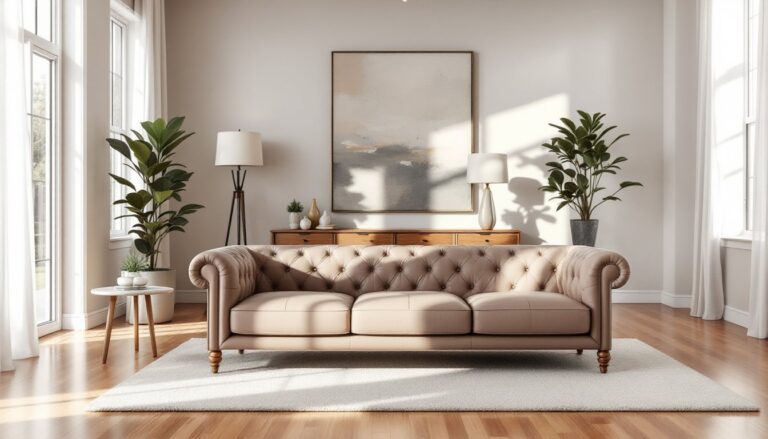
- Tufted or channel-back sofas and chairs: Deep button tufting adds texture and traditional glamour. Channel tufting (vertical lines) feels more modern and works well in spaces leaning contemporary luxury interiors.
- Mirrored or lacquered coffee tables: A 36-inch round mirrored coffee table or rectangular lacquered piece in high-gloss white or black anchors seating areas. Avoid glass-top tables with visible metal frames, they lack the seamless finish glam demands.
- Accent chairs in bold shapes: Barrel chairs, wingbacks, or scoop-style club chairs upholstered in contrasting textures (leather, faux fur, boucle) create visual interest without pattern overload.
Furniture scale matters in standard living rooms (12×16 feet or smaller). A sofa longer than 84 inches can overwhelm the space. Measure doorways and hallways before purchasing, most residential doorways are 32 to 36 inches wide, and large sectionals often don’t make the turn without disassembly.
For media consoles or sideboards, opt for pieces with metallic hardware (bar pulls in brass or lucite knobs). Solid wood credenzas work if refinished in high-gloss lacquer: leave natural wood grain for rustic or transitional rustic aesthetics instead.
Lighting Fixtures That Add Drama and Sparkle
Lighting is non-negotiable in glam design. Overhead fixtures should function as jewelry for the room. Chandeliers with crystal, glass, or lucite elements remain the go-to centerpiece. For an 8-foot ceiling, choose fixtures no taller than 20–24 inches: for 9- or 10-foot ceilings, 28–36 inches works. Hang chandeliers so the bottom sits 30–34 inches above the coffee table or at least 7 feet above the floor in walkways.
Beyond the chandelier, layer in these sources:
- Sconces flanking a fireplace or large artwork: Swing-arm or fixed sconces in brass or polished nickel add task lighting and symmetry. Wire them to a dimmer switch (standard residential dimmers run $15–$40 and install in about 20 minutes if you’re comfortable with basic electrical work: otherwise, hire a licensed electrician).
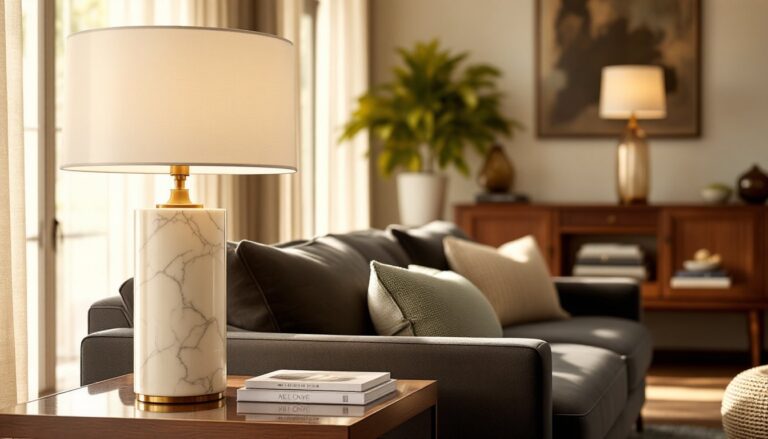
- Table lamps with crystal or glass bases: A pair of matching lamps on end tables or a console creates balance. Drum shades in silk or linen diffuse light softly: metallic-lined shades reflect it back into the room.
- LED strip lighting: Install under floating shelves or behind mirrors for indirect glow. Use warm white LEDs (2700–3000K) to avoid the harsh blue cast of daylight bulbs.
Avoid recessed can lights as the sole source, they create a flat, commercial feel. If you have existing cans, add decorative trims or use them strictly for ambient fill. When considering statement fixtures for high-end properties, prioritize designs that balance scale with ceiling height.
Luxe Textures and Fabrics to Layer Into Your Design
Texture differentiates a flat room from a glam one. Layer at least three to four distinct textures in any sightline: smooth (lacquer, glass), plush (velvet, faux fur), woven (boucle, linen), and metallic (brass, mirrored surfaces).
Velvet remains the hero fabric. Use it on sofas, accent chairs, or throw pillows. Performance velvets (polyester-blend) resist crushing and staining better than cotton or silk velvet, critical if kids or pets use the space. For durability, look for fabrics rated at 30,000+ double rubs (Wyzenbeek abrasion test standard).
Other high-impact textiles include:
- Faux fur throws: Drape over sofa arms or chair backs. Stick to neutral tones (ivory, gray, taupe) to avoid looking costume-y.
- Silk or velvet drapery: Floor-to-ceiling panels in a solid color add vertical height. Hang rods as close to the ceiling as possible, 2–4 inches below the ceiling line, and let panels puddle slightly (1–2 inches) on the floor for a tailored look. Use drapery lining (blackout or thermal) to add body and control light.
- Sheepskin or high-pile rugs: Layer a smaller faux sheepskin (4×6 feet) over a larger neutral area rug (8×10 or 9×12 feet). Avoid synthetic “shag” that mats down quickly: look for acrylic or modacrylic piles that maintain loft.
Rugs ground the space. In living rooms, the front legs of all seating should rest on the rug, or the entire furniture grouping should fit within the rug’s borders. An 8×10 rug works for most 12×14-foot rooms: go up to 9×12 for larger spaces. Stick to solids, subtle textures, or low-contrast patterns, busy geometric or floral rugs compete with the rest of the glam palette. Interior design enthusiasts often reference resources like MyDomaine for additional rug styling strategies and fabric layering techniques.
Finishing Touches: Accessories and Decor Elements
Accessories in a glam living room aren’t afterthoughts, they’re the elements that sell the aesthetic. Curate with restraint: too many small objects clutter sightlines and dilute impact.
Prioritize these elements:
- Mirrors: Oversized mirrors (36×48 inches or larger) reflect light and expand visual space. Hang above a sofa, console, or fireplace. Frames in antiqued silver, gold leaf, or beveled mirror add dimension. For design inspiration showcasing dramatic mirror use, Elle Decor’s living room gallery highlights curated glam interiors.
- Trays and decorative bowls: Mirrored or lacquered trays (12–16 inches diameter) corral remotes and candles on coffee tables. Brass or crystal bowls hold decorative objects without visual clutter.
- Coffee table books: Stack two or three large-format books (photography, fashion, or architecture) as sculptural elements. Top with a small object (agate coaster, brass magnifying glass, or geometric sculpture).
- Greenery: Use sparingly. A single large plant (fiddle-leaf fig, bird of paradise) in a metallic or ceramic planter adds life without softening the glam edge. Avoid fussy arrangements or too many small plants.
- Artwork: Oversized abstract pieces or black-and-white photography in sleek frames (thin metal or lucite) work best. Avoid heavy wood frames or ornate gilt, they pull too traditional. Hang art so the center sits at 57–60 inches from the floor (standard gallery height).
Metallic accents, picture frames, candle holders, sculptural objects, should repeat one or two finishes used elsewhere in the room (brass if your lighting is brass, chrome if your furniture legs are chrome). This creates visual cohesion. For spaces that blend opulence with family-friendly functionality, strategies from luxury family home design can inform durable accessory choices.
Avoid: cheap-looking faux florals, cluttered gallery walls, or decorative pillows in more than three patterns. Stick to solids and textures.
Conclusion
A luxury glam living room rewards intentional choices: high-impact color, statement lighting, layered textures, and curated accessories that each earn their place. The style isn’t about filling a room, it’s about editing down to pieces that deliver visual weight and polish. Start with one or two anchor elements (a velvet sofa, a crystal chandelier), build around them with complementary textures and finishes, and keep sightlines clean. Done right, glam design creates spaces that photograph well and live even better.