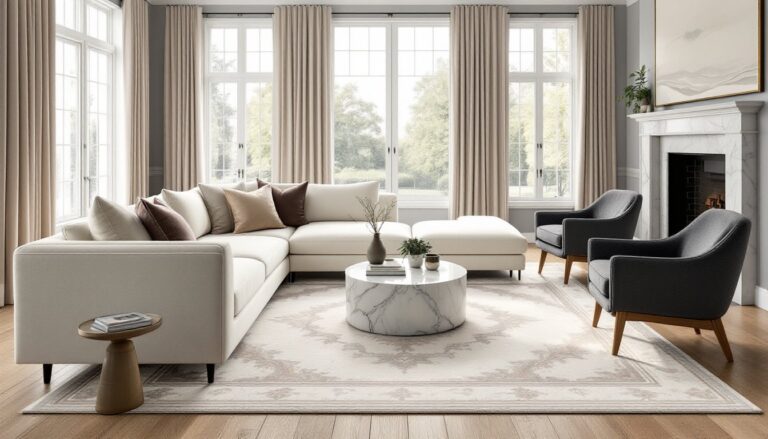
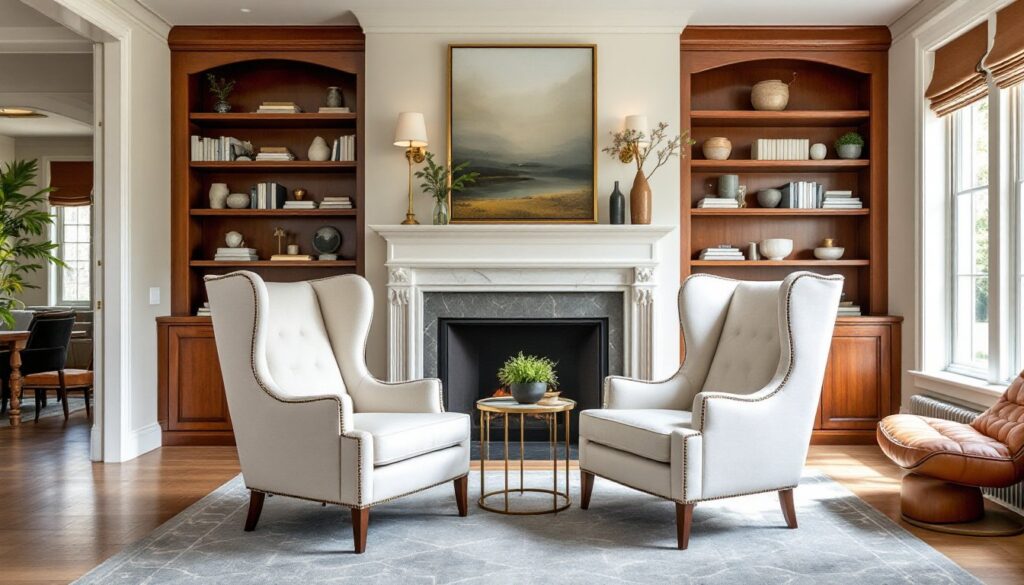
A living room isn’t complete without seating that does more than just fill space. Luxury living room chairs bring refinement, structural quality, and lasting comfort, pieces built to anchor a room for years, not just seasons. Whether someone’s updating a single corner or overhauling an entire layout, the right chair becomes both focal point and daily workhorse. This guide walks through what separates true luxury from mass-market upholstery, explores current styles worth the investment, and offers practical advice on selection and placement.
Table of Contents
ToggleKey Takeaways
- Luxury living room chairs are defined by hardwood frames, eight-way hand-tied springs, high-resiliency foam, and quality upholstery with double-rub counts exceeding 30,000—not just price tags.
- Wingback and Bergère chairs remain valuable in 2026 due to timeless proportions, while mid-century accent chairs and engineered lounge chairs offer contemporary alternatives suited to modern spaces.
- Proper chair selection requires measuring room proportions, testing seat depth (20-24 inches) and height (17-19 inches) for comfort, and ensuring 90-degree knee bend with feet flat on the floor.
- Performance fabrics resist staining and moisture for homes with kids or pets, while full-aniline leather develops patina; reserve velvet for occasional-use seating to minimize wear visibility.
- Strategic placement using floating arrangements, coordinated floor rugs with front legs anchored, and layered task lighting transforms luxury chairs from expensive furniture into functional focal points.
- Professional cleaning every 18-24 months ($75-150 per chair) and monthly cushion rotation preserve investment quality, while leather conditioning every 6-12 months prevents cracking in dry climates.
What Defines a Luxury Living Room Chair?
Luxury isn’t about price tags alone, it’s about frame construction, upholstery materials, joinery methods, and finish quality. A chair earns the luxury label when it combines superior craftsmanship with timeless design.
Frame materials matter first. Hardwood frames, maple, oak, beech, or kiln-dried walnut, offer structural integrity that lasts decades. Premium chairs use mortise-and-tenon joinery or corner blocking reinforced with screws and glue, not just staples. Check underneath: quality manufacturers don’t hide their joinery work.
Upholstery density separates everyday seating from investment pieces. High-resiliency foam (HR foam) rated 2.5 lb/ft³ or higher maintains shape without sagging. Top-tier chairs layer HR foam with down wraps or polyester batting for softness without collapse. Eight-way hand-tied springs, springs tied in eight directions across the frame, provide superior support compared to sinuous (zigzag) springs common in budget furniture.
Fabric grade impacts both longevity and appearance. Double-rub counts (Wyzenbeek test results) measure abrasion resistance: luxury upholstery typically exceeds 30,000 double rubs. Performance fabrics with stain treatments handle real-world use without looking clinical. Full-grain leather develops patina over time, while top-grain leather offers uniform appearance with slightly less durability.
Finish details reveal attention to craft: hand-applied nailhead trim with consistent spacing, welting (piping) that’s straight and unbroken at seams, and cushions with zippers positioned on rear or bottom edges, not front-facing. Arms, legs, and backs should feel solid with no wobble, a sign of proper assembly and quality hardware.
Many modern luxury modern house interiors feature statement seating that balances aesthetics with engineered comfort, proving that luxury and functionality aren’t mutually exclusive.
Top Luxury Living Room Chair Styles for 2026
Design trends shift, but certain chair styles remain relevant because their proportions and silhouettes work across decorating eras. Here’s what’s holding value in 2026.
Wingback and Bergère Chairs
Wingback chairs originated in 17th-century England as draft blockers near fireplaces. Modern iterations keep the high back and side wings but update proportions, lower seats (17-18 inches from floor) and wider wings suit contemporary interiors better than antique profiles. Look for tight-back versions (upholstery pulled taut over the frame) for cleaner lines, or loose-cushion models for sink-in comfort.
Construction tip: quality wingbacks use a solid hardwood frame with reinforced wing joints. Wings should feel rigid, not flexible, flexing indicates inadequate bracing. Nailhead trim along the wings and base adds traditional detail: choose individual nails over nailhead tape for authentic appearance.
Bergère chairs feature exposed wood frames, typically carved mahobany, walnut, or painted hardwood, with upholstered seat, back, and closed sides. French in origin, they bring formality without stuffiness. The exposed frame means wood finish quality matters: hand-rubbed oils or lacquers develop depth that spray finishes can’t match.
These styles work in high-end homes where architectural detail calls for equally refined furnishings. Pair them with reading lamps and side tables scaled to the chair’s arm height (typically 24-26 inches).
Accent Chairs and Lounge Chairs
Accent chairs cover a broad category but share one trait: they make visual statements. Mid-century modern silhouettes, think tapered legs, angled backs, and clean arm profiles, remain popular because they don’t compete with other furnishings. Swivel bases add function in conversation areas: make sure the mechanism is steel or heavy-duty aluminum, not plastic.
Channel tufting (vertical or horizontal grooves in the upholstery) adds texture and dimension. True tufted work requires skilled labor, buttons or folds should align perfectly, with no puckering between rows. Velvet and bouclé fabrics highlight tufting details better than flat weaves.
Lounge chairs prioritize ergonomics. The Eames Lounge Chair and Ottoman set the standard: molded plywood shells, leather cushions, and a recline angle engineered for actual lounging. Reproductions flood the market, but authentic quality shows in seven-ply veneer shells (five-ply versions feel less substantial) and full-aniline leather.
Scandinavian lounge chairs, lighter frames in oak or ash with wool or leather upholstery, suit smaller rooms better than bulkier designs. According to interior design resources at Homedit, mixing chair styles within a room works when materials or colors create visual connection. Choose a common thread: matching wood tones, coordinating fabric textures, or a shared metal finish on legs and hardware.
How to Choose the Perfect Luxury Chair for Your Living Room
Selection starts with measurements and traffic flow, not aesthetics. A stunning chair that blocks pathways or overwhelms the room isn’t luxury, it’s a mistake.
Room proportions dictate chair scale. Measure ceiling height and floor area in square feet. In rooms under 200 square feet, chairs with exposed legs and open arms (rather than fully upholstered barrel shapes) prevent visual weight buildup. Rooms with 9-foot or higher ceilings can handle high-back chairs: 8-foot ceilings call for lower profiles to maintain proportion.
Seat depth and height affect comfort and usability. Standard seat depth runs 20-22 inches: deeper seats (23-24 inches) suit taller individuals but may leave shorter users’ feet dangling. Seat height of 17-19 inches works for most adults: lower seats suit modern aesthetics but make standing difficult for those with mobility issues.
Test before buying. Sit fully back with feet flat on the floor. Knees should bend at roughly 90 degrees. Arms should support elbows without forcing shoulders upward. The lumbar area (lower back) should contact the chair back without needing a pillow.
Fabric and leather selection depends on use patterns. Homes with kids or pets benefit from performance fabrics (Crypton, Sunbrella, or similar treatments) that resist moisture and staining. Full-aniline leather shows patina and wear: semi-aniline or pigmented leather hides imperfections better. Velvet looks rich but shows wear patterns in high-traffic seating: reserve it for chairs used occasionally.
Color and pattern strategy: neutral upholstery (grays, beiges, navy) offers flexibility as décor evolves. Bold colors or patterns commit the room’s palette, make sure you’re ready for that commitment. Patterned fabric hides soiling better than solids but can clash with other textiles (rugs, curtains, throw pillows).
Many luxury estates feature custom upholstery to match specific architectural finishes, but off-the-shelf luxury chairs now offer customization programs. Expect 8-12 weeks for custom orders versus 2-4 weeks for in-stock items.
Budget honestly. Quality chairs range from $800 to $5,000+ depending on materials and construction. Leather and hand-tied springs push costs higher. Factor in delivery (white glove service adds $150-300 but includes room placement and packaging removal) and potential fabric protection treatments ($75-150 per chair).
If a chair needs professional delivery due to weight or size, it’s probably built well enough to justify the cost. Lightweight chairs usually indicate engineered wood frames and lower-density foam, functional but not heirloom quality.
Styling Tips: Integrating Luxury Chairs into Your Living Room Design
Placement and pairing determine whether a luxury chair becomes a focal point or just expensive filler.
Strategic positioning maximizes visual and functional impact. Float a chair away from walls in larger rooms to create conversation zones or reading nooks. Anchor it with a floor lamp (60-68 inches tall for proper reading light) and a side table (1-2 inches lower than the chair arm for easy reach).
Pair chairs symmetrically flanking a fireplace or console for formal balance, or use a single statement chair opposite a sofa for asymmetrical interest. Two different chairs can work together if they share scale and at least one design element, similar leg styles, coordinating colors, or matching seat heights.
Layering textiles adds depth without clutter. A single throw pillow (20×20 or 22×22 inches) provides lumbar support and introduces pattern or texture. Avoid over-pillowing, luxury chairs have proper back support built in. A throw blanket draped over one arm works for casual rooms: skip it in formal settings.
Rug relationships matter for visual grounding. A chair’s front legs should rest on the area rug, even if the back legs sit on bare floor. This anchors the chair to the room’s layout. In open-plan spaces, rugs define zones, use them to group seating rather than letting chairs float unmoored.
Lighting complements seating arrangements. Task lighting (reading lamps with adjustable arms or swing-arm wall sconces) makes a chair functional for more than conversation. Ambient lighting from overhead fixtures or cove lighting prevents harsh shadows that make even beautiful furniture look flat.
Resources like Elle Decor’s accent chair guide demonstrate how professional designers layer chairs with other furnishings to build cohesive rooms, proving that careful curation beats random collection.
Avoid common mistakes: don’t push all furniture against walls, rooms feel larger with floating arrangements. Don’t match every piece to a set, varied seating looks collected, not catalog-ordered. Don’t ignore scale, a massive chair in a small room or tiny chairs in a grand space both fail.
If working within existing architecture found in smart luxury homes, coordinate chair selections with built-in features. Wood tones should complement (not necessarily match) millwork and flooring. Upholstery colors can pull accent tones from tile, stone, or painted trim.
Maintenance planning preserves investment. Vacuum upholstered chairs weekly with an upholstery attachment to prevent dust from embedding in fibers. Rotate cushions monthly if removable to distribute wear. Leather needs conditioning every 6-12 months depending on climate, dry environments require more frequent treatment.
Professional cleaning every 18-24 months extends fabric life. Budget $75-150 per chair for steam cleaning or solvent-based cleaning (method depends on fabric content). Leather cleaning costs roughly the same but requires specialized products.
For those exploring luxury home locations with specific climates, consider environmental factors: humid regions demand mildew-resistant fabrics, while dry climates can make leather crack without proper humidification (aim for 40-50% relative humidity).
Investment protection includes delivery care and initial setup. Inspect chairs immediately upon delivery before signing off, check for frame damage, upholstery flaws, or finish issues. Most manufacturers cover defects for 30 days: after that, claims get complicated. Apply fabric protection if the manufacturer didn’t pre-treat. Products like Scotchgard add a barrier against spills without altering fabric hand (the way it feels). Test in an inconspicuous area first, some fabrics darken or stiffen with treatment.
Conclusion
Choosing luxury living room chairs comes down to understanding construction quality, matching style to room architecture, and making selections that serve both daily comfort and long-term durability. Well-chosen chairs anchor a room’s design while providing functional seating that doesn’t need replacement every few years. Start with frame and upholstery quality, narrow choices by style and scale, then refine with placement and finishing details that make the room work as a whole.