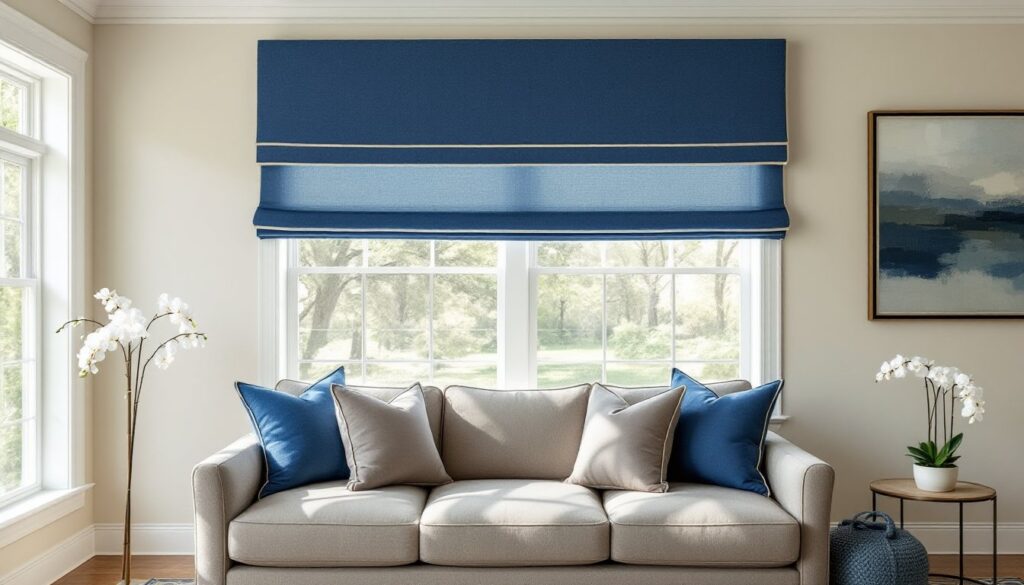
Adding a luxury valance to a living room isn’t about throwing velvet at a window and calling it a day. It’s about understanding how fabric, structure, and proportion work together to frame a view, control light, and anchor a room’s design. Whether someone’s working with ten-foot ceilings or a bay window that eats half a wall, the right valance adds architectural interest without the commitment of floor-to-ceiling drapery. This guide breaks down what separates a premium valance from a budget box-store option, how to choose styles and fabrics that hold up, and how to measure and install them without guesswork.
Table of Contents
ToggleKey Takeaways
- Luxury valances for living room designs depend on three critical factors: construction quality with double-stitched seams, premium fabric grades of 8–12 ounces per yard, and custom detailing like hand-sewn trims and contrast banding.
- Swag and cascade valances work best on wide windows (6+ feet) in high-ceiling rooms (9+ feet), while tailored board-mounted valances suit contemporary spaces and lower ceilings (8 feet), requiring proper mounting with L-brackets into wall studs.
- Fabric selection should prioritize weight, drape memory, and light-blocking ability—silk dupioni and velvet hold folds well for swags, while cotton sateen and upholstery-weight linen suit tailored styles without sagging.
- Accurate measuring is essential: outside mounts add 8–12 inches total to window width and typically drop 10–18 inches depending on ceiling height, with proper leveling and stud-mounted installation preventing sagging over time.
- Pair luxury valances with complementary window treatments like cellular shades, Roman shades, or plantation shutters to maximize impact while avoiding over-layering and visual clutter in the room.
- Color choices should contrast with walls by one to two shades rather than matching exactly, and pattern scale matters—large-scale designs require at least 60 inches of width to display properly without looking chopped.
What Makes a Valance ‘Luxury’? Understanding Premium Window Treatments
The difference between a standard valance and a luxury piece comes down to three factors: construction quality, fabric grade, and custom detailing.
Construction matters more than most people think. Luxury valances use buckram (a stiffened fabric backing) to hold crisp shapes, especially in structured styles like box pleats or scalloped edges. Cheaper versions rely on thin interfacing that wilts over time or in humid rooms. Seams should be double-stitched and finished to prevent fraying, and linings (if used) should be sewn in, not glued.
Fabric grade separates the premium from the pedestrian. Look for natural fibers, silk, linen, wool blends, or high-thread-count synthetics designed for UV resistance. Luxury fabrics often have a weight of 8–12 ounces per yard, which gives them body and drape. Lighter fabrics (under 6 oz) look limp when mounted. Pay attention to colorfastness ratings, especially in south- or west-facing rooms where sun exposure is constant.
Custom detailing includes hand-sewn trims (bullion fringe, gimp, cord), contrast banding, or passementerie (decorative tassels and tiebacks). These aren’t just decorative, they add visual weight that balances larger furniture pieces. Expect luxury valances to include details like covered buttons, hidden seams, and returns (the fabric that wraps the sides of the board mount) that are fully lined.
One practical test: flip the valance over. If the back looks nearly as finished as the front, it’s a quality piece.
Top Luxury Valance Styles to Elevate Your Living Room
Not all valance styles suit every window or ceiling height. Here’s what works in most living rooms and why.
Swag and Cascade Valances
Swag and cascade (also called swag and jabot) valances are the go-to for formal living rooms with high ceilings, ideally 9 feet or taller. The swag is the draped horizontal section: the cascade or jabot is the vertical tail that hangs on one or both sides.
These work best on wide windows (6 feet or more) where the proportions don’t look cramped. Expect the swag to drop 12–18 inches at its lowest point, with cascades extending another 24–36 inches depending on ceiling height. Silk dupioni, velvet, and heavy damask hold the folds well without looking droopy.
Installation requires a board mount (usually a 1×4 or 1×6 wrapped in fabric) secured to wall studs or a header above the window. Use #8 screws at 16-inch intervals into studs, or toggle bolts if mounting into drywall alone. The board should extend 4–6 inches beyond the window frame on each side to create visual width.
One caution: swags collect dust in the folds. Plan to vacuum them with an upholstery attachment every few months, or they’ll look grimy within a year.
Tailored Board-Mounted Valances
Tailored board-mounted valances (also called box or upholstered valances) are the clean-lined alternative to swags. These are built around a wooden board (often a 1×6 or 1×8) wrapped in fabric, with a face, returns, and sometimes a bottom skirt with pleats or a straight edge.
These suit contemporary and transitional living rooms where ornate swags would clash with modern furniture. They’re also ideal for rooms with lower ceilings (8 feet) because the proportions stay compact, typically 10–14 inches tall.
Fabric choice matters here. Linen blends and textured synthetics work well because the flat surface shows off the weave. Avoid busy patterns unless the room is large: small-scale geometrics or tone-on-tone jacquards are safer bets.
For a true luxury look, add contrast welting (a corded trim in a complementary color) along the bottom edge, or a banding of coordinating fabric. This breaks up large expanses of solid color and ties the valance to other textiles in the room.
Installation is straightforward: mount the wrapped board directly to the wall with L-brackets secured into studs. Use at least two brackets for valances up to 4 feet wide, three for anything longer. The board should sit 2–4 inches above the window frame to avoid blocking light.
Choosing the Perfect Fabric and Color for Your Luxury Valance
Fabric and color drive the entire project. Get either wrong, and even a well-constructed valance looks off.
Fabric weight and drape are the first considerations. For swags, choose fabrics with good drape and memory, silk taffeta, velvet, or medium-weight linen. These hold folds without going stiff. For tailored valances, look for stable fabrics that won’t sag: cotton sateen, upholstery-weight linen, or synthetic blends with a tight weave.
Check the fabric’s light-blocking ability. If the valance sits alone (no blinds or shades underneath), a lined or heavier fabric prevents the room from looking washed out in direct sun. Unlined sheers or lightweight cottons work only when paired with cellular shades or blinds.
Color selection depends on the room’s existing palette. In living rooms with neutral upholstery and minimal contrast, a valance in a saturated jewel tone (emerald, sapphire, burgundy) adds depth without competing. In rooms with bold accent walls or patterned rugs, stick to tone-on-tone fabrics or subtle textures to avoid visual chaos.
One mistake to avoid: matching the wall color exactly. The valance will disappear. Instead, go one or two shades darker or lighter, or choose a complementary hue from the same color family.
Pattern scale matters more in valances than in full drapery because you’re working with less yardage. Large-scale florals or damasks need at least 60 inches of width to show the full repeat without looking chopped. For narrower windows, stick to small-scale patterns, stripes, or solids.
Finally, consider fabric care. Silk and velvet usually require professional cleaning. If that’s not in the budget, choose a polyester blend designed to mimic silk’s sheen but washable at home. Just check the bolt for care instructions before buying.
How to Measure and Install Luxury Valances Like a Pro
Measuring and installing a valance isn’t difficult, but there’s no margin for error. Too short, and it looks skimpy. Too low, and it blocks light.
Measuring starts with the window frame. Decide whether the valance will mount inside the frame (for a minimalist look) or outside (to add visual width). For most living rooms, outside mounts work better, they make the window look larger and allow room for blinds or shades underneath.
For an outside mount, measure the window width, then add 8–12 inches total (4–6 inches per side). This extends the valance beyond the frame and covers any gaps. Measure the height from where the top of the board will sit (usually 2–4 inches above the frame) down to the desired drop. Luxury valances typically drop 10–18 inches, but this varies by style and ceiling height.
Board preparation: Cut a 1×6 or 1×8 board to the measured width using a circular saw or miter saw. Wrap it tightly in batting (for a soft look) and fabric, stapling the fabric to the back of the board with a heavy-duty staple gun. Pull the fabric taut to avoid wrinkles on the face.
Mark stud locations above the window using a stud finder. If studs don’t align with your board ends, use toggle bolts rated for at least 50 pounds (valances with heavy fabric and trims can weigh 10–15 pounds). Attach L-brackets to the back of the board first, one at each end and one in the center for boards over 4 feet.
Hold the board in place (get a second pair of hands here) and level it with a 24-inch or 48-inch level. Mark the screw holes, pre-drill with a 1/8-inch bit, then drive #8 or #10 screws into the studs or toggle anchors.
For swag styles, the fabric gets draped and pinned (or stapled) to the board after it’s mounted. Work from the center out, adjusting the folds until they’re even. Secure with upholstery pins pushed into the board or hidden staples.
Safety note: Wear safety glasses when drilling overhead, and use a sturdy step ladder, not a chair.
Pairing Valances with Other Window Treatments for Maximum Impact
A valance rarely stands alone. Pairing it with the right underlayer completes the look and adds function.
Cellular shades (honeycomb shades) are the cleanest pairing for tailored valances. They provide insulation and light control without competing visually. Choose a shade in a neutral (white, cream, or gray) that sits just inside the window frame, so the valance covers the headrail.
Roman shades in a coordinating fabric work well under swag valances, especially in rooms with layered design elements. The shade handles light control: the valance adds softness. Make sure the shade’s stack height (how much space it takes when fully raised) doesn’t interfere with the valance’s bottom edge.
Plantation shutters pair beautifully with luxury valances in traditional or transitional living rooms. The shutters provide privacy and light control, while the valance softens the hard lines. Mount the valance high enough (at least 2 inches above the shutter frame) so it doesn’t block the louvers when they’re tilted.
For rooms needing blackout capability, layer a roller shade (in blackout fabric) behind the valance. Keep the shade mechanism inside the window frame so the valance hides it completely.
One common mistake: over-layering. A valance, sheer panels, AND blackout curtains creates visual clutter. Stick to two layers, valance plus one functional treatment.
When choosing coordinating window treatments, consider the room’s ceiling height and natural light. In bright rooms with ample sun, a valance over light-filtering shades works. In darker rooms, skip heavy fabrics that absorb light: use the valance as the decorative layer over simple blinds.
Finally, think about proportion. If the valance is ornate (swags, fringe, tassels), keep the underlayer simple. If the valance is clean-lined, a textured shade or patterned shutter adds interest without chaos.