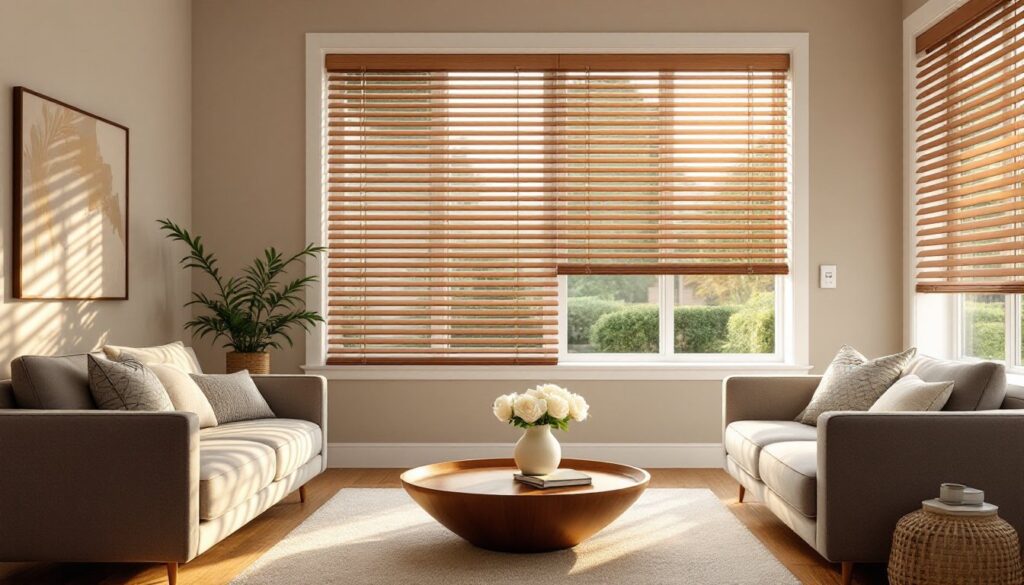
Luxury blinds don’t just cover windows, they redefine a living room’s ambiance, privacy control, and overall design impact. While budget options serve a purpose, high-end window treatments deliver superior light management, materials that age gracefully, and integrated technology that simplifies daily life. This guide walks through the materials, styles, and installation considerations that separate showroom-worthy living rooms from basic setups. Whether the goal is automated shades that respond to voice commands or handcrafted wood slats that add architectural depth, the right blinds act as both functional tools and statement pieces.
Table of Contents
ToggleKey Takeaways
- Luxury blinds for living rooms offer superior light management, UV protection (up to 99%), and energy efficiency through high-quality materials like stainless steel headrails and durable slats that resist warping and sagging.
- Natural wood, bamboo, premium fabrics, and motorized systems each serve different design goals—wood adds warmth for traditional spaces, modern fabrics suit minimalist interiors, and smart motorized blinds integrate with voice-controlled home automation.
- Window orientation determines blind selection: south-facing rooms need heat-blocking cellular shades or solar screens, while north-facing rooms benefit from light-maximizing sheers that reflect ambient light deeper into the space.
- Professional installation is essential for motorized systems (requiring electrical permits), windows over 8 feet wide, and angled openings, ensuring precise fit and avoiding costly remakes that can occur with incorrect measurements.
- Quality luxury blinds cost $300–$1,000+ per window installed and last 10–15 years, making proper material selection, mounting strategy, and maintenance (monthly dusting for wood, vacuuming for fabric) critical investments in home value and daily comfort.
Why Luxury Blinds Are the Ultimate Living Room Upgrade
High-quality blinds address multiple living room challenges simultaneously. They manage harsh afternoon glare without blocking natural light entirely, preserve upholstery and artwork from UV damage (premium fabrics block up to 99% of UV rays), and improve energy efficiency by adding an insulating layer at the window plane.
Construction quality matters. Luxury blinds use stainless steel or aluminum headrails instead of plastic, ensuring smooth operation after thousands of cycles. The slats or fabric panels maintain uniform spacing, no warping, sagging, or light gaps that develop in cheaper alternatives within 12-18 months.
Aesthetics aside, these treatments also impact resale value. Real estate staging professionals consistently use custom window treatments to elevate perceived home value, particularly in living spaces visible from the street. A cohesive set of well-fitted blinds signals attention to detail that buyers notice during walkthroughs.
Safety features distinguish premium products too. Cordless lift systems eliminate strangulation hazards, meeting current Consumer Product Safety Commission guidelines. Motorized options remove cords entirely, crucial for homes with young children or pets.
Top Luxury Blind Materials and Styles for Modern Living Rooms
Natural Wood and Bamboo Blinds
Real wood blinds (typically basswood or oak) bring warmth and texture that vinyl imitations can’t replicate. Slat widths range from 2 to 2.75 inches: wider slats suit rooms with tall windows and contemporary architecture, while narrower options work in traditional spaces.
Bamboo blinds offer comparable aesthetics with added sustainability credentials. The material’s natural grain variations mean no two blinds are identical, a plus for design-focused homeowners. Both wood and bamboo require kiln-drying to prevent warping in humid climates. Verify the manufacturer’s moisture content specs (should be 8-12%) before purchase.
Critical consideration: Wood blinds aren’t suitable for high-moisture environments. For living rooms with steam exposure from adjacent kitchens or bathrooms, faux wood alternatives with polymer coatings provide similar looks with better moisture resistance.
Premium Fabric Blinds: Roman and Roller Options
Roman blinds create soft horizontal folds that add architectural interest when raised. Luxury versions use lined fabrics (blackout, thermal, or sheer layers) with concealed cord mechanisms. Popular fabrics include Belgian linen, raw silk, and performance-grade polyester blends that resist fading.
Roller blinds work well in minimalist or modern spaces. High-end models feature cassette systems that fully enclose the rolled fabric when raised, protecting it from dust and maintaining clean lines. Dual-roller installations let homeowners layer sheer and blackout fabrics on the same window, sheer during the day, blackout for movie nights.
Fabric weight matters for function. Light-filtering sheers (3-5 oz per square yard) diffuse harsh light while maintaining views. Room-darkening fabrics (8-12 oz per square yard) block 95%+ of light, ideal for media rooms or street-facing windows. Many design-focused homeowners prioritize light control as a foundational element before selecting furniture placement.
Smart Motorized Blinds for Contemporary Homes
Motorized systems use low-voltage motors (typically 12V DC) mounted in the headrail. Control options include wall switches, handheld remotes, smartphone apps, or voice commands through Amazon Alexa, Google Assistant, or Apple HomeKit.
Power considerations: Battery-powered motors (rechargeable lithium-ion) eliminate wiring but require charging 2-4 times annually depending on usage. Hardwired systems need electrical planning during installation, factor this into renovation timelines if walls aren’t already open.
Integration with smart home platforms enables automation: blinds lower at sunset, rise at dawn, or adjust based on room temperature sensors. Some systems connect to weather data, closing automatically when high winds are forecast.
Motorized blinds require precise measurements. Unlike manual blinds that tolerate 1/8-inch variances, motorized headrails need exact window dimensions for proper fit and balanced weight distribution. Professional measuring is worth the service fee to avoid costly remakes.
How to Choose the Perfect Luxury Blinds for Your Living Room
Start with window orientation. South-facing living rooms need serious heat and glare control, consider cellular shades with aluminum backing or exterior-mount solar screens (these reduce heat gain by 65-75% while maintaining views). North-facing rooms rarely overheat but benefit from light-maximizing sheers or reflective white blinds that bounce ambient light deeper into the space.
Measure window depth before selecting inside or outside mount. Inside mount requires at least 2 inches of window frame depth for most blind mechanisms: less depth forces an outside mount that covers trim and wall space. Outside mounts add 2-4 inches to each window dimension visually, making windows appear larger, useful for small or awkwardly proportioned openings.
Architectural style guides material choice. Mid-century modern homes pair well with natural wood horizontals in warm tones (walnut, cherry). Farmhouse or coastal styles suit painted wood or woven bamboo. Urban lofts and contemporary luxury spaces often use matte-finish aluminum or monochromatic fabric rollers for clean, uninterrupted lines.
Consider furniture and flooring interactions. Dark wood blinds against dark hardwood floors create a heavy, cave-like effect unless balanced with light walls and textiles. White or off-white blinds provide neutral flexibility but show dust quickly, factor in maintenance willingness.
For homes with high-end architectural features, coordinate blind color with millwork rather than wall paint. Paint colors change during renovations: trim and molding typically remain constant. Matching blinds to trim creates cohesion that survives redecorating.
Budget reality check: Quality wood or motorized blinds cost $300-800 per standard window (36″ × 60″), installed. Large windows, custom shapes, or premium fabrics push costs to $1,000+ per window. Get quotes from three installers and verify warranty coverage (5-10 years for mechanisms, 2-3 years for fabric/wood).
Installation Tips and Professional vs. DIY Considerations
DIY installation works for standard rectangular windows with inside or outside mounts. Most manufacturers provide mounting brackets, screws, and instructions. Required tools include:
- Cordless drill with Phillips and drill bits
- Level (4-foot minimum for multi-window alignment)
- Tape measure (accuracy to 1/16 inch)
- Pencil for marking bracket positions
- Safety glasses (drilling into trim or drywall creates debris)
Mount brackets into solid wood (window frame or wall studs) whenever possible. Drywall anchors support light fabric blinds but won’t hold heavy wood or motorized systems reliably. Use a stud finder or probe with a finish nail to locate framing.
Critical measuring: Measure width at the top, middle, and bottom of each window. Use the narrowest measurement for inside mounts to prevent binding. For outside mounts, add 3-4 inches to width and 2-3 inches to height for adequate light blockage and visual balance.
When to hire a professional:
- Windows over 8 feet wide (blinds become unwieldy and require specialized brackets)
- Motorized systems with hardwiring (requires electrical permit in most jurisdictions: improper low-voltage wiring creates fire risk)
- Angled or arched windows (custom cuts and mounting angles exceed typical DIY skill)
- Exterior-mount solar shades on upper stories (ladder work at height)
Professional installers guarantee fit and provide templates before manufacturing. They also handle returns and adjustments, significant time savings when dealing with custom orders that take 4-6 weeks to produce.
Many of the window treatment techniques seen in upscale residential photography rely on professional installation to achieve seamless, shadow-free operation. If the living room serves as a primary entertaining space, installation quality affects daily function and long-term satisfaction.
Post-installation, test full range of motion before the installer leaves. Verify blinds raise and lower smoothly without catching, slats rotate fully in both directions, and motorized systems respond to all programmed controls. Address issues immediately, callbacks within the first week are typically no-charge: later service calls may incur fees.
Care varies by material. Dust wood blinds monthly with microfiber cloths: avoid water, which raises grain and damages finish. Vacuum fabric blinds with brush attachments. Motorized mechanisms need no maintenance beyond occasional battery charging, but keep user manuals and remote controls in accessible locations for future troubleshooting. Understanding the finer details of quality window treatments helps homeowners maximize their investment over the blinds’ 10-15 year lifespan.